ChevyParts
My Garage
My Account
Cart
OEM Hummer Lateral Link
Lateral Arm- Select Vehicle by Model
- Select Vehicle by VIN
Select Vehicle by Model
orMake
Model
Year
Select Vehicle by VIN
For the most accurate results, select vehicle by your VIN (Vehicle Identification Number).
1 Lateral Link found
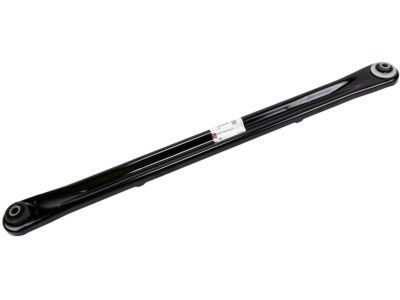
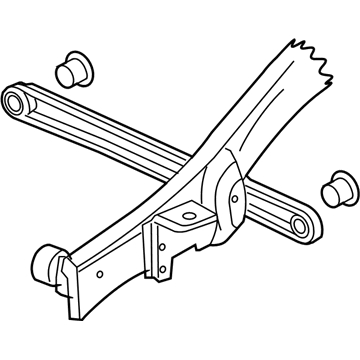
Hummer Track Bar, Rear Part Number: 22902203
$44.96 MSRP: $77.21You Save: $32.25 (42%)Ships in 1-2 Business DaysProduct Specifications- Other Name: Link, Rear Axle Control Arm; Suspension Track Bar; Lateral Link; Lateral Arm; Insulator; Rod, Rear Axle Tie
- Position: Rear
- Replaces: 15039398, 22863710
Hummer Lateral Link
Choose OEM Lateral Link, you're making the optimal decision for superior quality and perfect performance. You can feel confident because each component goes through stringent quality checks. Every part is carefully built to comply with Hummer's factory specifications. You'll enjoy a smooth, worry-free installation that fits just right. At ChevyPartsGiant.com, you'll find it easy to get top-quality OEM Hummer Lateral Link. You can shop at highly competitive prices and protect your budget. All our genuine Hummer parts include a dependable manufacturer's warranty. You'll also appreciate our straightforward return policy and swift delivery services for extra convenience.
Hummer Lateral Link enhances stability by fixing each of the rear wheels to the frame to ensure that the truck stays on a straight path on the challenging path. Hummer made a name in the 1990s with the body of a military bear that shrugs everything against the rock, mud, and deep ruts, and its high ground clearance, four-wheel drive all the time, and robust torque allowed their drivers to scale mountains or cross streams in an easy manner. The interior of a Hummer is dominating; the wide windows show obstacles, and plain terrain buttons change between sand and snow in a few seconds, continuing the fun of adventure. The loud design is attention-grabbing, but a Hummer is not about image; it is all about performance that combines fierce power with easy dashboard displays that indicate essential off-road information. A Lateral Link is a very tough suspension arm that attaches the hub to the chassis, eliminating any sideways wiggle to ensure tires are in the right camber and toe during bumps. A new Lateral Link installation would be commenced by parking on flat terrain, chocking wheels, and pulling up the corner to take off the tire. Suspend by a stand, unbolt the old Lateral Link at the knuckle and the subframe, and then align the new part to the length of the original one. Install Lateral Link, inculcate nuts manually, set the hub up to ride height, fit hardware, replace the wheel, and torque lugs in a crisscross pattern, roll the car to seat bushings, and make a final test drive to ensure it continues to steer in a straight line.
Related Hummer Parts
 Hummer Air Suspension Compressor
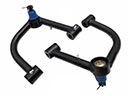 Hummer Control Arm
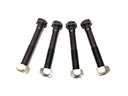 Hummer Control Arm Bolt
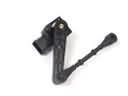 Hummer Ride Height Sensor
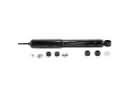 Hummer Shock Absorber
 Hummer Suspension Control Module
 Hummer Suspension Strut Rod
 Hummer Sway Bar Bracket
 Hummer Sway Bar Bushing
 Hummer Sway Bar Kit
 Hummer Sway Bar Link
 Hummer Trailing Arm