ChevyParts
My Garage
My Account
Cart
OEM Pontiac Radiator Cap
Cooling Radiator Cap- Select Vehicle by Model
- Select Vehicle by VIN
Select Vehicle by Model
orMake
Model
Year
Select Vehicle by VIN
For the most accurate results, select vehicle by your VIN (Vehicle Identification Number).
25 Radiator Caps found
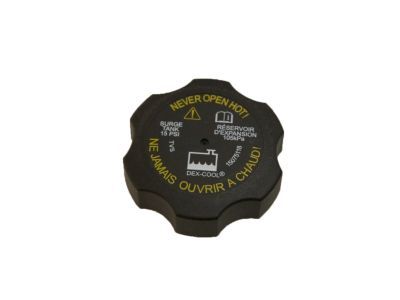
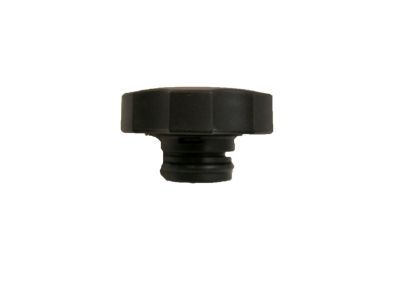
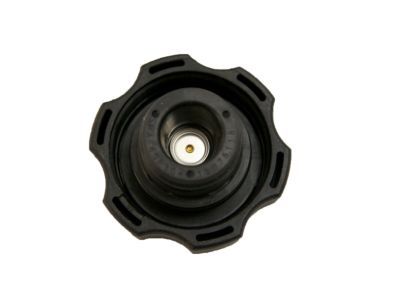
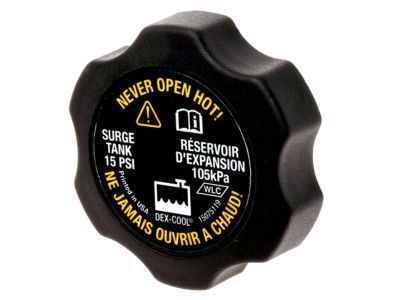

Pontiac Radiator Cap, Green Line Part Number: 15075118
$13.60 MSRP: $25.54You Save: $11.94 (47%)Ships in 1-2 Business DaysProduct Specifications- Other Name: Cap, Engine Coolant Recovery; Reservoir Cap; Recovery Tank Cap; Cap; Cap, Radiator Tank
- Replaces: 15066786, 22671020, 22652695
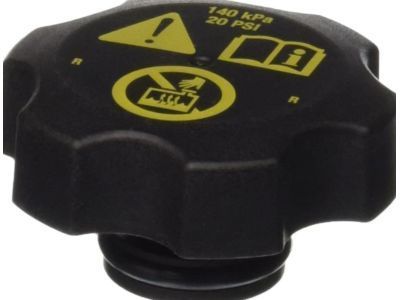
Pontiac Radiator Cap Part Number: 13502509
$11.77 MSRP: $22.11You Save: $10.34 (47%)Ships in 1-2 Business DaysProduct Specifications- Other Name: Cap, Radiator Tank; Reservoir Cap; Filler Cap; Cap; Cap, Engine Coolant Recovery
- Replaces: 92205634
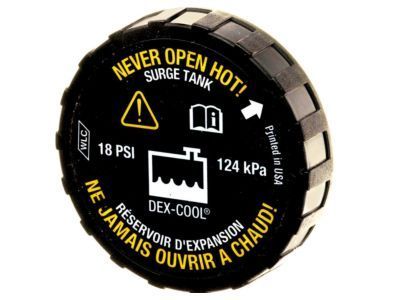

Pontiac Radiator Cap Part Number: 25730221
$13.24 MSRP: $24.86You Save: $11.62 (47%)Ships in 1-2 Business DaysProduct Specifications- Other Name: Cap Assembly-Radiator Surge Tank; Reservoir Cap; Tank Cap; Recovery Tank Cap; Cap; Cap, Engine Coolant Recovery; Cap, Radiator Tank
- Replaces: 25713159, 25723953, 25697430
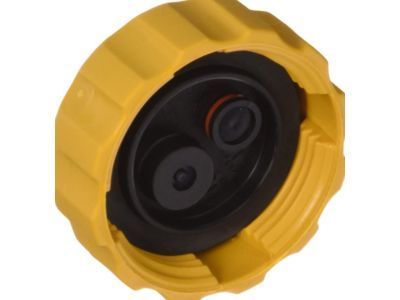
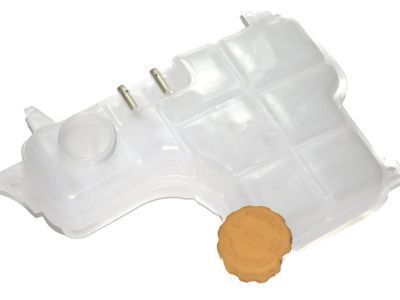
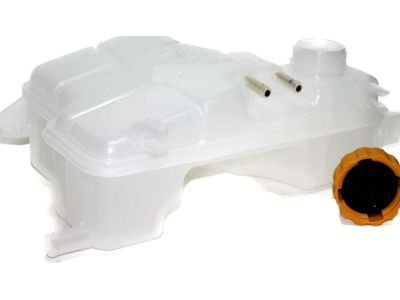
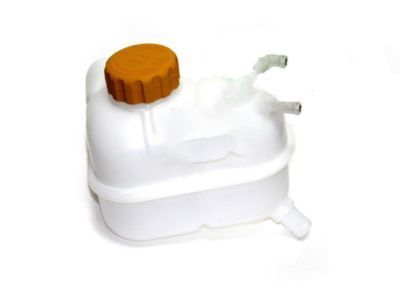

Pontiac Reservoir Cap Part Number: 94539597
$10.88 MSRP: $20.44You Save: $9.56 (47%)Ships in 1-2 Business DaysProduct Specifications- Other Name: Cap Assembly-Radiator Surge Tank; Cap; Cap, Engine Coolant Recovery
- Replaces: 96536649, 96420303
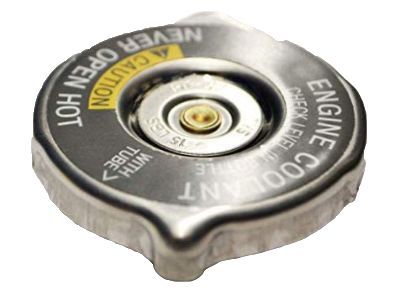

Pontiac Radiator Cap, Black Part Number: 10409635
$12.08 MSRP: $21.59You Save: $9.51 (45%)Ships in 1-2 Business DaysProduct Specifications- Other Name: Cap, Radiator Filler *Black; Filler Cap; Cap; Filler, Engine Coolant; Cap, Radiator Tank
- Replaces: 6410785, 06410785, 10283897, 15953298
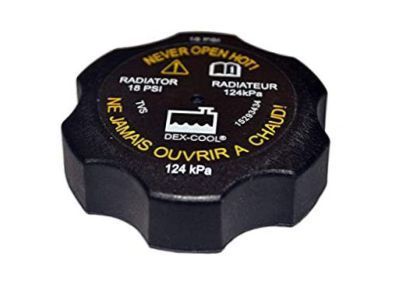
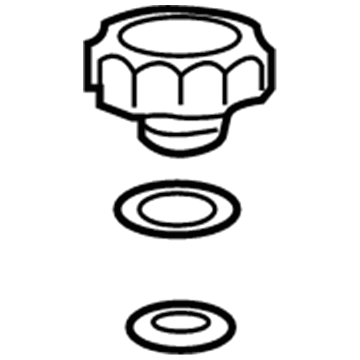
Pontiac Radiator Cap Part Number: 15293434
$12.77 MSRP: $23.11You Save: $10.34 (45%)Ships in 1-2 Business DaysProduct Specifications- Other Name: Cap, Radiator Tank; Filler Cap
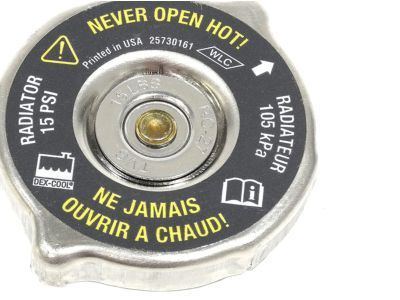
Pontiac Radiator Cap Part Number: 25730158
$10.72 MSRP: $19.13You Save: $8.41 (44%)Ships in 1-2 Business DaysProduct Specifications- Other Name: Cap, Radiator Tank; Filler Cap
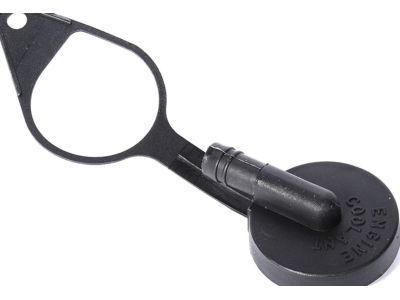

Pontiac Radiator Cap Part Number: 15989074
$12.23 MSRP: $22.82You Save: $10.59 (47%)Ships in 1-2 Business DaysProduct Specifications- Other Name: Cap, Engine Coolant Recovery; Reservoir Cap; Tank Cap; Recovery Tank Cap; Cap
- Replaces: 15695491, 14094966
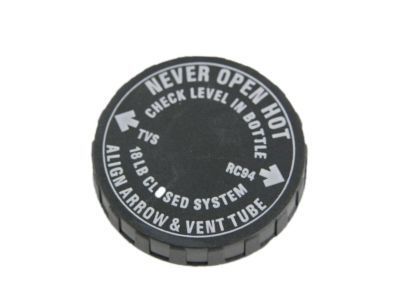
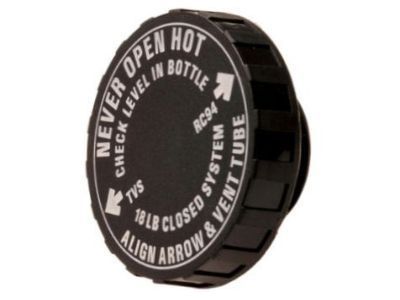
Pontiac Radiator Cap Part Number: 10316828
$9.53 MSRP: $17.01You Save: $7.48 (44%)Ships in 1-3 Business DaysProduct Specifications- Other Name: Cap, Radiator Tank
- Replaces: 10283371, 10402081
Pontiac Radiator Cap Part Number: 6410785
$12.08 MSRP: $21.59You Save: $9.51 (45%)Ships in 1-3 Business DaysProduct Specifications- Other Name: Cap Assembly-Radiator Filler (Package); Cap, Radiator Filler
- Replaced by: 10409635
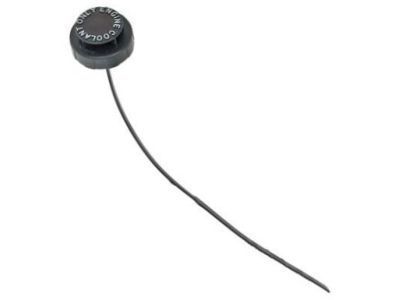
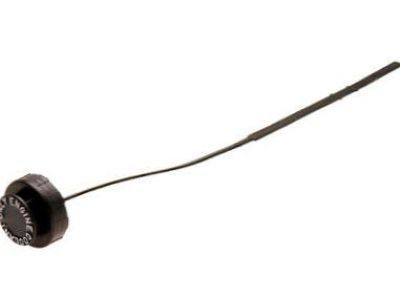

Pontiac Reservoir Cap Part Number: 10188034
Product Specifications- Other Name: Cap, Engine Coolant Recovery; Radiator Cap; Cap
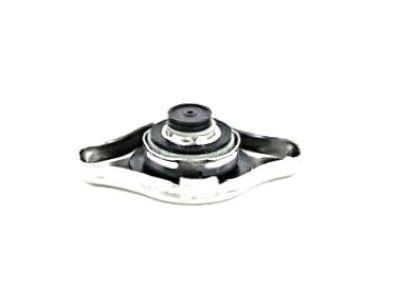
Pontiac Radiator Cap Part Number: 94853743
Product Specifications- Other Name: Cap, Radiator Tank
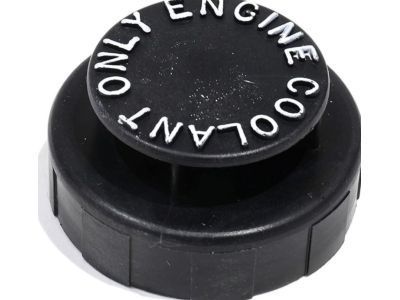

Pontiac Reservoir Cap Part Number: 15630112
Product Specifications- Other Name: Cap, Engine Coolant Recovery; Radiator Cap; Filler Cap; Reservoir Tank Cap; Recovery Tank Cap; Cap
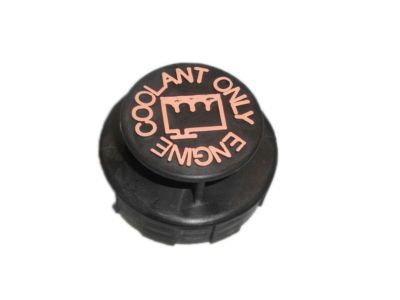
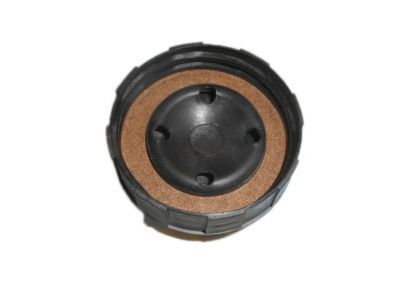

Pontiac Reservoir Cap Part Number: 25631814
Product Specifications- Other Name: Cap, Engine Coolant Recovery; Radiator Cap; Recovery Tank Cap; Cap
- Replaces: 25553770
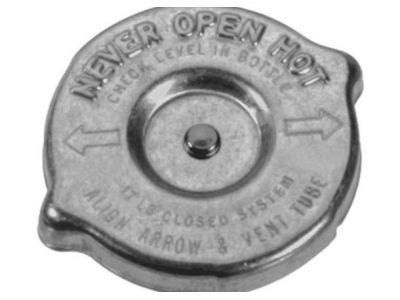
Pontiac Radiator Cap Part Number: 6410962
Product Specifications- Other Name: Radiator C; Filler Cap; Cap; Cap, Engine Coolant Recovery; Cap, Radiator Tank

Pontiac Radiator Cap Part Number: 10049770
Product Specifications- Other Name: Cap Assembly

Pontiac Reservoir Cap Part Number: 88971518
Product Specifications- Other Name: Cap, Engine Coolant Recovery; Cap

Pontiac Radiator Cap Part Number: 19204980
Product Specifications- Other Name: Cap, Radiator Tank
- Replaces: 94853503
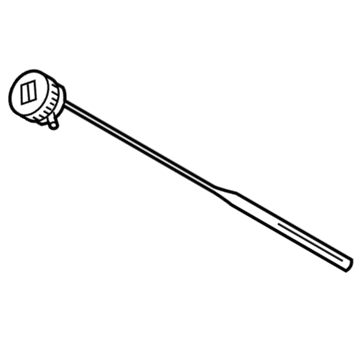
Pontiac Reservoir Cap Part Number: 92187036
Product Specifications- Other Name: Cap, Engine Coolant Recovery
- Replaces: 92176446
Pontiac Reservoir Cap Part Number: 88973497
Product Specifications- Other Name: Cap, Engine Coolant Recovery; Cap
| Page 1 of 2 |Next >
1-20 of 25 Results
Pontiac Radiator Cap
Choose OEM Radiator Cap, you're making the optimal decision for superior quality and perfect performance. You can feel confident because each component goes through stringent quality checks. Every part is carefully built to comply with Pontiac's factory specifications. You'll enjoy a smooth, worry-free installation that fits just right. At ChevyPartsGiant.com, you'll find it easy to get top-quality OEM Pontiac Radiator Cap. You can shop at highly competitive prices and protect your budget. All our genuine Pontiac parts include a dependable manufacturer's warranty. You'll also appreciate our straightforward return policy and swift delivery services for extra convenience.
The Pontiac Radiator Cap protects the cooling system by covering it in the appropriate pressure to ensure that your engine remains cool and effective. It took Pontiac years to achieve its reputation as it has produced cars that provide real road spirit, wide track stability, and aggressive stance that draws attention since 1926. The brand was a combination of performance and style with drivers oriented details to the legends such as Firebird and Grand Am, therefore owners feel to belong to it, to have confidence and willing to push the throttle. On-going exterior changes and on-board intelligence allow Pontiac enthusiasts to have fun handling it and at all times maintain the control of all curves and straightaways. Another piece, but a very important one, is the Radiator Cap that closes the radiator, pressurizes it and directs the coolant to the overflow and back again as it cools. Replacement of Pontiac Radiator Cap is simple and requires few cautious minutes. To start with, park the car on flat areas and allow the engine to cool down. Cover the old cap with a thick cloth, squash it, turn it slowly and get all the hiss of pressure out of it before taking it off. Inspect the filler neck and gasket region regarding dirt or damage and wipe them down. Set the new Radiator Cap with the tabs, and press down in order to tighten it. Connect back any hoses, then start the engine and look for leakages as the temperature increases, and then you are sure your fresh seal is fine.
Related Pontiac Parts
 Pontiac Thermostat Housing
 Pontiac Water Pump
 Pontiac Coolant Reservoir
 Pontiac Cooling Fan Resistors
 Pontiac Cooling Hose
 Pontiac Engine Oil Cooler
 Pontiac Fan Blade
 Pontiac Fan Clutch
 Pontiac Oil Cooler
 Pontiac Oil Cooler Hose
 Pontiac Transmission Oil Cooler Hose
 Pontiac Water Pump Gasket