ChevyParts
My Garage
My Account
Cart
OEM Chevrolet Avalanche Thermostat
Engine Coolant Thermostat- Select Vehicle by Model
- Select Vehicle by VIN
Select Vehicle by Model
orMake
Model
Year
Select Vehicle by VIN
For the most accurate results, select vehicle by your VIN (Vehicle Identification Number).
1 Thermostat found
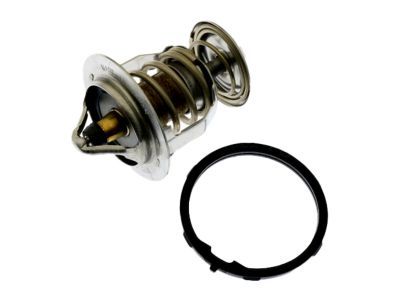
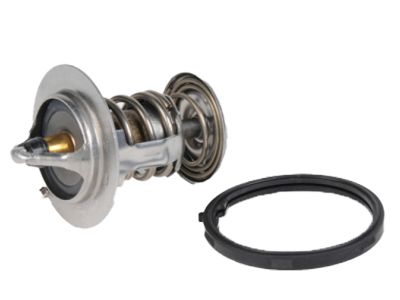
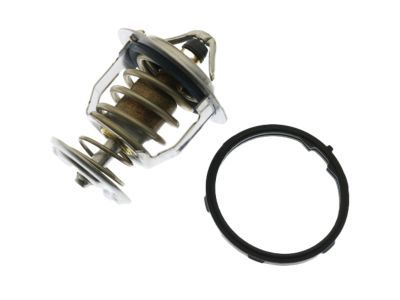

Chevrolet Avalanche Thermostat Part Number: 89018168
$36.41 MSRP: $72.25You Save: $35.84 (50%)Ships in 1-3 Business Days
Chevrolet Avalanche Thermostat
Want to cut long-term maintenance and repair costs? Choose OEM Thermostat. Those parts deliver top durability you can trust. On our site, you'll find a huge catalog of genuine Chevrolet Avalanche parts. Prices are unbeatable, so you can keep more in your pocket. Every OEM Chevrolet Avalanche Thermostat includes a manufacturer's warranty. You can also get an easy return policy that keeps buying risk free. Fast delivery, get your car on the road quickly. It's simple to search, compare, and order. Stop guessing about quality or fit. Order today and save with parts that last.
Chevrolet Avalanche Thermostat is the core of the cooling system in the opulent pick up, yet it is important to remember what made the Chevrolet Avalanche so unique before glancing at that miniature component. The Chevrolet Avalanche is a mixture of both SUV and truck with spacey seating, a clever midgate that allows space to be turned into cargo space, forceful independent suspension and powerful V8 power with a capability of switching off the cylinders when cruising. The owners love the fact that Chevrolet centralized much of the parts applied in its truck line and therefore the Avalanche is easier to maintain and more dependable, the long 130 inch wheelbase provides sure highway manners and towing confidence. What a Chevrolet Avalanche Thermostat is, now, is the question. It is a heat sensitive valve, which remains closed until the coolant has reached a predetermined temperature, and then it opens to pass to the radiator to keep the engine at the optimal temperature, improving efficiency, reducing emissions, and eliminating thermal shock. The stuck-open cabin heat reduces miles and causes overheating of the engine when open, thus replacement is important. Due to the responsiveness of the Thermostat to the change, the truck will be able to warm up in a short time in winter but not to overheat when loaded heavily during summer, and the design will be easy to replace even by the novice on the weekend. General installation does not take much time, first allow engine to cool, drain part of coolant, unbolt housing, replace old Thermostat and gasket, screw housing, re-fill coolant, and then run the engine checking on leakages and correct temperature cycling.
Related Chevrolet Avalanche Parts
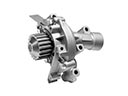 Chevrolet Avalanche Water Pump
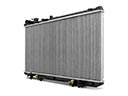 Chevrolet Avalanche Radiator
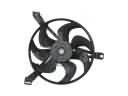 Chevrolet Avalanche A/C Condenser Fan
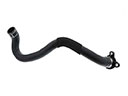 Chevrolet Avalanche Coolant Pipe
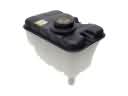 Chevrolet Avalanche Coolant Reservoir
 Chevrolet Avalanche Coolant Reservoir Cap
 Chevrolet Avalanche Cooling Hose
 Chevrolet Avalanche Fan Motor
 Chevrolet Avalanche Radiator Cap
 Chevrolet Avalanche Radiator Hose
 Chevrolet Avalanche Thermostat Gasket
 Chevrolet Avalanche Water Pump Gasket