ChevyParts
My Garage
My Account
Cart
OEM Chevrolet Cobalt Fuel Tank
Gas Tank- Select Vehicle by Model
- Select Vehicle by VIN
Select Vehicle by Model
orMake
Model
Year
Select Vehicle by VIN
For the most accurate results, select vehicle by your VIN (Vehicle Identification Number).
6 Fuel Tanks found
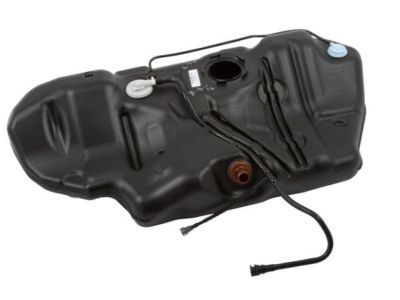
Chevrolet Cobalt Fuel Tank Part Number: 20870462
$273.54 MSRP: $408.89You Save: $135.35 (34%)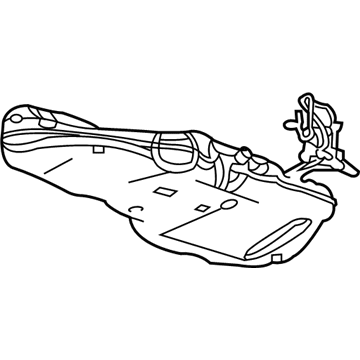
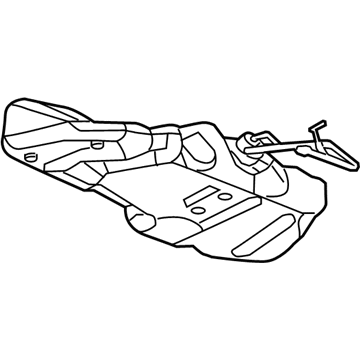
Chevrolet Cobalt Fuel Tank Part Number: 20834707
$888.81 MSRP: $1334.55You Save: $445.74 (34%)Ships in 1-3 Business Days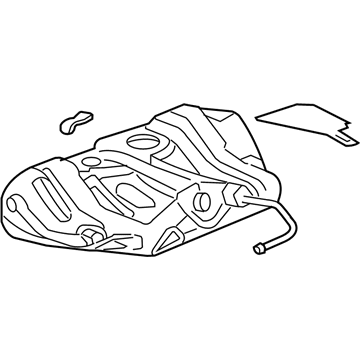
Chevrolet Cobalt Fuel Tank Part Number: 25947828
$465.69 MSRP: $699.23You Save: $233.54 (34%)Ships in 1-3 Business Days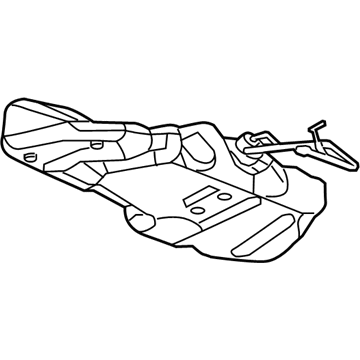
Chevrolet Cobalt Fuel Tank Part Number: 15937661
Chevrolet Cobalt Fuel Tank Part Number: 15900964
Chevrolet Cobalt Fuel Tank Part Number: 22734985
Chevrolet Cobalt Fuel Tank
Want to cut long-term maintenance and repair costs? Choose OEM Fuel Tank. Those parts deliver top durability you can trust. On our site, you'll find a huge catalog of genuine Chevrolet Cobalt parts. Prices are unbeatable, so you can keep more in your pocket. Every OEM Chevrolet Cobalt Fuel Tank includes a manufacturer's warranty. You can also get an easy return policy that keeps buying risk free. Fast delivery, get your car on the road quickly. It's simple to search, compare, and order. Stop guessing about quality or fit. Order today and save with parts that last.
Chevrolet Cobalt Fuel Tank ensures that the gasoline is safe and provides the driver with an uninterrupted supply to the enthusiastic engine, so the drivers can be confident and have a range on every journey. The second generation Chevrolet Cobalt makes young drivers love it with quick front wheel drive handling, spirited inline four engine overpower, and cramped cabin fitting friends and cargo, which makes the everyday commute fast and comfortable but the weekend outing sporty. With the balanced weight, steering that is responsive plus a five speed manual that is available, the Chevrolet Cobalt can be commended as fun and economical and at the same time, fits well in a tight school parking lot. Other than performance, the Chevrolet Cobalt is durable as the engineers chose body panels that are resistant to corrosion and the use of simple and easy to follow mechanical designs that make it easier to service. The Fuel Tank, located under the back floor, is where the life blood of this compact is found, it shields the product against road debris, supplies the high pressure pump, and it collaborates with the EVAP system to capture vapors and guard the environment. The Fuel Tank is composed of welded plastic with internal baffling, which resists rust and eliminates slosh and ensures the gauge is accurate at all times, letting the driver know their remaining miles. The use of a sound Fuel Tank will also help in minimizing cabin fumes and reduce the impact of fire. Installation requires lifting the car, emptying the pressure and the old Fuel Tank, shifting the pump, the new tank, reconnecting the lines, and verifying any leaks.
Related Chevrolet Cobalt Parts
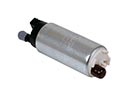 Chevrolet Cobalt Fuel Pump
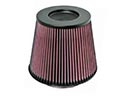 Chevrolet Cobalt Air Filter
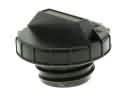 Chevrolet Cobalt Gas Cap
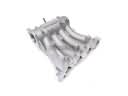 Chevrolet Cobalt Intake Manifold
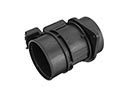 Chevrolet Cobalt Mass Air Flow Sensor
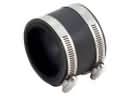 Chevrolet Cobalt Air Intake Coupling
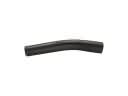 Chevrolet Cobalt Fuel Filler Hose
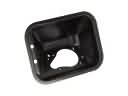 Chevrolet Cobalt Fuel Filler Housing
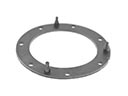 Chevrolet Cobalt Fuel Pump Gasket
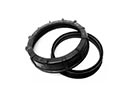 Chevrolet Cobalt Fuel Pump Seal
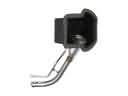 Chevrolet Cobalt Fuel Tank Filler Neck
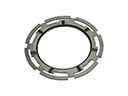 Chevrolet Cobalt Fuel Tank Lock Ring