ChevyParts
My Garage
My Account
Cart
OEM Pontiac Fuel Pump Gasket
Fuel Pump Seal- Select Vehicle by Model
- Select Vehicle by VIN
Select Vehicle by Model
orMake
Model
Year
Select Vehicle by VIN
For the most accurate results, select vehicle by your VIN (Vehicle Identification Number).
8 Fuel Pump Gaskets found
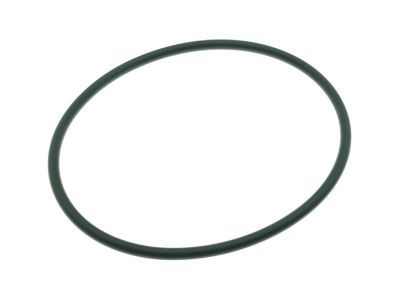
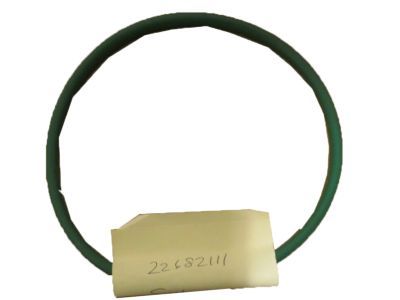


Pontiac Lock Ring Part Number: 22682111
$10.18 MSRP: $18.17You Save: $7.99 (44%)Ships in 1-3 Business DaysProduct Specifications- Other Name: Seal, Fuel Gage To Tank; Fuel Tank Lock Ring; Fuel Pump Gasket; Fuel Pump Seal; Cover Seal; Fuel Pump Assembly O-Ring and Seal; Sending Unit Lower Seal; Module Seal; Gasket, Fuel Gage To Tank.
- Replaced by: 39002198
- Replaces: 94702377
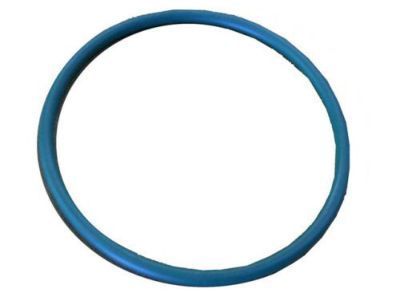

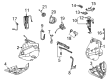
Pontiac Fuel Pump Gasket Part Number: 21008100
$16.53 MSRP: $31.03You Save: $14.50 (47%)Ships in 1-2 Business DaysProduct Specifications- Other Name: Gasket, Fuel Pump Mounting; Fuel Pump Tank Seal; Fuel Pump Seal; Sending Unit Gasket; Fuel Pump Assembly Seal; Ring, Fuel Tank Strap; Seal, Fuel Gage To Tank


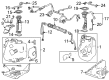
Pontiac Fuel Pump Seal, Driver Side Part Number: 15776433
$13.96 MSRP: $26.22You Save: $12.26 (47%)Ships in 1-2 Business DaysProduct Specifications- Other Name: Gasket, Fuel Pump Mounting; Fuel Pump Gasket; Fuel Pump Assembly Seal; Fuel Sender Unit Seal; Sending Unit Seal; Seal, Fuel Pump Mounting; Seal, Fuel Gage To Tank
- Position: Driver Side
- Replaced by: 13562738

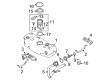
Pontiac Lower Seal Part Number: 96554008
$8.10 MSRP: $14.46You Save: $6.36 (44%)Ships in 1-2 Business DaysProduct Specifications- Other Name: Seal, Fuel Gage To Tank; Seal, Fuel Pump Mounting; Seal, Fuel Line; Seal, Fuel Pump

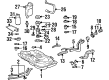
Pontiac Fuel Pump Seal Part Number: 94856989
Product Specifications- Other Name: Seal, Fuel Pump Mounting; Fuel Pump Gasket; Fuel Sender Unit Gasket

Pontiac Fuel Pump Gasket Part Number: 90232009
Product Specifications- Other Name: Gasket, Fuel Pump; Gasket, Fuel Pump Mounting
Pontiac Fuel Pump Seal Part Number: 88973767
Product Specifications- Other Name: Seal, Fuel Pump Mounting; Fuel Pump Gasket; Fuel Pump Assembly Seal

Pontiac Fuel Pump Assembly Seal Part Number: 19185046
Product Specifications- Other Name: Seal, Fuel Pump Mounting; Fuel Pump Gasket; Fuel Pump Seal
Pontiac Fuel Pump Gasket
Choose OEM Fuel Pump Gasket, you're making the optimal decision for superior quality and perfect performance. You can feel confident because each component goes through stringent quality checks. Every part is carefully built to comply with Pontiac's factory specifications. You'll enjoy a smooth, worry-free installation that fits just right. At ChevyPartsGiant.com, you'll find it easy to get top-quality OEM Pontiac Fuel Pump Gasket. You can shop at highly competitive prices and protect your budget. All our genuine Pontiac parts include a dependable manufacturer's warranty. You'll also appreciate our straightforward return policy and swift delivery services for extra convenience.
Pontiac Fuel Pump Gasket ensures that all the fuel goes in its right place by blocking the pump to the engine block providing the drivers with consistent pressure and positive performance. In 1926, Pontiac won its reputation of excitement by releasing wide track cars that were able to hug the corners and looked mean, at least in main street. There were Firebird and Grand Am models in decades that crossed the racy lines, responsive handling, and driver-centric dashboards to get a sense of control and excitement among teenagers and parents and loved the growl of the deep V8. The endless modifications in body styling, suspension, and in-car technology indicated that Pontiac never gave up on fun, stability, and style. Due to that tradition, most of the owners prefer to keep their classic Pontiac instead of changing brands. Compact Fuel Pump Gasket is a small ring of rubber or composite but treated which makes it a very important barrier that contains leaks and maintains pressure at a constant level. It is easy to replace at home provided one has specific steps. To unload pressure, first, disconnect battery and open fuel cap. Reach next the pump and wipe it clean and unbolt it even. Peel off the old Fuel Pump Gasket, wipe both surfaces of contact until polished and carefully fit new Fuel Pump Gasket in the same direction. Install pump in place, tighten nuts in a crisscross fashion, install and reclips fuel pipes and wires. Complete with battery replenishment, cycle the key to get the system up to speed, and test to see whether there is any sign of seepage.
Related Pontiac Parts
 Pontiac Intake Manifold
 Pontiac Air Filter
 Pontiac Intake Manifold Gasket
 Pontiac Air Filter Box
 Pontiac Fuel Filler Hose
 Pontiac Fuel Injector
 Pontiac Fuel Injector O-Ring
 Pontiac Fuel Pressure Sensor
 Pontiac Fuel Pump Wiring Harness
 Pontiac Fuel Tank
 Pontiac Fuel Tank Lock Ring
 Pontiac Fuel Water Separator Filter