ChevyParts
My Garage
My Account
Cart
OEM Buick Rainier Fuel Rail
Engine Fuel Rail- Select Vehicle by Model
- Select Vehicle by VIN
Select Vehicle by Model
orMake
Model
Year
Select Vehicle by VIN
For the most accurate results, select vehicle by your VIN (Vehicle Identification Number).
8 Fuel Rails found
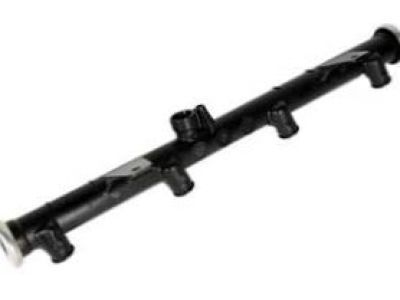
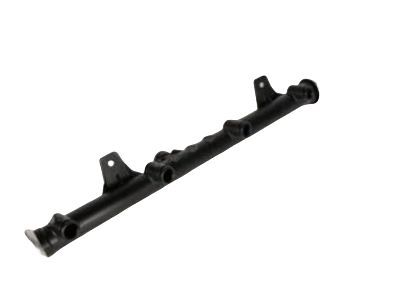
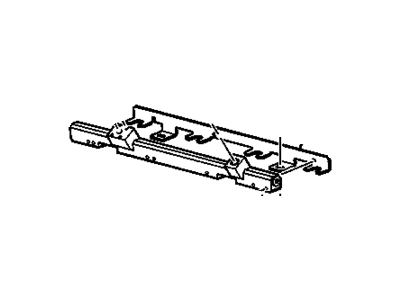
Buick Rainier Fuel Rail Part Number: 17113695
$104.95 MSRP: $327.45You Save: $222.50 (68%)Ships in 1-2 Business Days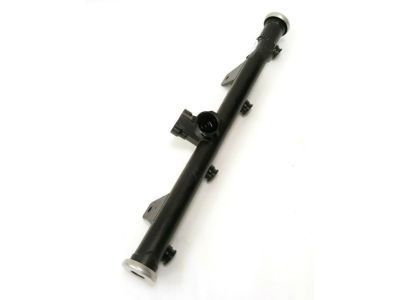
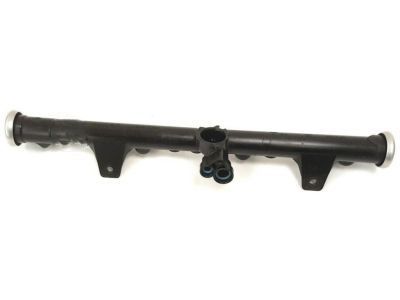
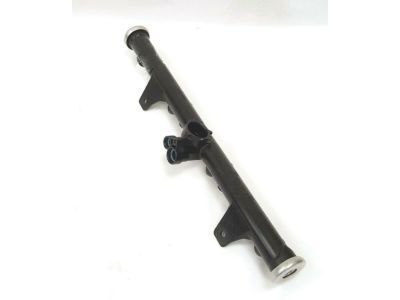
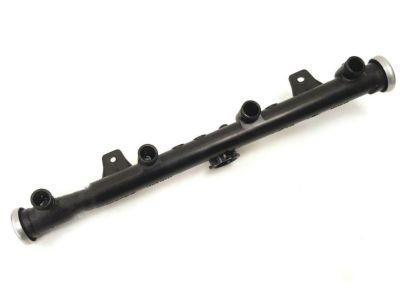
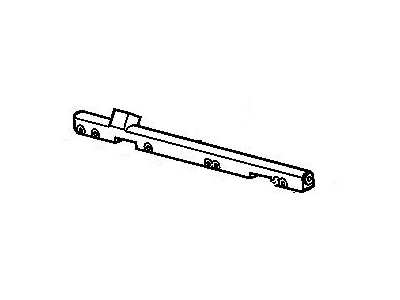
Buick Rainier Fuel Rail Part Number: 17113696
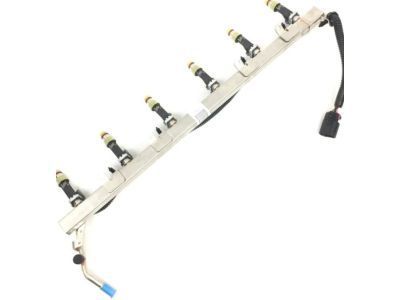
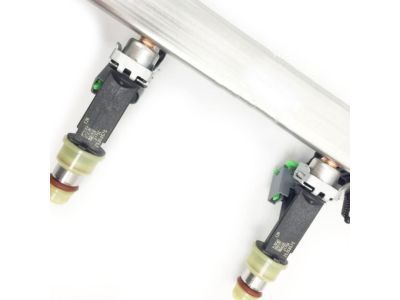
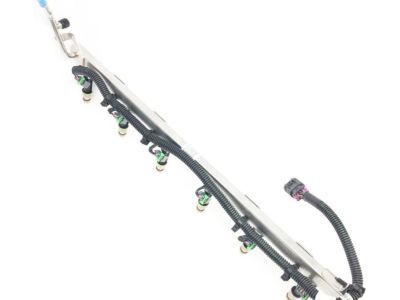
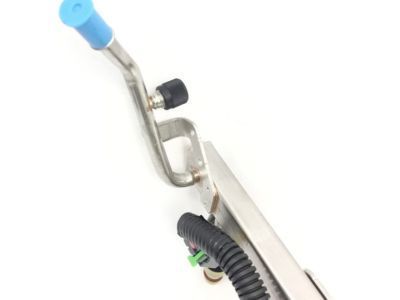
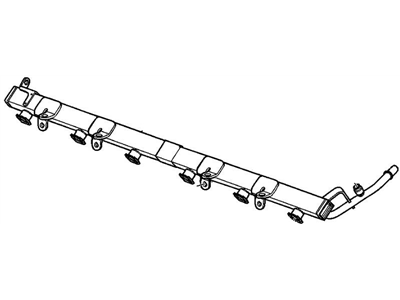
Buick Rainier Fuel Rail Part Number: 12617904

Buick Rainier Fuel Rail Part Number: 19417779
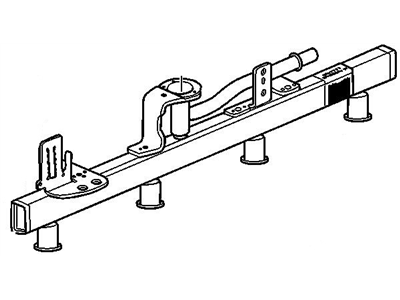
Buick Rainier Fuel Rail Part Number: 12592187
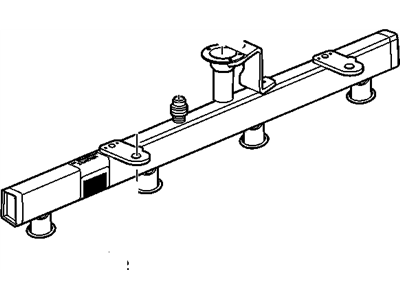
Buick Rainier Fuel Rail Part Number: 12592186
Buick Rainier Fuel Rail Part Number: 12580914
Buick Rainier Fuel Rail Part Number: 12580913
Buick Rainier Fuel Rail
Want to cut long-term maintenance and repair costs? Choose OEM Fuel Rail. Those parts deliver top durability you can trust. On our site, you'll find a huge catalog of genuine Buick Rainier parts. Prices are unbeatable, so you can keep more in your pocket. Every OEM Buick Rainier Fuel Rail includes a manufacturer's warranty. You can also get an easy return policy that keeps buying risk free. Fast delivery, get your car on the road quickly. It's simple to search, compare, and order. Stop guessing about quality or fit. Order today and save with parts that last.
The Buick Rainier Fuel Rail stands as an essential part of the Buick Rainier mid-size luxury SUV series because it enables the delivery of pressurized fuel between the fuel pump and injectors during its production period spanning 2004-2007. The Fuel Rail functions to send pressure-controlled fuel from the fuel pump to the injectors thus providing optimized performance in multiple Rainier vehicle models. Luxury SUV Buick Rainier utilizes three fuel injection systems throughout its production period including Throttle Body Injection (TBI) and Port Fuel Injection and current Gasoline Direct Injection (GDI) which depend on the Fuel Rail for sustained performance. GDI performance gains result from its capability to deliver high-pressure fuel directly into the chamber thus delivering improved fuel utilization and better fuel component evaporations. The Buick Rainier Fuel Rail allows the SUV to work with engine derivatives that range from the 4.2L Vortec I6 to the 5.3L Small-block V8 installations thus delivering outstanding speed capabilities alongside reliability. The available safety features on the Rainier include all-disc antilock brakes together with GM's StabiliTrak electronic stability system along with its reliable Fuel Rail operation. The Buick model Fuel Rail proves superior in the automotive industry by bringing together superior performance with exceptional safety and efficient components to achieve reliable driving security.
Buick Rainier Fuel Rail Parts and Q&A
- Q: How to replace the fuel rail assembly on Buick Rainier?A:The replacement process for Fuel Rail assembly starts with fuel system pressure relief following the fuel pressure relief procedure after which technicians can remove the Intake Manifold. The cleaning process requires a gm x-30a or equivalent engine cleaner which should be used by spraying on the Fuel Rail assembly and cylinder head without submerging the Fuel Rail in cleaning liquids. You should detach the Fuel Pressure Regulator vacuum line as well as the fuel feed and return pipes (1, 2) from the Fuel Rail and disconnect the Fuel Injector harness in-line connector. Use extreme caution when removing each of the Fuel Rail attaching bolts because this operation needs to avoid harming the spray tips and injector electrical connector terminals. Close all fittings with caps to protect from contamination as well as use plugging elements to block possible entry points. Extract the lower o-ring seal that fits the injector from all component pieces before you throw away these seals. Proceed with the installation if you will not replace the Fuel Rail. To separate the Fuel Rail start by removing both fuel injectors together with the Fuel Pressure Regulator and the injector harness. During Fuel Rail assembly you must first mount the Fuel Injector harness then add the Fuel Pressure Regulator and finally install the fuel injectors. A tiny amount of engine oil should lubricate new lower injector o-ring seals before placing them onto each injector spray tip end. Fasten the Fuel Rail assembly through its attaching bolts while tightening them to 10 n.m (89 lb in). Utilize the Fuel Rail as a starting point when you combine the fuel feed and return pipes, also attach the Fuel Injector electrical wires and Fuel Pressure Regulator vacuum line. You must reinstall the Intake Manifold followed by the connection of the negative Battery Cable. Turn the ignition switch on while keeping the engine turned off for two seconds before switching it off for ten seconds. Next, restart the turn on with the engine shut down. Use this time to search for fuel leaks.
Related Buick Rainier Parts
 Buick Rainier Fuel Pump
 Buick Rainier Air Filter Box
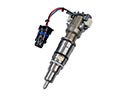 Buick Rainier Fuel Injector
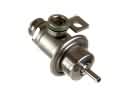 Buick Rainier Fuel Pressure Regulator
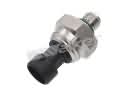 Buick Rainier Fuel Pressure Sensor
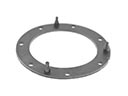 Buick Rainier Fuel Pump Gasket
 Buick Rainier Fuel Pump Seal
 Buick Rainier Fuel Tank
 Buick Rainier Gas Cap
 Buick Rainier Intake Manifold
 Buick Rainier Mass Air Flow Sensor
 Buick Rainier Throttle Body