ChevyParts
My Garage
My Account
Cart
OEM Pontiac Grand Am Thermostat
Engine Coolant Thermostat- Select Vehicle by Model
- Select Vehicle by VIN
Select Vehicle by Model
orMake
Model
Year
Select Vehicle by VIN
For the most accurate results, select vehicle by your VIN (Vehicle Identification Number).
11 Thermostats found
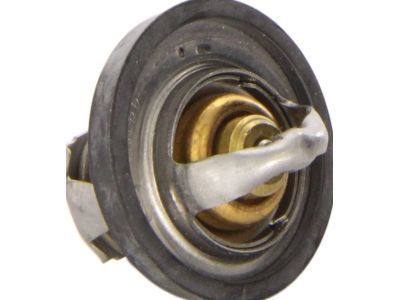
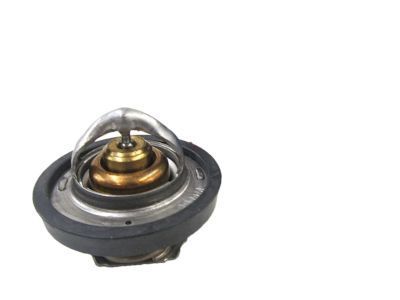

Pontiac Grand Am Thermostat Unit Part Number: 24505924
$24.47 MSRP: $48.56You Save: $24.09 (50%)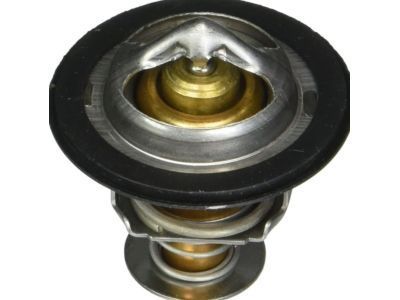
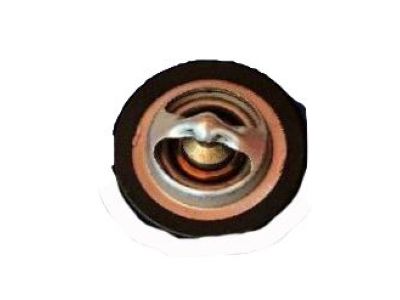
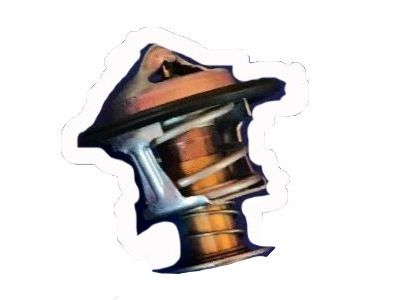
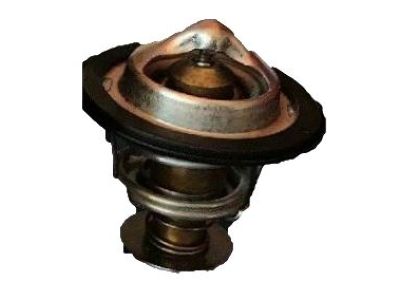

Pontiac Grand Am Thermostat Part Number: 24507563
$20.53 MSRP: $40.74You Save: $20.21 (50%)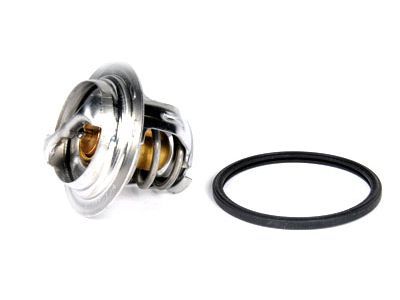
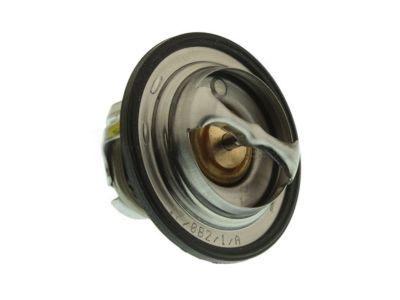
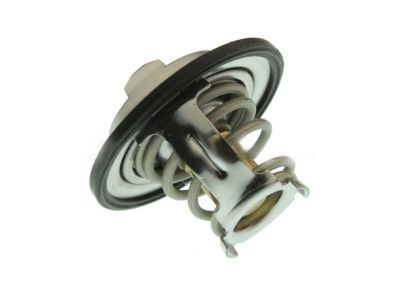
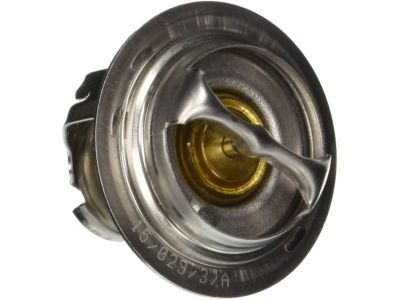
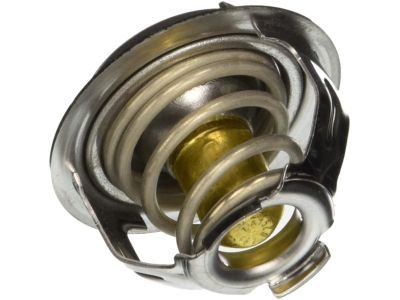
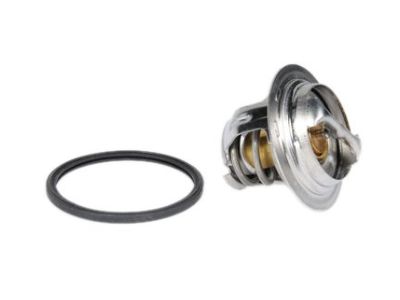

Pontiac Grand Am Thermostat, Green Line Part Number: 12622410
$69.04 MSRP: $153.83You Save: $84.79 (56%)Ships in 1-2 Business Days
Pontiac Grand Am Thermostat Part Number: 3059793
$9.76 MSRP: $17.42You Save: $7.66 (44%)
Pontiac Grand Am Thermostat Part Number: 3037747
$18.12 MSRP: $34.02You Save: $15.90 (47%)Ships in 1 Business Day
Pontiac Grand Am Thermostat Part Number: 10101864
$2.04 MSRP: $18.11You Save: $16.07 (89%)Ships in 1-2 Business Days
Pontiac Grand Am Thermostat Part Number: 24577288
$13.89 MSRP: $25.92You Save: $12.03 (47%)Pontiac Grand Am Thermostat Part Number: 22538325
Pontiac Grand Am Thermostat Part Number: 22545290
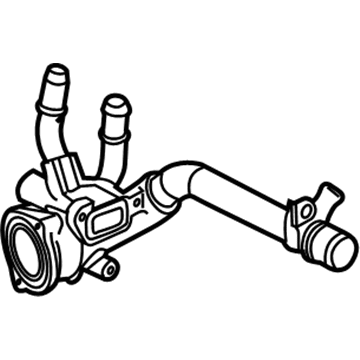
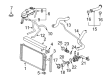
Pontiac Grand Am Thermostat Housing Part Number: 12584901

Pontiac Grand Am Thermostat Housing Part Number: 10116251
Pontiac Grand Am Thermostat
Want to cut long-term maintenance and repair costs? Choose OEM Thermostat. Those parts deliver top durability you can trust. On our site, you'll find a huge catalog of genuine Pontiac Grand Am parts. Prices are unbeatable, so you can keep more in your pocket. Every OEM Pontiac Grand Am Thermostat includes a manufacturer's warranty. You can also get an easy return policy that keeps buying risk free. Fast delivery, get your car on the road quickly. It's simple to search, compare, and order. Stop guessing about quality or fit. Order today and save with parts that last.
Pontiac Grand Am Thermostat provides the drivers of the sporty midsize car with confidence that the engine heat will remain under control as they savour the numerous advantages of driving the car. The Pontiac Grand Am is unique in its own way as it has a sharp handling, fast moving engines that pull-in heavy city traffic and can make daily use a fun adventure with its cabin design layout that allows control to be easily accessed. The Pontiac engineering team has updated the style and added smoother gearboxes to the automatic gears in order to make the Grand Am feel quick and responsive over the years, but fuel friendly. The Grand Am has been hailed by even the cost-conscious users as having parts that are affordable and readily available to ensure that Pontiac remains on the road. The Thermostat is fitted at the core of the cooling system, pitting engine against radiator and it functions like a smart-valve by closing when the engine is warm and then opening when the coolant gets to the right temperature to ensure metal components are not exposed and the fuel is not wasted. This is a specific control that ensures that the engine is clean and meets the emissions standard. Since the Thermostat switches every time one drives it, a unit that has become tired may lead to slow warm-up or overheating, and therefore, changing it is a common maintenance procedure on a Grand Am. An authentic Pontiac replacement Thermostat fits well and eliminates future inconveniences. Installation steps require the engine to be cooled down, the leftover coolant is drained, the housing is removed, the new Thermostat and gasket are inserted, the parts are reassembled, the fluid is poured in, and any leaks are checked.
Related Pontiac Grand Am Parts
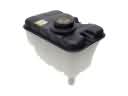 Pontiac Grand Am Coolant Reservoir
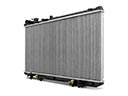 Pontiac Grand Am Radiator
 Pontiac Grand Am Radiator Cap
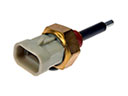 Pontiac Grand Am Coolant Level Sensor
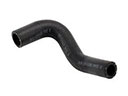 Pontiac Grand Am Cooling Hose
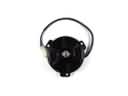 Pontiac Grand Am Fan Motor
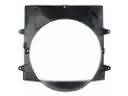 Pontiac Grand Am Fan Shroud
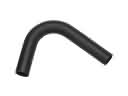 Pontiac Grand Am Radiator Hose
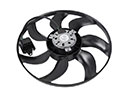 Pontiac Grand Am Radiator fan
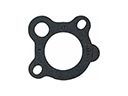 Pontiac Grand Am Thermostat Gasket
 Pontiac Grand Am Water Pump Gasket
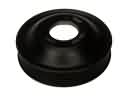 Pontiac Grand Am Water Pump Pulley