ChevyParts
My Garage
My Account
Cart
OEM Buick Crankcase Breather Hose
Engine Crankcase Breather Hose- Select Vehicle by Model
- Select Vehicle by VIN
Select Vehicle by Model
orMake
Model
Year
Select Vehicle by VIN
For the most accurate results, select vehicle by your VIN (Vehicle Identification Number).
34 Crankcase Breather Hoses found
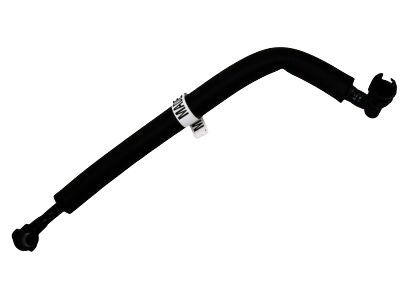
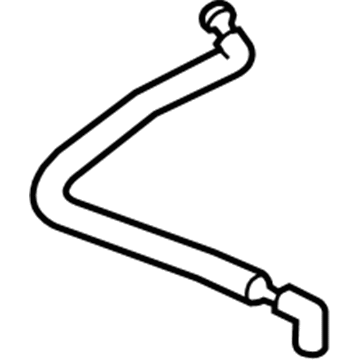
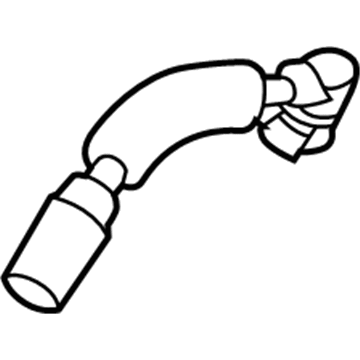
Buick PCV Tube Part Number: 12634292
$11.15 MSRP: $20.94You Save: $9.79 (47%)Ships in 1-2 Business DaysProduct Specifications- Other Name: Tube, PCV; Tube, Engine Crankcase Ventilation
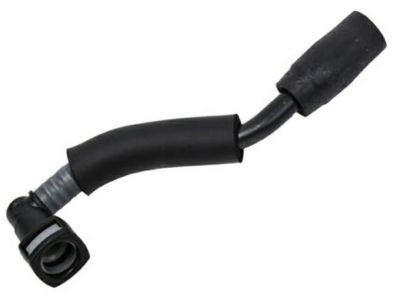
Buick PCV Tube Part Number: 12648138
$10.75 MSRP: $20.18You Save: $9.43 (47%)Ships in 1-2 Business DaysProduct Specifications- Other Name: Tube Assembly-PCV (Fresh Air); Tube, Engine Crankcase Ventilation
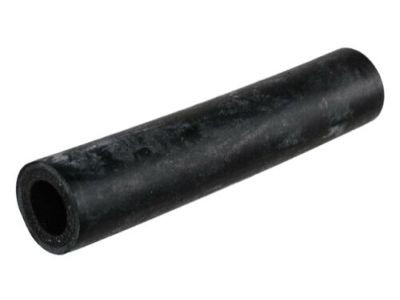

Buick PCV Hose Part Number: 12643296
$4.70 MSRP: $8.82You Save: $4.12 (47%)Ships in 1-2 Business DaysProduct Specifications- Other Name: Hose-PCV; Crankcase Breather Hose; PCV Tube; Hose, Engine Crankcase Ventilation
- Replaces: 12605456, 12598189
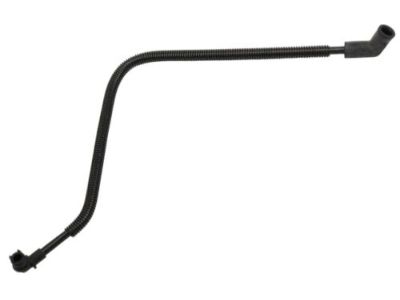
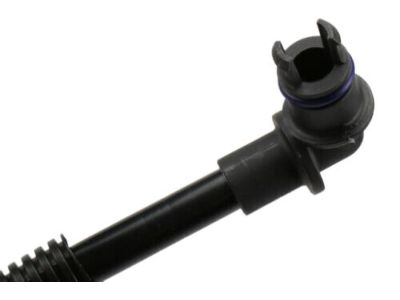
Buick PCV Tube Part Number: 12611749
$8.48 MSRP: $15.14You Save: $6.66 (44%)Ships in 1-2 Business DaysProduct Specifications- Other Name: Tube Assembly-PCV; Tube, Engine Crankcase Ventilation
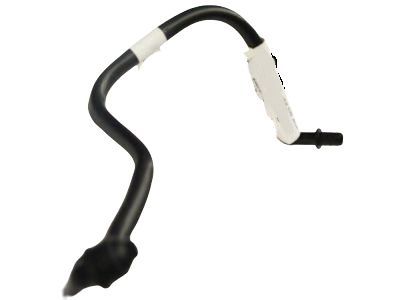
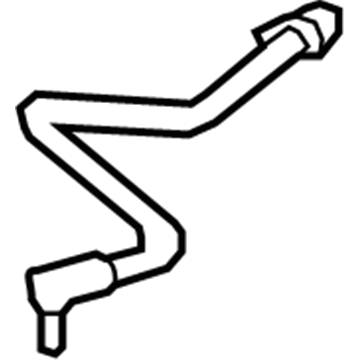
Buick PCV Tube Part Number: 12581194
$9.21 MSRP: $15.18You Save: $5.97 (40%)Ships in 1-2 Business DaysProduct Specifications- Other Name: Tube Assembly-PCV; Tube, Engine Crankcase Ventilation
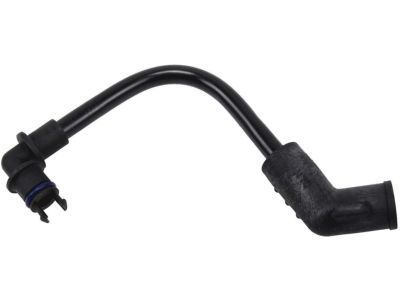
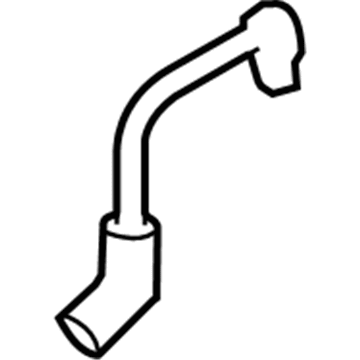
Buick PCV Tube Part Number: 12594578
$7.63 MSRP: $11.95You Save: $4.32 (37%)Ships in 1-3 Business DaysProduct Specifications- Other Name: Tube Assembly-PCV (Fresh Air); Tube, Engine Crankcase Ventilation
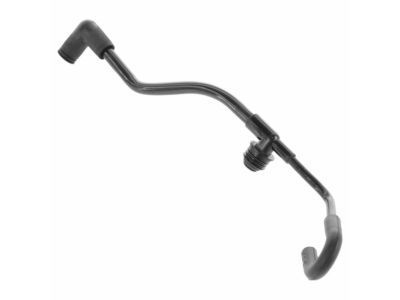
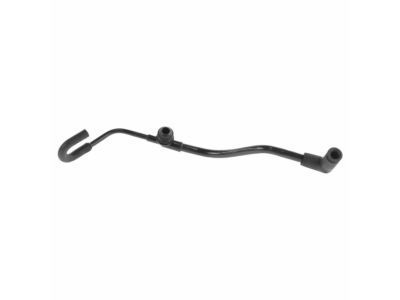
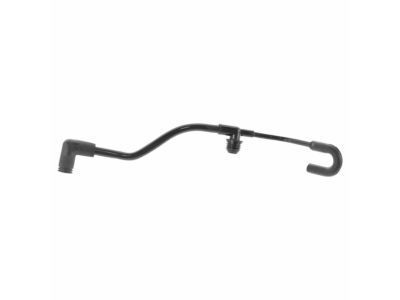
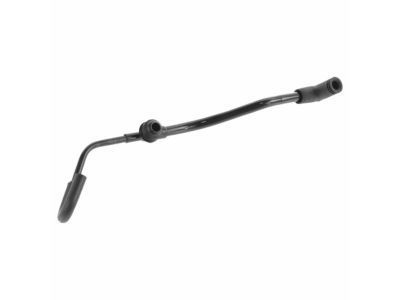

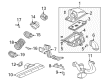
Buick PCV Tube Part Number: 24508186
$6.35 MSRP: $10.39You Save: $4.04 (39%)Ships in 1-2 Business DaysProduct Specifications- Other Name: Tube Assembly-PCV; Tube, Engine Crankcase Ventilation
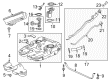
Buick Vent Hose Part Number: 84507176
$77.54 MSRP: $138.46You Save: $60.92 (44%)Ships in 1-2 Business DaysProduct Specifications- Other Name: Hose, Evaporation Emission System (Fuel Tank End); Crankcase Breather Hose; Outlet Hose
- Replaced by: 86568918
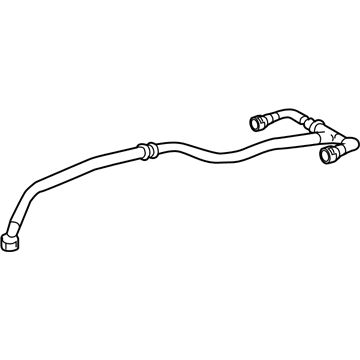
Buick PCV Tube Part Number: 25202897
$86.09 MSRP: $153.74You Save: $67.65 (44%)Ships in 1-2 Business DaysProduct Specifications- Other Name: Tube Assembly-PCV; Tube, Engine Crankcase Ventilation
- Replaces: 12674525, 25201119
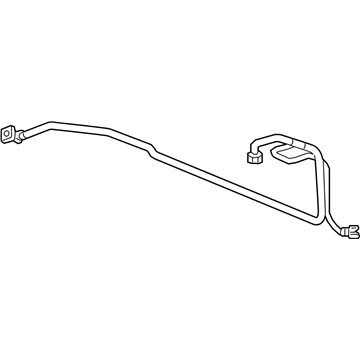
Buick Outlet Hose Part Number: 84981399
$59.88 MSRP: $106.92You Save: $47.04 (44%)Ships in 1-3 Business DaysProduct Specifications- Other Name: Hose, Evaporation Emission System (Fuel Tank End); Hose, Evaporation Emission System(Fuel Tank End)
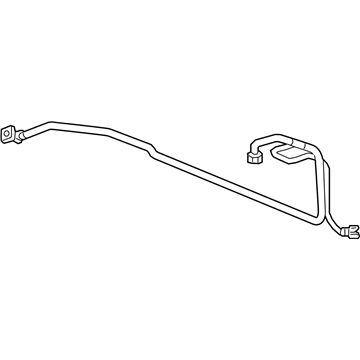
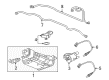
Buick Vent Hose Part Number: 84416300
$42.41 MSRP: $75.74You Save: $33.33 (45%)Ships in 1-2 Business DaysProduct Specifications- Other Name: Hose, Evaporation Emission System (Fuel Tank End); Crankcase Breather Hose; Outlet Hose; Hose, Evaporation Emission System(Fuel Tank End)
- Replaces: 23340385
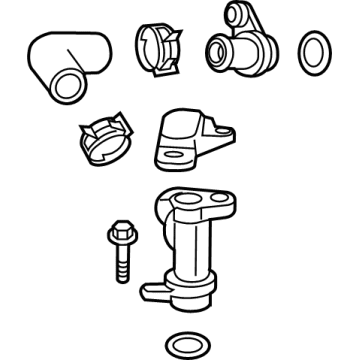
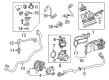
Buick PCV Hose Part Number: 55510677
$51.92 MSRP: $92.72You Save: $40.80 (44%)Ships in 1-3 Business DaysProduct Specifications- Other Name: Hose-PCV; Crankcase Breather Hose; Hose, Engine Crankcase Ventilation
- Replaced by: 12718975
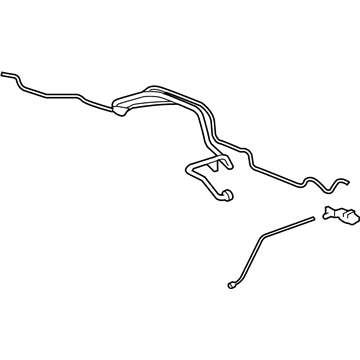
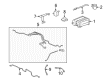
Buick Rear Pipe Part Number: 20940865
$192.48 MSRP: $345.26You Save: $152.78 (45%)Ships in 1-3 Business DaysProduct Specifications- Other Name: Hose, Evaporation Emission System (Fuel Tank End); Hose, Evaporation Emission System(Fuel Tank End)
- Replaces: 15136022, 25895335
Buick Vent Hose Part Number: 84117923
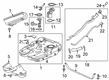
$54.82 MSRP: $111.36You Save: $56.54 (51%)Ships in 1-2 Business DaysProduct Specifications- Other Name: Hose, Evaporation Emission System (Fuel Tank End); Filter; Hose, Evaporation Emission System(Fuel Tank End)
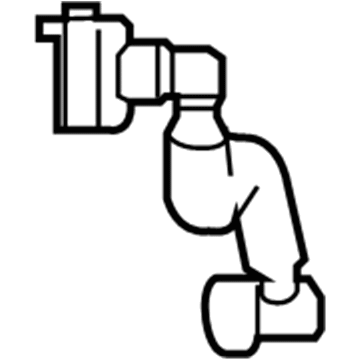
Buick PCV Tube, Driver Side Part Number: 12701623
$41.42 MSRP: $64.88You Save: $23.46 (37%)Ships in 1-3 Business DaysProduct Specifications- Other Name: Tube Assembly-PCV Foul Air; Tube, Engine Crankcase Ventilation
- Position: Driver Side
- Replaces: 12669905, 12680716
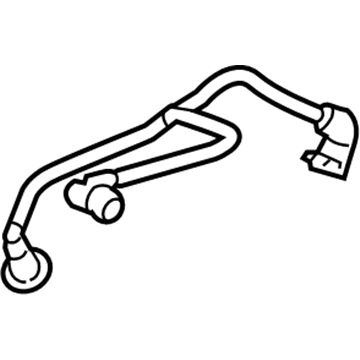
Buick PCV Tube, Passenger Side Part Number: 12670652
$24.04 MSRP: $39.60You Save: $15.56 (40%)Ships in 1-2 Business DaysProduct Specifications- Other Name: Tube Assembly-PCV; Tube, Engine Crankcase Ventilation
- Position: Passenger Side
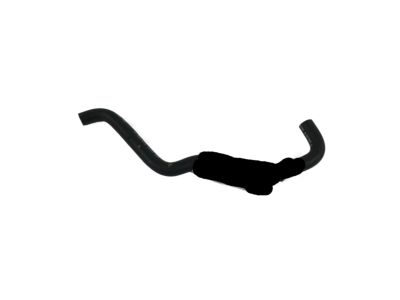
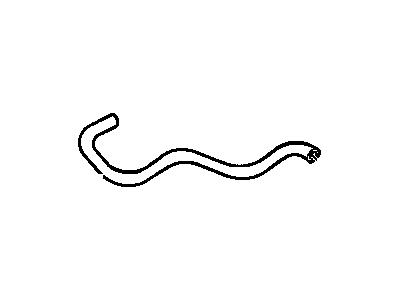
Buick Vent Hose Part Number: 24574341
Product Specifications- Other Name: Hose, Engine Crankcase; Crankcase Breather Hose
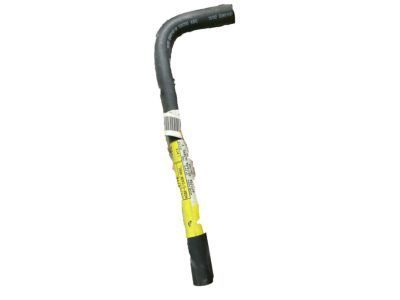

Buick Vent Hose Part Number: 22538996
Product Specifications- Other Name: Hose-Crankcase Vent; Crankcase Breather Hose; Hose, Engine Crankcase Ventilation
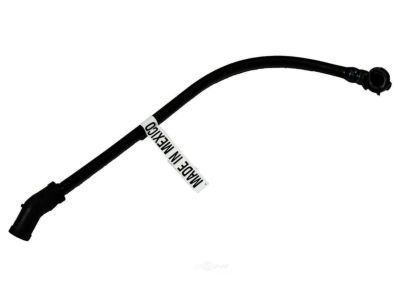
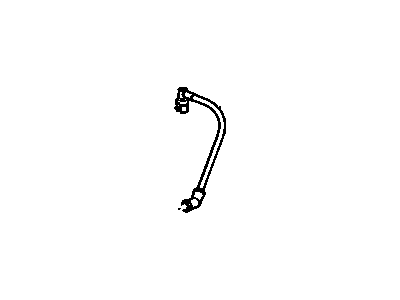
Buick PCV Valve Part Number: 12569421
Product Specifications- Other Name: Hose, Engine Crankcase Ventilation
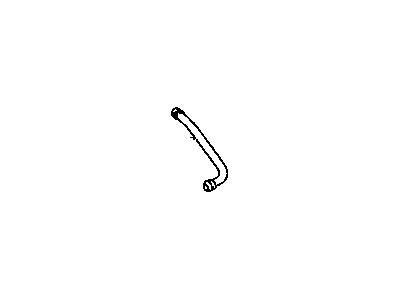
Buick Vent Tube Part Number: 25522041
Product Specifications- Other Name: Tube; Tube, Engine Crankcase Ventilation
| Page 1 of 2 |Next >
1-20 of 34 Results
Buick Crankcase Breather Hose
Choose OEM Crankcase Breather Hose, you're making the optimal decision for superior quality and perfect performance. You can feel confident because each component goes through stringent quality checks. Every part is carefully built to comply with Buick's factory specifications. You'll enjoy a smooth, worry-free installation that fits just right. At ChevyPartsGiant.com, you'll find it easy to get top-quality OEM Buick Crankcase Breather Hose. You can shop at highly competitive prices and protect your budget. All our genuine Buick parts include a dependable manufacturer's warranty. You'll also appreciate our straightforward return policy and swift delivery services for extra convenience.
Buick Crankcase Breather Hose directs the unwanted crankcase gases back to the intake to keep the engine clean and performance at par. Since 1903, Buick has been a part of the automotive history, with sedans and SUV models that ride smoothly over the roughs courtesy of tuned suspensions and a well-crafted interior that provides hush quiet motoring. The current models overlay wireless phone connectivity, driver friendly digital displays, and the silent tuning technology that rejects road noise, while an aggressive Wildcat EV concept is an indication of an electric future engulfed by signature flowing lines. The brand combines retro appeal with the new technology, and the experience it provides is comfortable and projected. That is a Crankcase Breather Hose; a molded tube that is made of rubber, it redirects blow by gases, regulates pressure, and removes oily mist. Installation should be done by first pulling up and then making sure the motor has cooled down and unplugging the battery. Follow the hose which attaches the valve cover to the intake, take pictures to keep things straight. Use pliers to loosen the clamps, twist and pull out the old line and wipe all the metal bars. Comparison of lengths, interchange any plastic fittings, and push on the new hose until it snaps in place. Install position clamps firmly, ensure no bends pinch tube, reconnect sensors, connect battery, engage engine and observe leaks.
Related Buick Parts
 Buick Gas Cap
 Buick Intake Manifold
 Buick Intake Manifold Gasket
 Buick Mass Air Flow Sensor
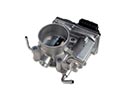 Buick Throttle Body
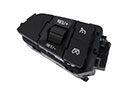 Buick Cruise Control Switch
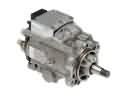 Buick Fuel Injection Pump
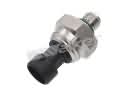 Buick Fuel Pressure Sensor
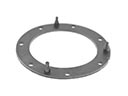 Buick Fuel Pump Gasket
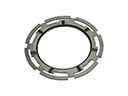 Buick Fuel Tank Lock Ring
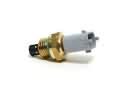 Buick Intake Manifold Temperature Sensor
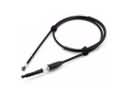 Buick Throttle Cable