ChevyParts
My Garage
My Account
Cart
OEM Cadillac Eldorado Fuel Rail
Engine Fuel Rail- Select Vehicle by Model
- Select Vehicle by VIN
Select Vehicle by Model
orMake
Model
Year
Select Vehicle by VIN
For the most accurate results, select vehicle by your VIN (Vehicle Identification Number).
5 Fuel Rails found
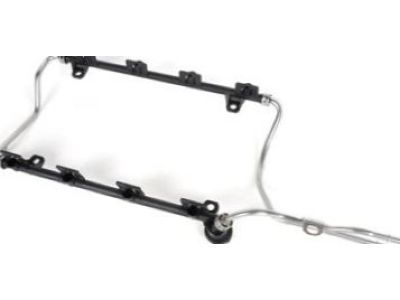
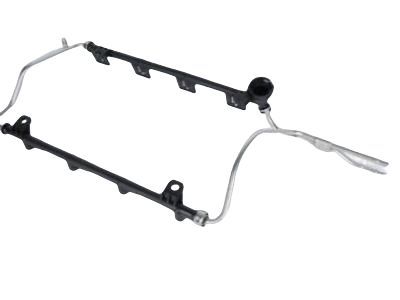
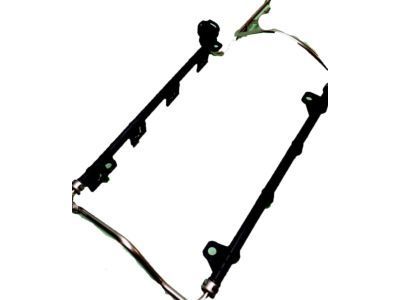
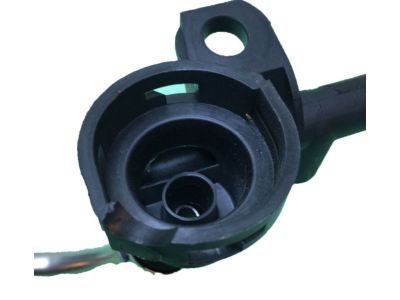
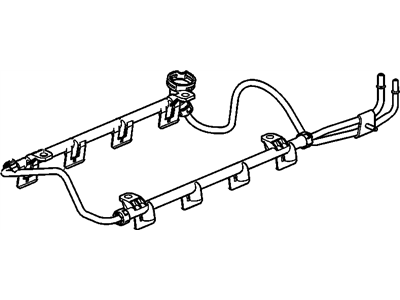
Cadillac Eldorado Fuel Rail Part Number: 12579068
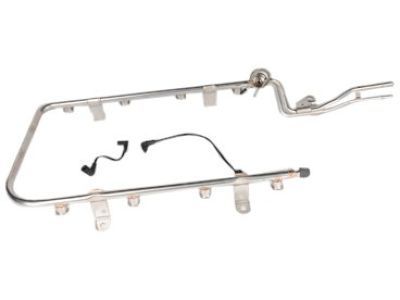
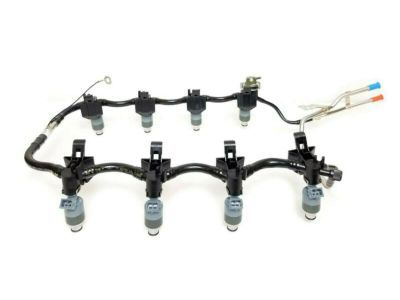
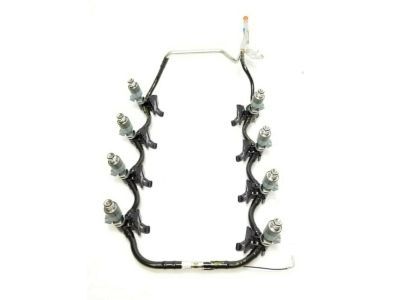
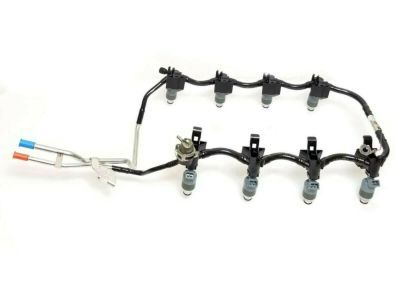
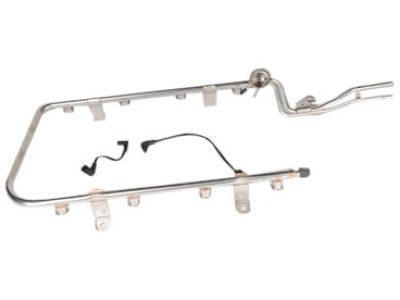
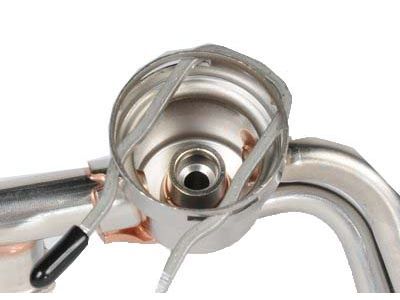
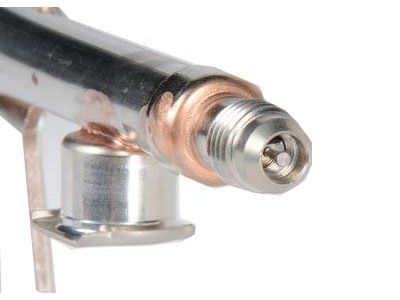
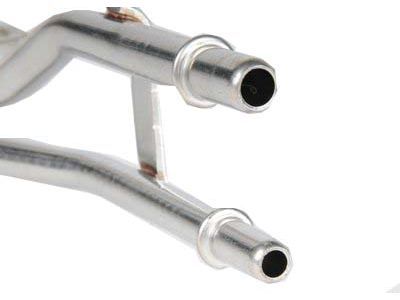
Cadillac Eldorado Fuel Rail Part Number: 12499784

Cadillac Eldorado Fuel Rail Part Number: 17113142
Cadillac Eldorado Fuel Rail Part Number: 17105956
Cadillac Eldorado Fuel Rail Part Number: 12499782
Cadillac Eldorado Fuel Rail
Want to cut long-term maintenance and repair costs? Choose OEM Fuel Rail. Those parts deliver top durability you can trust. On our site, you'll find a huge catalog of genuine Cadillac Eldorado parts. Prices are unbeatable, so you can keep more in your pocket. Every OEM Cadillac Eldorado Fuel Rail includes a manufacturer's warranty. You can also get an easy return policy that keeps buying risk free. Fast delivery, get your car on the road quickly. It's simple to search, compare, and order. Stop guessing about quality or fit. Order today and save with parts that last.
Cadillac Eldorado Fuel Rail Parts Questions & Experts Answers
- Q: What tools are required to service and repair the fuel rail on Cadillac Eldorado?A:The required tools for Fuel Rail service and repair include fuel pressure gauge (J 34730-1A), fuel line quick-connect separator tool set (J 37088-A), and Fuel Injector removal tool (J43013). As a first step you need to discharge fuel system pressure before you clean both Fuel Rail assemblies and fuel pipe connections. All quick-connect fittings connected to the Fuel Rail, Fuel Pressure Regulator vacuum hose and pcv air tube must be removed with care. After detaching the Fuel Rail end-point bracket retainer bolt and the Fuel Injector electrical connectors from each Fuel Injector the harness should be placed aside. The Fuel Injector removal tool (J43013) lifts fuel injectors from the Intake Manifold while you remove the bolts from the Fuel Rail. A safe clean location should be chosen to keep the Fuel Rail assembly while it remains separate from heat sources. To correctly install the new Fuel Injector o-rings position the black one at the top while the brown one should be at the bottom. Believe Fuel Rail input and output ports need sealing from contamination during this procedure. Do not wash it with compressed air or solvent baths. Fasten the Fuel Rail assembly to the Intake Manifold so that fuel injectors rest entirely within position before tightening bolts to 10 n.m (88 lb in). First, reconnect the Fuel Injector electrical connectors followed by the Fuel Rail endpoint bracket retainer bolt which should be tightened to 10 n.m (88 lb in). Then reestablish the pcv air tube and the Fuel Pressure Regulator vacuum hose. After securing the negative Battery Cable the Fuel Rail quick-connect fittings must be installed before checking for leaks as instructed while turning the ignition on and off. Contine by mounting the Fuel Injector sight shield then fasten the sight shield nuts to 3 n.m (27 lb in).
Related Cadillac Eldorado Parts
 Cadillac Eldorado Air Filter
 Cadillac Eldorado Air Hose
 Cadillac Eldorado Cruise Control Servo
 Cadillac Eldorado Fuel Injector
 Cadillac Eldorado Fuel Pressure Regulator
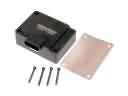 Cadillac Eldorado Fuel Pump Driver Module
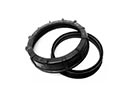 Cadillac Eldorado Fuel Pump Seal
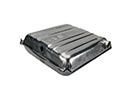 Cadillac Eldorado Fuel Tank
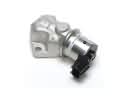 Cadillac Eldorado Idle Control Valve
 Cadillac Eldorado Throttle Body
 Cadillac Eldorado Throttle Cable
 Cadillac Eldorado Vacuum Pump