ChevyParts
My Garage
My Account
Cart
OEM Chevrolet Express 1500 Camshaft
Cam- Select Vehicle by Model
- Select Vehicle by VIN
Select Vehicle by Model
orMake
Model
Year
Select Vehicle by VIN
For the most accurate results, select vehicle by your VIN (Vehicle Identification Number).
3 Camshafts found
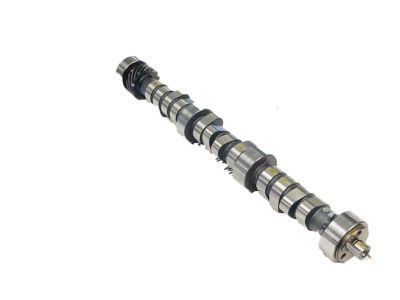
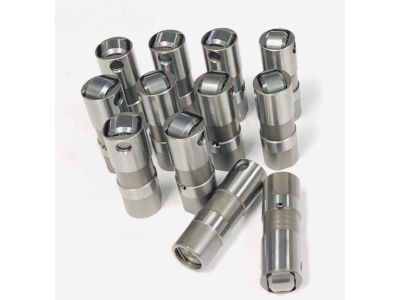
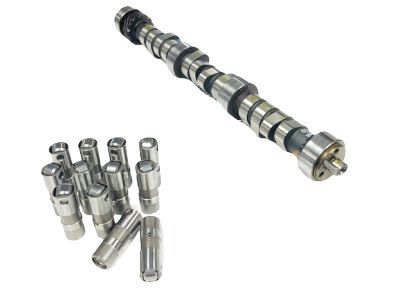
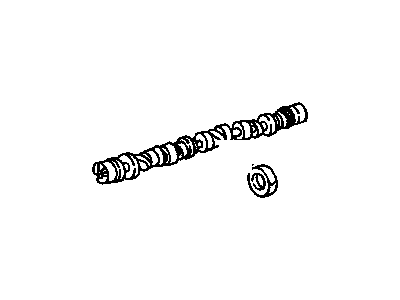
Chevrolet Express 1500 Camshaft Part Number: 10241691
$353.35 MSRP: $556.00You Save: $202.65 (37%)Ships in 1-3 Business Days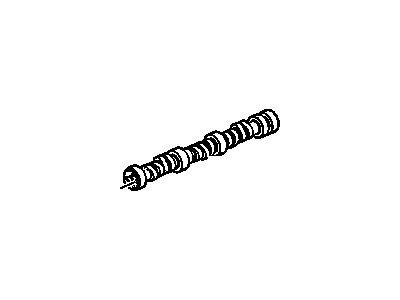
Chevrolet Express 1500 Camshaft Part Number: 12703806
$359.99 MSRP: $566.42You Save: $206.43 (37%)Ships in 1-3 Business Days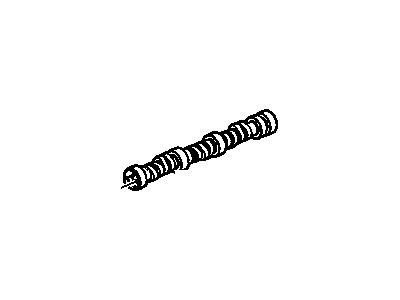
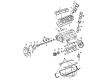
Chevrolet Express 1500 Camshaft Part Number: 10241264
Chevrolet Express 1500 Camshaft
Want to cut long-term maintenance and repair costs? Choose OEM Camshaft. Those parts deliver top durability you can trust. On our site, you'll find a huge catalog of genuine Chevrolet Express 1500 parts. Prices are unbeatable, so you can keep more in your pocket. Every OEM Chevrolet Express 1500 Camshaft includes a manufacturer's warranty. You can also get an easy return policy that keeps buying risk free. Fast delivery, get your car on the road quickly. It's simple to search, compare, and order. Stop guessing about quality or fit. Order today and save with parts that last.
Chevrolet Express 1500 Camshaft Parts Questions & Experts Answers
- Q: How to replace the camshaft on Chevrolet Express 1500?A:The Camshaft needs four procedural stages to exchange it: first remove the radiator support then the engine front cover with valve lifters and finally release the Camshaft sensor bolt and sensor. The engine should rotate for correct alignment of its Crankshaft and Camshaft sprocket timing marks while avoiding Crankshaft rotation once the Timing Chain is taken off to stop damage to piston assemblies and valves. Proceed by taking off the Camshaft sprocket then accurately place the Timing Chain before uninstalling the Camshaft retainer bolts and retainer. You should use caution when working on the Camshaft because each of its journals has equal diameters since this may result in bearing damage. Position three m8-1.25 x 100 mm (M8-1.25 x 4.0 inch) bolts into the front bolt holes of the Camshaft to use as pulling handles and extract it from the engine block before removing the bolts. Thorough cleaning and inspection should happen to the Camshaft along with its bearings. The installation procedure starts with engine oil lubrication of the Camshaft journals and bearings. After this the three m8-1.25 x 100 mm (M8-1.25 x 4.0-inch) bolts will be used to mount the Camshaft into the engine block and remove the bolts. Place the retainer plate into position with its sealing gasket directly against the engine block surface and maintain a debris-free gasket surface. Begin with tightening the Camshaft retainer bolts to 25 nm (18 ft. Lbs.), install the Camshaft sprocket and position the Timing Chain afterward. Ultimately tighten the Camshaft sprocket bolts to 35 nm (26 ft. Lbs.). If the Camshaft sensor o-ring remains undamaged you must lubricate it with clean engine oil before installing the sensor along with its bolt using 25 nm torque (18 ft lbs.) complete the installation with the valve lifters and then move on to front cover followed by radiator support.
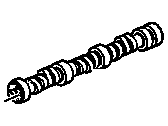
Related Chevrolet Express 1500 Parts
 Chevrolet Express 1500 Oil Filter
 Chevrolet Express 1500 Camshaft Bearing
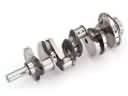 Chevrolet Express 1500 Crankshaft
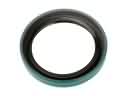 Chevrolet Express 1500 Crankshaft Seal
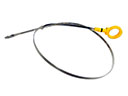 Chevrolet Express 1500 Dipstick
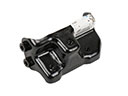 Chevrolet Express 1500 Engine Mount Bracket
 Chevrolet Express 1500 Harmonic Balancer
 Chevrolet Express 1500 Oil Pan
 Chevrolet Express 1500 Oil Pump
 Chevrolet Express 1500 Piston
 Chevrolet Express 1500 Timing Cover
 Chevrolet Express 1500 Valve Cover Grommet