ChevyParts
My Garage
My Account
Cart
OEM GMC Envoy Fuel Rail
Engine Fuel Rail- Select Vehicle by Model
- Select Vehicle by VIN
Select Vehicle by Model
orMake
Model
Year
Select Vehicle by VIN
For the most accurate results, select vehicle by your VIN (Vehicle Identification Number).
7 Fuel Rails found
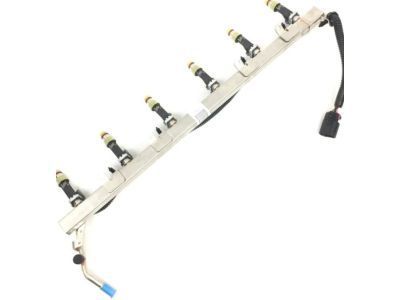
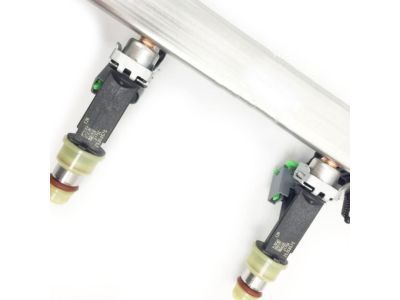
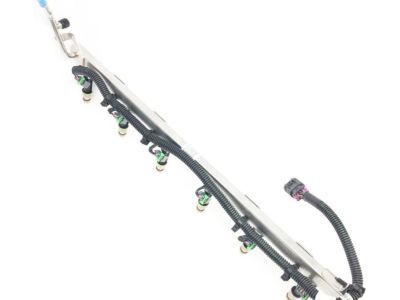
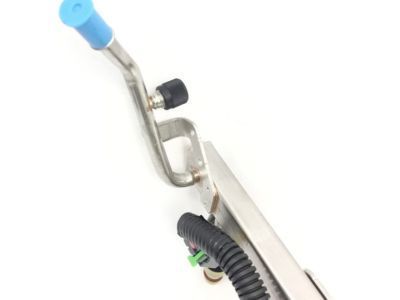
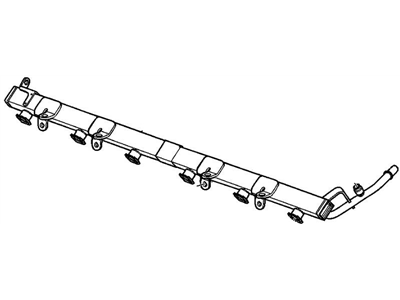
GMC Envoy Fuel Rail Part Number: 12617904

GMC Envoy Fuel Rail Part Number: 89018109
GMC Envoy Fuel Rail Part Number: 19417779
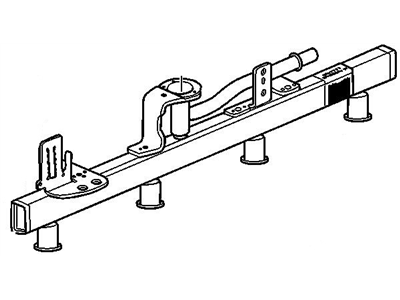
GMC Envoy Fuel Rail Part Number: 12592187
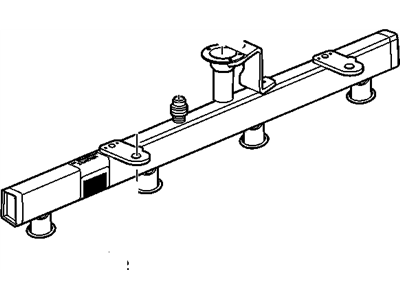
GMC Envoy Fuel Rail Part Number: 12592186
GMC Envoy Fuel Rail Part Number: 12580914
GMC Envoy Fuel Rail Part Number: 12580913
GMC Envoy Fuel Rail
Want to cut long-term maintenance and repair costs? Choose OEM Fuel Rail. Those parts deliver top durability you can trust. On our site, you'll find a huge catalog of genuine GMC Envoy parts. Prices are unbeatable, so you can keep more in your pocket. Every OEM GMC Envoy Fuel Rail includes a manufacturer's warranty. You can also get an easy return policy that keeps buying risk free. Fast delivery, get your car on the road quickly. It's simple to search, compare, and order. Stop guessing about quality or fit. Order today and save with parts that last.
The Fuel Rail of GMC Envoy operates as a vital system because it functions to send pressurized fuel through its pathway from the fuel pump to the actual injectors. The Envoy Fuel Rail operates as a fundamental system which regulates engine performance while improving fuel economy alongside emission control functions throughout first-generation as well as second-generation model series. The Fuel Rail functions with three different fuel injection systems: Throttle Body Injection (TBI), Port Fuel Injection and the sophisticated Gasoline Direct Injection (GDI). This combination gives the Envoy its reputation for reliability. The GDI system stands out by delivering fuel directly to the combustion chamber at high pressure which leads to important increases in efficiency and performance output. Operational safety of the vehicle depends on the GMC Envoy Fuel Rail along with its critical contribution to today's emission standards requirements. Affordable automobiles have this component because it demonstrates current technological innovation and stands apart in the automotive marketplace. A wide range of GMC Envoy models depends on the Fuel Rail to keep their performance character alive through efficient operation. The GMC Envoy Fuel Rail demonstrates the company's dedication to quality development together with innovation which secures its position as a dependable automotive component.
GMC Envoy Fuel Rail Parts Questions & Experts Answers
- Q: How to replace the fuel rail assembly on GMC Envoy?A:The first step to replace the Fuel Rail assembly requires releasing the fuel system pressure. The first step towards replacing the Fuel Rail involves disconnecting its feed pipe from the rail then taking out the Intake Manifold. Follow the instructions on the package when cleaning the cylinder head and Fuel Rail assembly with gm x-30a engine cleaner spray. Avoid letting Fuel Rail parts remain in liquid cleaning solvents during the process. Remove first the engine wire harness connector attached to the Fuel Injector harness in-line connector before extracting it from the rocker cover. Using caution when removing Fuel Rail attaching bolts will help safeguard both injector electrical terminals and spray tips but supporting the rail with a stabilizer helps prevent damage at the same time. Seal the fittings and insert plugging devices to stop any contamination. Disassemble the Fuel Rail assembly together with the injector lower o-ring seals from each injector before retaining the o-ring seals for disposal. The replacement process should continue after assessing that the Fuel Rail will remain in use. The Fuel Injector wire harness must be detached from the Fuel Rail while the fuel injectors must be taken off the rail. Installation of Fuel Injector harness to Fuel Rail must proceed before attaching fuel injectors to the Fuel Rail. You should lubricate new lower injector o-ring seals with clean engine oil before installing them on each injector spray tip before installing the Fuel Rail assembly. Spare 5 mm of threadlock gm p/n 12345382 (Canadian P/N 10953489) or equivalent on each Fuel Rail bolt threading before torquing to 10 n.m (89 lb in). Reattach the Fuel Injector in-line connector from the rocker cover to the engine wire harness before you install the fuel feed pipe between the Fuel Rail and connect the Fuel Injector electric cables. After installing the Intake Manifold you should connect the negative Battery Cable and check for leaks while performing these steps: turn on ignition with the engine off for 2 seconds followed by a 10-second ignition off before repeating on ignition and engine off and then checking for fuel leaks.
Related GMC Envoy Parts
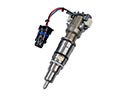 GMC Envoy Fuel Injector
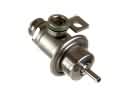 GMC Envoy Fuel Pressure Regulator
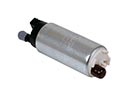 GMC Envoy Fuel Pump
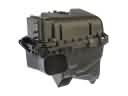 GMC Envoy Air Filter Box
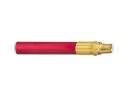 GMC Envoy Air Hose
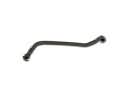 GMC Envoy Crankcase Breather Hose
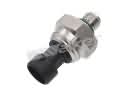 GMC Envoy Fuel Pressure Sensor
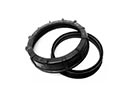 GMC Envoy Fuel Pump Seal
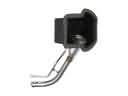 GMC Envoy Fuel Tank Filler Neck
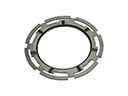 GMC Envoy Fuel Tank Lock Ring
 GMC Envoy Fuel Tank Sending Unit
 GMC Envoy Intake Manifold Gasket