ChevyParts
My Garage
My Account
Cart
OEM GMC Fuel Pump Seal
Fuel Pump Gasket- Select Vehicle by Model
- Select Vehicle by VIN
Select Vehicle by Model
orMake
Model
Year
Select Vehicle by VIN
For the most accurate results, select vehicle by your VIN (Vehicle Identification Number).
4 Fuel Pump Seals found
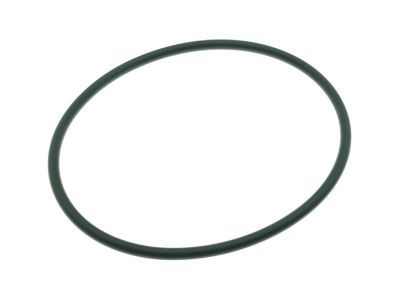
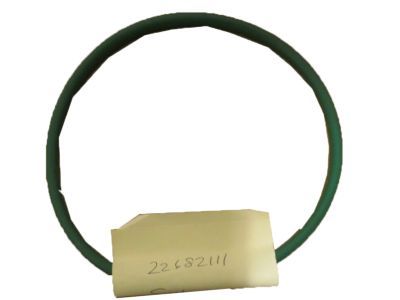

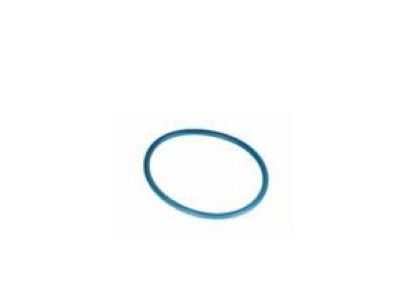
GMC Lock Ring Part Number: 22682111
$10.18 MSRP: $18.17You Save: $7.99 (44%)Ships in 1-3 Business DaysProduct Specifications- Other Name: Seal, Fuel Gage To Tank; Fuel Tank Lock Ring; Fuel Pump Gasket; Fuel Pump Seal; Cover Seal; Fuel Pump Assembly O-Ring and Seal; Sending Unit Lower Seal; Module Seal; Gasket, Fuel Gage To Tank.
- Replaced by: 39002198
- Replaces: 94702377

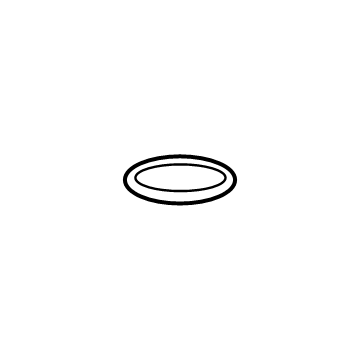
GMC Fuel Pump Seal, Driver Side Part Number: 15776433
$13.96 MSRP: $26.22You Save: $12.26 (47%)Ships in 1-2 Business DaysProduct Specifications- Other Name: Gasket, Fuel Pump Mounting; Fuel Pump Gasket; Fuel Pump Assembly Seal; Fuel Sender Unit Seal; Sending Unit Seal; Seal, Fuel Pump Mounting; Seal, Fuel Gage To Tank
- Position: Driver Side
- Replaced by: 13562738
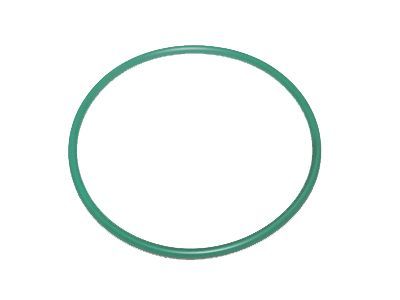
GMC Fuel Pump Seal Part Number: 94556450
$6.19 MSRP: $9.72You Save: $3.53 (37%)Ships in 1-3 Business DaysProduct Specifications- Other Name: Seal-Fuel Pump (O Ring); Fuel Pump Gasket; Fuel Pump Assembly Seal; Fuel Sender Unit Seal; Level Sensor Seal; Seal, Fuel Pump Mounting
- Replaces: 95375693

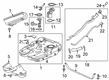
GMC Fuel Pump Seal Part Number: 84082487
$8.78 MSRP: $16.47You Save: $7.69 (47%)Ships in 1-2 Business DaysProduct Specifications- Other Name: Seal, Fuel Gage To Tank; Fuel Pump Gasket; Fuel Pump Assembly Seal; Seal, Fuel Pump Mounting
GMC Fuel Pump Seal
Choose OEM Fuel Pump Seal, you're making the optimal decision for superior quality and perfect performance. You can feel confident because each component goes through stringent quality checks. Every part is carefully built to comply with GMC's factory specifications. You'll enjoy a smooth, worry-free installation that fits just right. At ChevyPartsGiant.com, you'll find it easy to get top-quality OEM GMC Fuel Pump Seal. You can shop at highly competitive prices and protect your budget. All our genuine GMC parts include a dependable manufacturer's warranty. You'll also appreciate our straightforward return policy and swift delivery services for extra convenience.
GMC Fuel Pump Seal maintains pressure in the tank to allow all drives to be made without issues and the vehicle cuts its baggage to pickup trucks and SUVs that are built on durable frameworks and robust engines that shake off huge weights. GMC began in 1901 and today it is known as a pickup truck and SUVs company that runs on strong foundations and robust engines that shake off heavy loads. Optional surround vision and hitch guidance keep the driver awake, and professional grade suspension makes bad roads feel smooth and long trips were made silent by a quiet cabin. The clever MultiPro tailgate folds into six more positions that it can be applied in making cargo work easy and each of the models is subjected to rigorous tests prior to delivery to the showrooms keeping the reliability high. This is a small gasket or O-ring that fits in between the pump module and the tank that prevents leaks and seals in pressure which the engine requires. The home installation of a new Fuel Pump Seal is easily done. Unplug the battery, bias off the system, and break down the tank access panel. Clean off the flange, and scrape away the worn seal; and see to it that there is no grit in the groove. Apply a (fuel-safe) lubricant lightly to the new seal, and place it in place without twisting, then place the pump mod squarely on the seal. Install the lock ring, re-connect hoses and wiring, and start evenly tightening fasteners. Install the battery back in, prime the system, observe drips, and turn on the engine to make sure there is a tight fit.
Related GMC Parts
 GMC Fuel Pump
 GMC Fuel Tank
 GMC Intake Manifold
 GMC Throttle Cable
 GMC Fuel Tank Sending Unit
 GMC Daytime Running Light Relay
 GMC Fuel Filler Hose
 GMC Fuel Injector O-Ring
 GMC Fuel Pump Strainer
 GMC Fuel Tank Filler Neck
 GMC Fuel Tank Strap
 GMC Throttle Body Gasket