ChevyParts
My Garage
My Account
Cart
OEM Cadillac Catera Fuel Rail
Engine Fuel Rail- Select Vehicle by Model
- Select Vehicle by VIN
Select Vehicle by Model
orMake
Model
Year
Select Vehicle by VIN
For the most accurate results, select vehicle by your VIN (Vehicle Identification Number).
1 Fuel Rail found
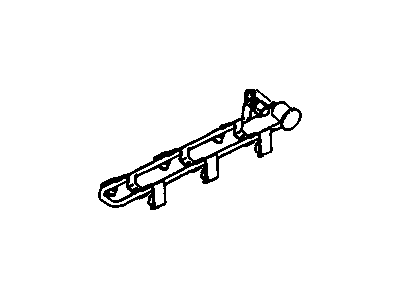
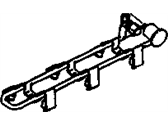
Cadillac Catera Fuel Rail Part Number: 90411881
Cadillac Catera Fuel Rail
Want to cut long-term maintenance and repair costs? Choose OEM Fuel Rail. Those parts deliver top durability you can trust. On our site, you'll find a huge catalog of genuine Cadillac Catera parts. Prices are unbeatable, so you can keep more in your pocket. Every OEM Cadillac Catera Fuel Rail includes a manufacturer's warranty. You can also get an easy return policy that keeps buying risk free. Fast delivery, get your car on the road quickly. It's simple to search, compare, and order. Stop guessing about quality or fit. Order today and save with parts that last.
Cadillac Catera Fuel Rail Parts and Q&A
- Q: How to replace the fuel injectors and fuel rail on Cadillac Catera?A:The first step to replace Fuel Injectors and Fuel Rail requires lowering fuel system pressure. Use duct tape to seal the intake ducts following upper plenum removal because any foreign object entry will lead to damaging engine components. Begin by removing the intake plenum and then separate the Fuel Rail intermediate lines from their supply-return connections before relocating them aside from the Fuel Rail. Begin by unbolt the Fuel Rail bracket around the fuel supply-return lines then detach the Fuel Injector electrical connectors followed by unfastening the Fuel Rail harness before setting it aside. First remove the atmospheric vent hose of the fuel pressure regulator then detach the Fuel Rail attaching bolts from the Intake Manifold. After removing the Fuel Rail assembly use compressed air to remove dirt from the intake casting entry area of the injectors. Before removing the Fuel Rail you should first take off the retainer elements from the fuel injectors to extract the injectors from the rail. Emery cloth cleaning of fuel pipes requires radial motion to protect the o-ring surface while male tube ends receive fresh towel wipes and the system undergoes connection inspection. Follow the guidelines for component change and discard all used o-rings from the injectors. When installing the new injector o-rings apply engine oil to them and position them onto the injectors. Use new retainer clips to connect the injectors to the Fuel Rail where their electrical connectors face directly toward the crankshaft centerline. Fasten the Fuel Rail with injectors into the Intake Manifold by tightening the Fuel Rail attaching bolts to 8 n.m (71 lb in). Continue the atmospheric vent hose of the fuel pressure regulator before reattaching Fuel Injector electrical connectors to the Fuel Rail and securing the Fuel Rail bracket bolts near the fuel supply-return lines with a torque of 8 n.m (71 lb in). You should reattach the Fuel Rail supply line and return line at 15 n.m (11 lb ft) torque while reinstalling the intake plenum followed by negative Battery Cable connection. Use a few engine cranks to check if the engine starts after which you need to verify for any fuel leaks.
Related Cadillac Catera Parts
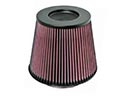 Cadillac Catera Air Filter
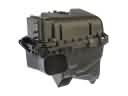 Cadillac Catera Air Filter Box
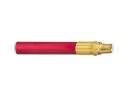 Cadillac Catera Air Hose
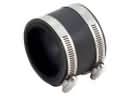 Cadillac Catera Air Intake Coupling
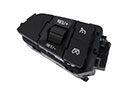 Cadillac Catera Cruise Control Switch
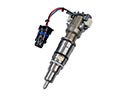 Cadillac Catera Fuel Injector
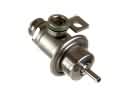 Cadillac Catera Fuel Pressure Regulator
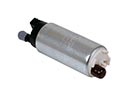 Cadillac Catera Fuel Pump
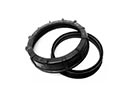 Cadillac Catera Fuel Pump Seal
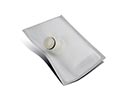 Cadillac Catera Fuel Pump Strainer
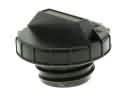 Cadillac Catera Gas Cap
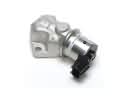 Cadillac Catera Idle Control Valve