ChevyParts
My Garage
My Account
Cart
OEM Chevrolet Silverado 3500 Classic Brake Caliper Bracket
Caliper Bracket- Select Vehicle by Model
- Select Vehicle by VIN
Select Vehicle by Model
orMake
Model
Year
Select Vehicle by VIN
For the most accurate results, select vehicle by your VIN (Vehicle Identification Number).
5 Brake Caliper Brackets found
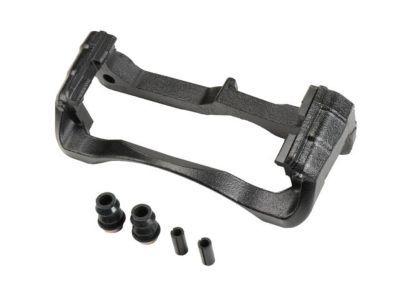
Chevrolet Silverado 3500 Classic Caliper Bracket, Passenger Side Part Number: 25997055
$127.26 MSRP: $246.98You Save: $119.72 (49%)Ships in 1-2 Business Days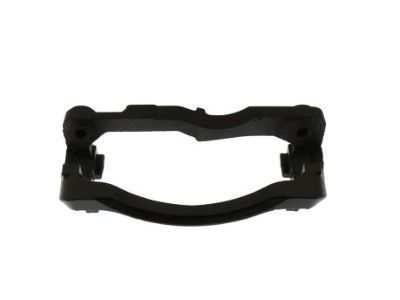
Chevrolet Silverado 3500 Classic Caliper Bracket, Driver Side Part Number: 25997053
$142.64 MSRP: $255.84You Save: $113.20 (45%)Ships in 1-2 Business Days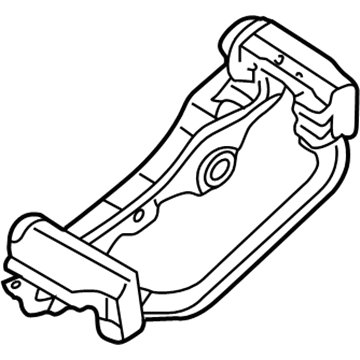
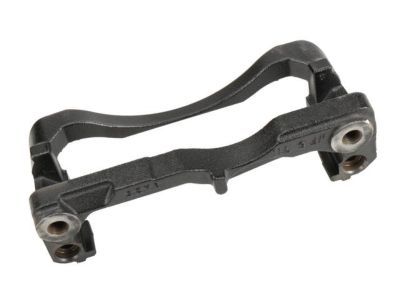
Chevrolet Silverado 3500 Classic Caliper Mount, Rear Part Number: 25997051
$93.76 MSRP: $188.25You Save: $94.49 (51%)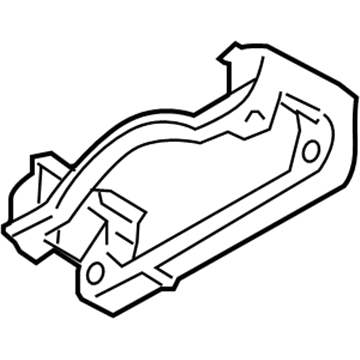
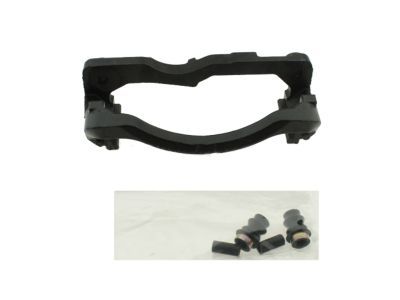
Chevrolet Silverado 3500 Classic Caliper Support, Passenger Side Part Number: 25997056
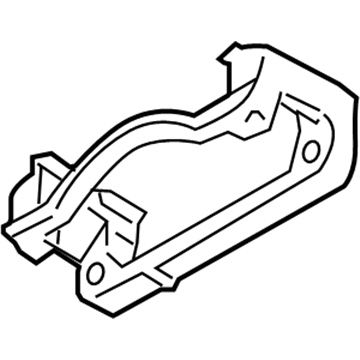
$90.62 MSRP: $141.96You Save: $51.34 (37%)Ships in 1-3 Business DaysChevrolet Silverado 3500 Classic Caliper Support, Driver Side Part Number: 25997054
$96.63 MSRP: $151.37You Save: $54.74 (37%)
Chevrolet Silverado 3500 Classic Brake Caliper Bracket
Want to cut long-term maintenance and repair costs? Choose OEM Brake Caliper Bracket. Those parts deliver top durability you can trust. On our site, you'll find a huge catalog of genuine Chevrolet Silverado 3500 Classic parts. Prices are unbeatable, so you can keep more in your pocket. Every OEM Chevrolet Silverado 3500 Classic Brake Caliper Bracket includes a manufacturer's warranty. You can also get an easy return policy that keeps buying risk free. Fast delivery, get your car on the road quickly. It's simple to search, compare, and order. Stop guessing about quality or fit. Order today and save with parts that last.
Chevrolet Silverado 3500 Classic Brake Caliper Bracket Parts Questions & Experts Answers
- Q: How to replace the front brake caliper bracket on the 25/3500 Series on Chevrolet Silverado 3500 Classic?A:You must check the fluid level inside the 25/3500 series brake master cylinder reservoir as the first step for caliper bracket replacement; empty fluid if it exceeds half the permissible limit but retain fluid at midpoint if it remains lower than half the reservoir capacity. The fluid needs replacement only when the reservoir reaches midway points between its maximum and minimum fluid marks yet exceeds that mark. First remove the wheel assembly before using two large c-clamps to compress caliper pistons through the brake caliper housing until they fully retract. After taking out the c-clamps move on to disconnect the brake caliper bolts supported by heavy mechanic's wire as you maintain the hydraulic brake flexible hose connection. First unfasten the Brake Caliper Bracket bolts alongside the Brake Pads and anti-rattle clips before removing the Brake Caliper Bracket . Wipe off all contaminants that are present on the Brake Caliper Bracket inside ends and on both mounting surfaces and threaded areas. Before tightening the Brake Caliper Bracket bolts , remove original adhesive from the bracket and clean bolt threads with denatured alcohol and apply threadlocker gm p/n 12345493 (Canadian P/N 10953488) to threads. Secure the bolts at 300 nm torque (221 ft. Lbs. Measurement).first install brake pads followed by anti-rattle clips before inserting them until they reach the rotor. Tighten all brake caliper bolts to 108 nm (80 ft. Lbs.) torque.reinstall the tire and wheel assembly once you finish your work. You must slowly press the brake pedal from engine off position to reach about two-thirds of its range then stop and do this again until the caliper pistons and pads fully seat properly. At the end you need to add clean brake fluid to reach the correct reservoir level if needed.
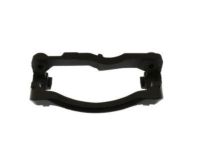
Related Chevrolet Silverado 3500 Classic Parts
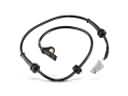 Chevrolet Silverado 3500 Classic ABS Sensor
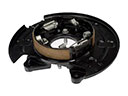 Chevrolet Silverado 3500 Classic Brake Backing Plate
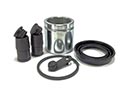 Chevrolet Silverado 3500 Classic Brake Caliper Repair Kit
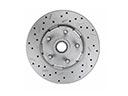 Chevrolet Silverado 3500 Classic Brake Disc
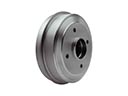 Chevrolet Silverado 3500 Classic Brake Drum
 Chevrolet Silverado 3500 Classic Brake Dust Shields
 Chevrolet Silverado 3500 Classic Brake Line
 Chevrolet Silverado 3500 Classic Brake Pad
 Chevrolet Silverado 3500 Classic Brake Shoe
 Chevrolet Silverado 3500 Classic Hydraulic Hose
 Chevrolet Silverado 3500 Classic Parking Brake Shoe
 Chevrolet Silverado 3500 Classic Wheel Speed Sensor