ChevyParts
My Garage
My Account
Cart
OEM GMC Automatic Transmission Oil Cooler Line
AT Oil Cooler Hose- Select Vehicle by Model
- Select Vehicle by VIN
Select Vehicle by Model
orMake
Model
Year
Select Vehicle by VIN
For the most accurate results, select vehicle by your VIN (Vehicle Identification Number).
104 Automatic Transmission Oil Cooler Lines found
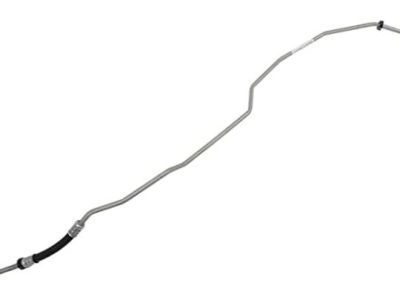
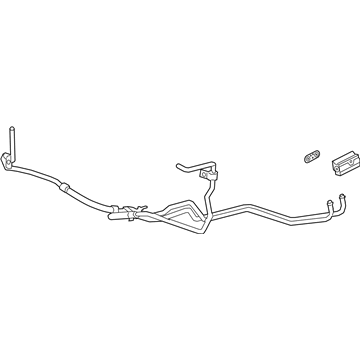
GMC Cooler Line Part Number: 84075818
$70.48 MSRP: $111.89You Save: $41.41 (38%)Product Specifications- Other Name: Pipe, Transmission Oil Cooler; Transmission Oil Cooler Line; Line
- Replaces: 23232593, 23398276, 84013521
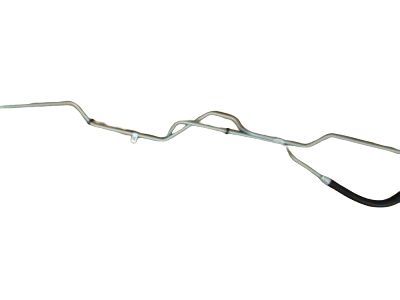
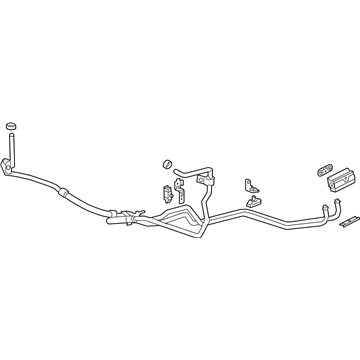
GMC Cooler Pipe Part Number: 86818095
$181.97 MSRP: $315.67You Save: $133.70 (43%)Ships in 1-2 Business DaysProduct Specifications- Other Name: Pipe, Transmission Oil Cooler; Line
- Replaces: 84651358, 84527053, 84846539, 84620868, 84885688, 84889805, 85532817
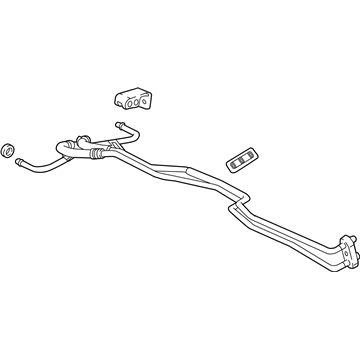
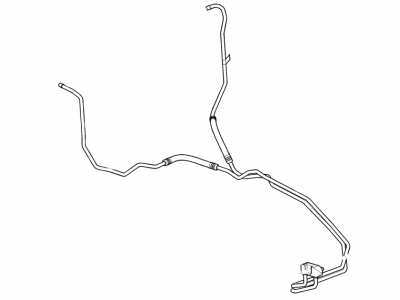
GMC Cooler Pipe Part Number: 85149482
$143.13 MSRP: $225.17You Save: $82.04 (37%)Product Specifications- Other Name: Pipe, Transmission Oil Cooler; Line
- Replaced by: 85532818
 Product Specifications
- Other Name: Pipe, Transmission Oil Cooler; Transmission Oil Cooler Line
- Replaces: 84518699, 84257878, 84075817
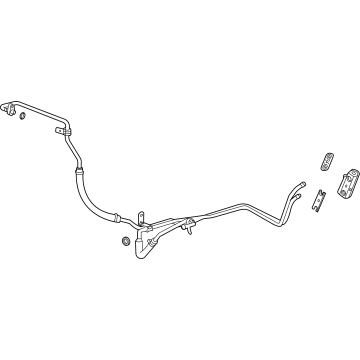
GMC Pipe Assembly Part Number: 85584364
$54.51 MSRP: $92.80You Save: $38.29 (42%)Ships in 1-3 Business DaysProduct Specifications- Other Name: Pipe, Transmission Oil Cooler
- Replaces: 84818886, 84678774, 85552300
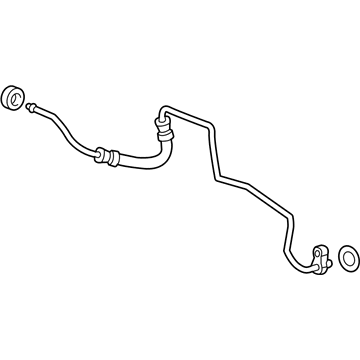
GMC Outlet Hose Part Number: 84389088
$57.11 MSRP: $90.63You Save: $33.52 (37%)Ships in 1-2 Business DaysProduct Specifications- Other Name: Pipe, Transmission Oil Cooler; Transmission Oil Cooler Line; Hose & Tube Assembly; Oil Outlet Tube; Line
- Replaced by: 86584621
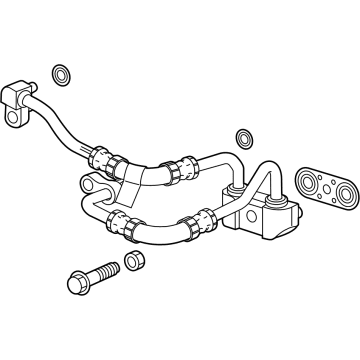
GMC Cooler Pipe Part Number: 85111858
$63.62 MSRP: $99.65You Save: $36.03 (37%)Ships in 1-2 Business DaysProduct Specifications- Other Name: Pipe, Transmission Oil Cooler; Line
GMC Pipe Assembly Part Number: 84818889
$114.90 MSRP: $180.79You Save: $65.89 (37%)Ships in 1-2 Business DaysProduct Specifications- Other Name: Pipe, Transmission Oil Cooler
- Replaced by: 85639731
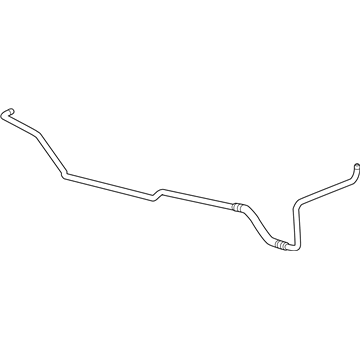
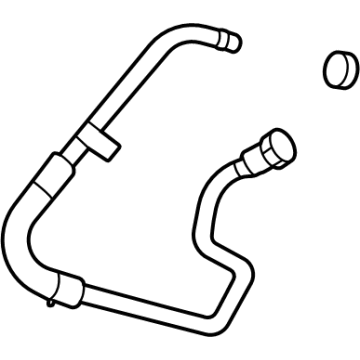
GMC Outlet Pipe, Lower Part Number: 25849124
$39.88 MSRP: $67.92You Save: $28.04 (42%)Ships in 1-2 Business DaysProduct Specifications- Other Name: Hose Assembly-Transmission Fluid Cooler Lower; Hose, Transmission Oil Cooler
- Position: Lower
GMC Cooler Pipe Part Number: 86826750
$78.02 MSRP: $122.18You Save: $44.16 (37%)Ships in 1-3 Business DaysProduct Specifications- Other Name: Pipe, Transmission Oil Cooler
- Replaced by: 85801418
- Replaces: 84906731
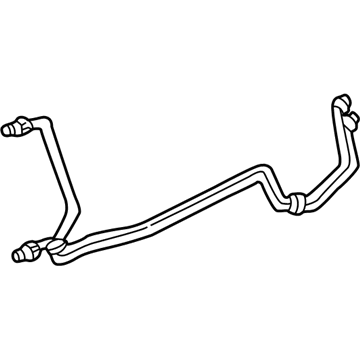
GMC Cooler Pipe, Upper Part Number: 15053318
$33.60 MSRP: $53.35You Save: $19.75 (38%)Ships in 1-2 Business DaysProduct Specifications- Other Name: Pipe, Transmission Fluid Cooler Upper; Pipe, Transmission Oil Cooler
- Position: Upper
- Replaces: 15737415
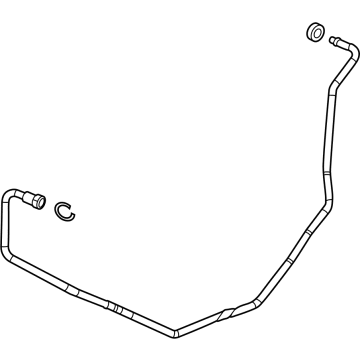
GMC Outlet Pipe Part Number: 84132342
$30.55 MSRP: $50.31You Save: $19.76 (40%)Ships in 1-2 Business DaysProduct Specifications- Other Name: Pipe Assembly-Transmission Fluid Auxiliary Cooler Outlet; Transmission Oil Cooler Line; Outlet Hose; Oil Return Tube; Line; Pipe, Transmission Oil Cooler
- Replaces: 23119936
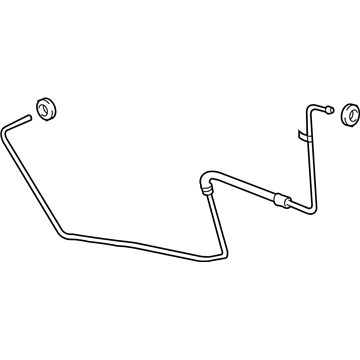
GMC Upper Hose Part Number: 25849123
$56.11 MSRP: $96.30You Save: $40.19 (42%)Ships in 1 Business DayProduct Specifications- Other Name: Pipe Assembly-Transmission Fluid Cooler Upper; Transmission Oil Cooler Hose; Pipe, Transmission Oil Cooler
- Position: Upper
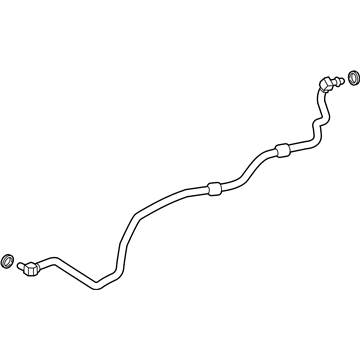
GMC Outlet Pipe Part Number: 84348114
$89.79 MSRP: $216.49You Save: $126.70 (59%)Ships in 1-2 Business DaysProduct Specifications- Other Name: Pipe, Transmission Oil Cooler
- Replaces: 84042575
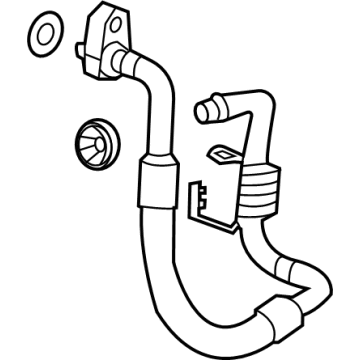
GMC Inlet Pipe Part Number: 85525392
$68.61 MSRP: $116.81You Save: $48.20 (42%)Ships in 1-3 Business DaysProduct Specifications- Other Name: Pipe Assembly-Transmission Fluid Cooler; Pipe, Transmission Oil Cooler
- Replaced by: 85630660
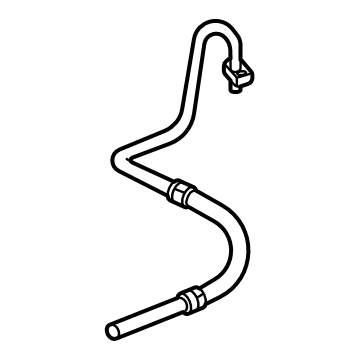
GMC Inlet Hose Part Number: 84132340
$30.28 MSRP: $48.04You Save: $17.76 (37%)Ships in 1-2 Business DaysProduct Specifications- Other Name: Pipe Assembly-Transmission Fluid Cooler Inlet; Transmission Oil Cooler Hose; Transmission Oil Cooler Line; Line; Pipe, Transmission Oil Cooler
- Replaces: 23100572
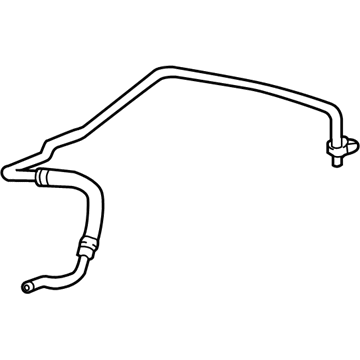
GMC Outlet Hose Part Number: 23277642
$28.03 MSRP: $46.18You Save: $18.15 (40%)Ships in 1-3 Business DaysProduct Specifications- Other Name: Pipe, Transmission Oil Cooler; Transmission Oil Cooler Line; Line
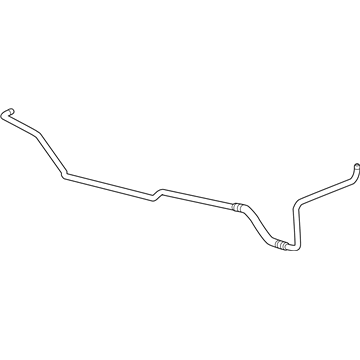
GMC Outlet Pipe Part Number: 20916868
$114.00 MSRP: $181.02You Save: $67.02 (38%)Ships in 1-2 Business DaysProduct Specifications- Other Name: Pipe Assembly-Transmission Fluid Cooler; Pipe, Transmission Oil Cooler
- Replaces: 25847206
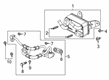
GMC Cooler Pipe Part Number: 85563686
$135.66 MSRP: $213.42You Save: $77.76 (37%)Product Specifications- Other Name: Pipe, Transmission Oil Cooler; Line
- Replaces: 84527055, 85149480, 84885689, 84651356, 85532815
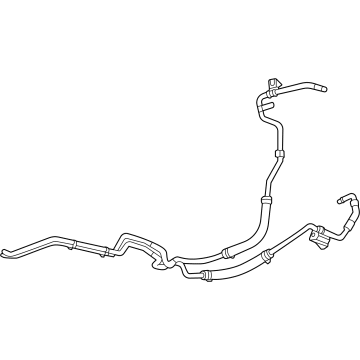
GMC Hose & Tube Assembly Part Number: 86826748
$128.19 MSRP: $201.66You Save: $73.47 (37%)Product Specifications- Other Name: Pipe, Transmission Oil Cooler; Line
- Replaced by: 86531996
- Replaces: 85584728, 84974082, 84906730
| Page 1 of 6 |Next >
1-20 of 104 Results
GMC Automatic Transmission Oil Cooler Line
Choose OEM Automatic Transmission Oil Cooler Line, you're making the optimal decision for superior quality and perfect performance. You can feel confident because each component goes through stringent quality checks. Every part is carefully built to comply with GMC's factory specifications. You'll enjoy a smooth, worry-free installation that fits just right. At ChevyPartsGiant.com, you'll find it easy to get top-quality OEM GMC Automatic Transmission Oil Cooler Line. You can shop at highly competitive prices and protect your budget. All our genuine GMC parts include a dependable manufacturer's warranty. You'll also appreciate our straightforward return policy and swift delivery services for extra convenience.
GMC Automatic Transmission Oil Cooler Line maintains the transmission fluid at an optimal temperature, ensuring the quality of shifting without sacrificing it as the brand trucks meet the task of towing and daily driving. Formed in 1901 as Rapid Motor Vehicle company, the company has developed into a reliable manufacturer of pickups and SUVs that are designed on a high-strength frame and with a robust powertrain that shrugs against the weight of heavier loads. A quiet cabin, multi-pro tailgate, surround vision cameras, hitch guidance and rough roads being smoothed out by the suspension all add to the comfort and safety. Intense testing and frequent tech improvements allow the brand to stay reliable and gain the trust of the driver and show that driveability can be on the same block as luxury. Individuals who purchase GMC like the combination of power and smart technology. An Automatic Transmission Oil Cooler Line is a pressure-rated hose, which pumps hot fluid to the cooler and back, seals will not be damaged, and will extend the life of the transmission. The process of replacing the Automatic Transmission Oil Cooler Line begins with parking the vehicle on the flat ground, getting it firmly on the ground, and releasing pressure using the dipstick tube. Select a drain pan, unthread fittings in the transmission and the external cooler including capping each port to prevent entry of debris. Connect the new line to the original path, change sides of clamps or O-rings and clear tube of exhaust components and moving shafts. Install fitting, lower the vehicle, replenish liquid, work through gears, check against leakage, and then lastly, do a road test to ensure smooth running.
Related GMC Parts
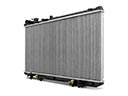 GMC Radiator
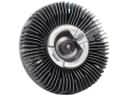 GMC Fan Clutch
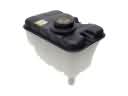 GMC Coolant Reservoir
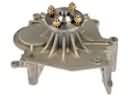 GMC Cooling Fan Bracket
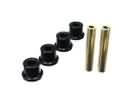 GMC Crossmember Bushing
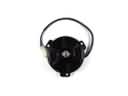 GMC Fan Motor
 GMC Oil Cooler Hose
 GMC Radiator Cap
 GMC Radiator Hose
 GMC Thermostat Gasket
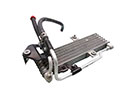 GMC Transmission Oil Cooler
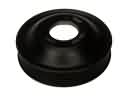 GMC Water Pump Pulley
Browse GMC Automatic Transmission Oil Cooler Line by Models
Acadia Sierra 1500 Yukon Canyon Sierra 2500 HD Terrain C1500 K1500 Safari Savana 2500 Savana 3500 Sierra 2500 Sierra 3500 Yukon XL C2500 C3500 K2500 K3500 Savana 1500 Yukon XL 1500 Sierra 1500 Classic Sierra 1500 HD Sierra 1500 HD Classic Sierra 1500 Limited Sierra 2500 HD Classic Sierra 3500 Classic Sierra 3500 HD Yukon XL 2500