ChevyParts
My Garage
My Account
Cart
OEM GMC Sierra 1500 Classic Brake Caliper Bracket
Caliper Bracket- Select Vehicle by Model
- Select Vehicle by VIN
Select Vehicle by Model
orMake
Model
Year
Select Vehicle by VIN
For the most accurate results, select vehicle by your VIN (Vehicle Identification Number).
6 Brake Caliper Brackets found
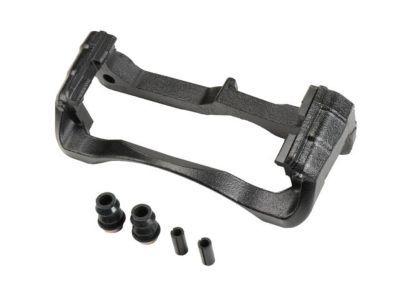
GMC Sierra 1500 Classic Caliper Bracket, Passenger Side Part Number: 25997055
$127.26 MSRP: $246.98You Save: $119.72 (49%)Ships in 1-2 Business Days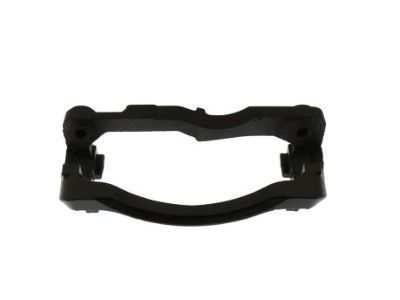
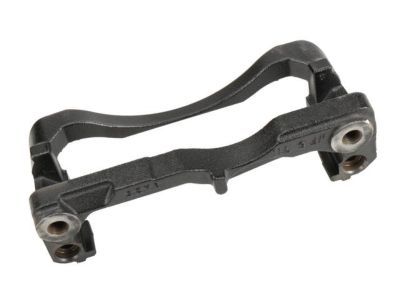
GMC Sierra 1500 Classic Caliper Bracket, Driver Side Part Number: 25997053
$142.64 MSRP: $255.84You Save: $113.20 (45%)Ships in 1-2 Business Days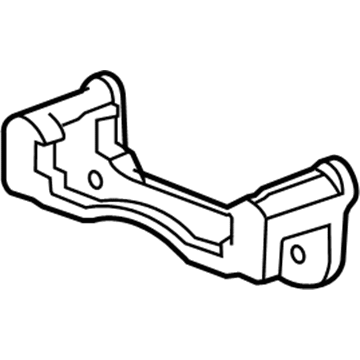
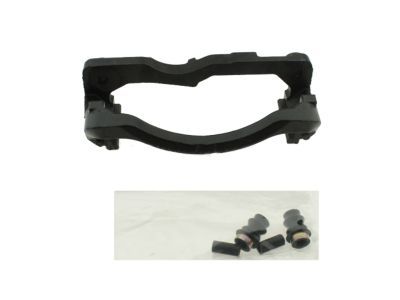
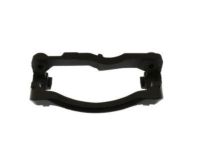
GMC Sierra 1500 Classic Caliper Bracket, Silver Part Number: 23498371
$62.47 MSRP: $125.42You Save: $62.95 (51%)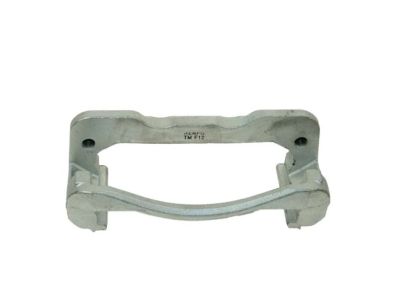
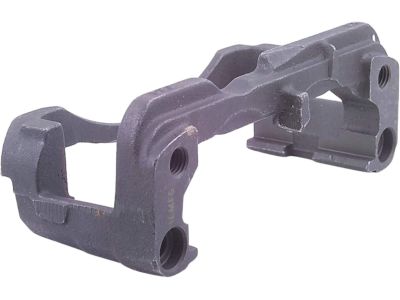
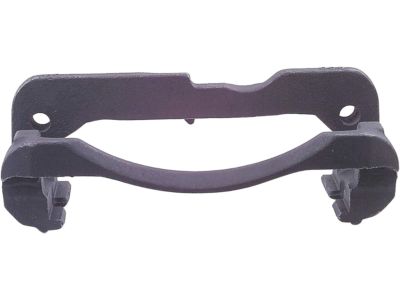
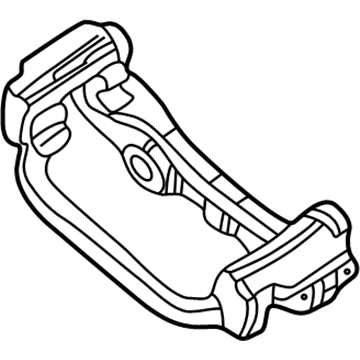
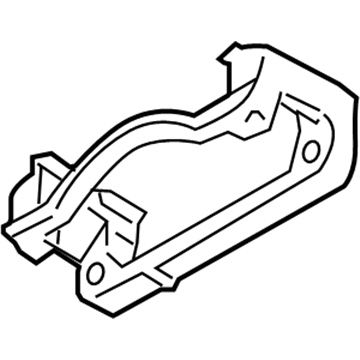
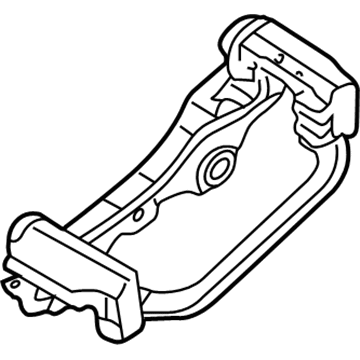
GMC Sierra 1500 Classic Caliper Bracket, Rear Part Number: 25997047
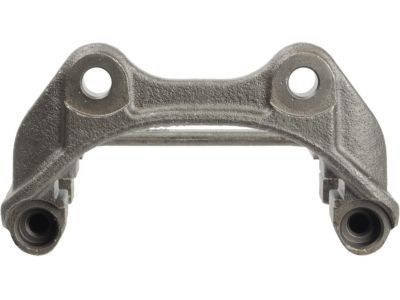
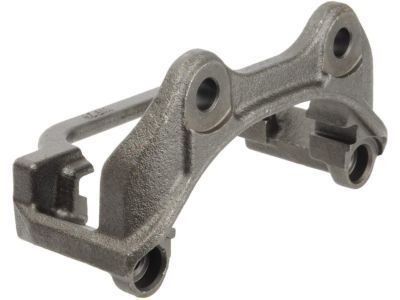
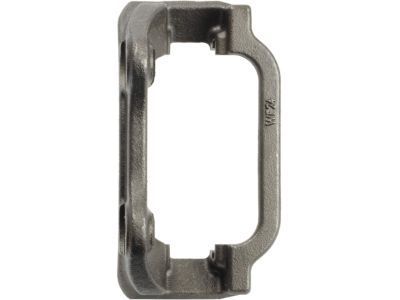
GMC Sierra 1500 Classic Caliper Mount Part Number: 18048917
GMC Sierra 1500 Classic Caliper Bracket, Rear Part Number: 25997048
GMC Sierra 1500 Classic Brake Caliper Bracket
Want to cut long-term maintenance and repair costs? Choose OEM Brake Caliper Bracket. Those parts deliver top durability you can trust. On our site, you'll find a huge catalog of genuine GMC Sierra 1500 Classic parts. Prices are unbeatable, so you can keep more in your pocket. Every OEM GMC Sierra 1500 Classic Brake Caliper Bracket includes a manufacturer's warranty. You can also get an easy return policy that keeps buying risk free. Fast delivery, get your car on the road quickly. It's simple to search, compare, and order. Stop guessing about quality or fit. Order today and save with parts that last.
GMC Sierra 1500 Classic Brake Caliper Bracket Parts Questions & Experts Answers
- Q: How to replace the front brake caliper bracket on the 1500 Series on GMC Sierra 1500 Classic?A:You need to test brake fluid level first. Tap the brake fluid reservoir until the top is at the mark between high and low level marks. Support and lift the vehicle before taking off the tire and wheel unit. Press the brake caliper pistons to full retraction by clamping the caliper housing at both sides with 2 large c-clamps. Use hand tools to remove the caliper guide pin bolts when you hold the guide pin in place with an open end wrench without letting it touch the brake caliper. Take out the brake caliper from its bracket without disconnecting the hydraulic hose before removing all Brake Pads, anti-rattle clips, and then the bracket bolts and bracket. Install the new caliper bracket across its mounting surface and inside ends after cleaning them both. Clean the brake caliper surface with crushed alcohol before applying threadlocker gm p/n 12345493 (Canadian P/N 10953488) to new bracket bolts threads. Distribute torque on the bolts to 180 nm (133 ft. Lbs.) before inserting the Brake Pad anti-rattle clips and brakes pads that need to touch the rotor. Little tool assistance helps you fasten the guide pin bolts of the caliper onto the bracket until they reach a torque of 100 nm (74 ft. Lbs.). Press the brake caliper guide pin seals into position and check that guide pins slide without resistance. Put the wheel back in place before lowering the vehicle and apply brake pressure until the pedal travels 2/3 of its distance without starting the engine. Do the hydraulic test until you get a strong pedal feel and add fresh brake fluid when the level needs adjustment.
Related GMC Sierra 1500 Classic Parts
 GMC Sierra 1500 Classic ABS Sensor
 GMC Sierra 1500 Classic Brake Backing Plate
 GMC Sierra 1500 Classic Brake Caliper Piston
 GMC Sierra 1500 Classic Brake Calipers
 GMC Sierra 1500 Classic Brake Disc
 GMC Sierra 1500 Classic Brake Drum
 GMC Sierra 1500 Classic Brake Line
 GMC Sierra 1500 Classic Brake Shoe
 GMC Sierra 1500 Classic Hydraulic Hose
 GMC Sierra 1500 Classic Wheel Bearing
 GMC Sierra 1500 Classic Wheel Cylinder
 GMC Sierra 1500 Classic Wheel Hub Bolt