ChevyParts
My Garage
My Account
Cart
OEM Chevrolet Avalanche 2500 Ignition Lock Cylinder
Ignition Key Lock Cylinder- Select Vehicle by Model
- Select Vehicle by VIN
Select Vehicle by Model
orMake
Model
Year
Select Vehicle by VIN
For the most accurate results, select vehicle by your VIN (Vehicle Identification Number).
5 Ignition Lock Cylinders found
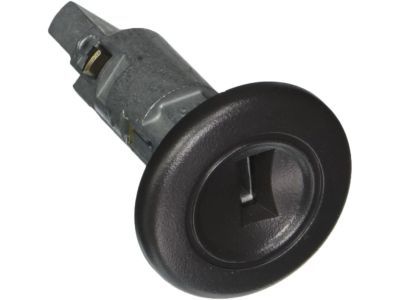
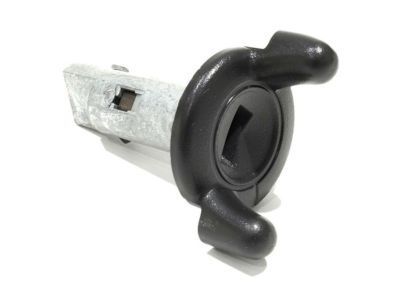
Chevrolet Avalanche 2500 Ignition Lock Cylinder Part Number: 15298923
$50.36 MSRP: $103.47You Save: $53.11 (52%)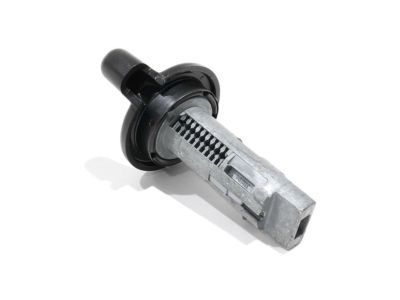
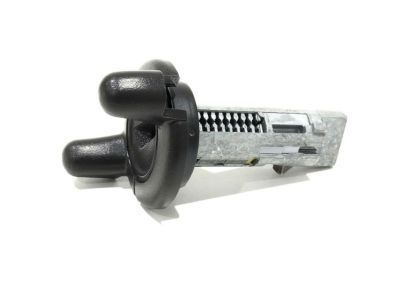
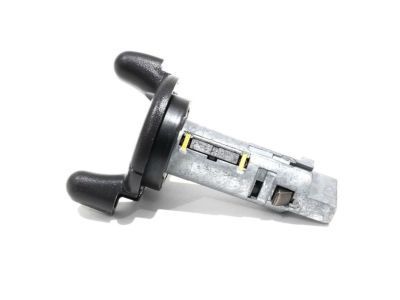
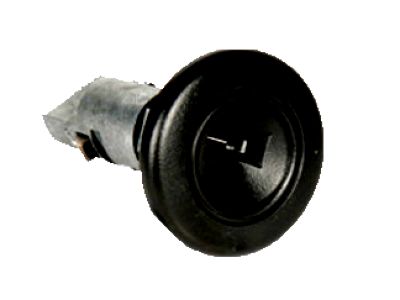
Chevrolet Avalanche 2500 Ignition Lock Cylinder Part Number: 15815961
$51.11 MSRP: $92.15You Save: $41.04 (45%)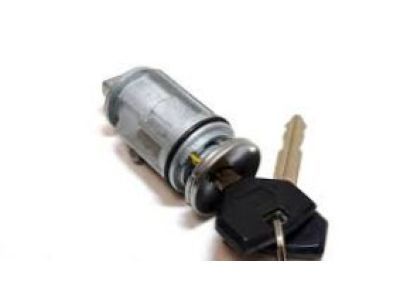
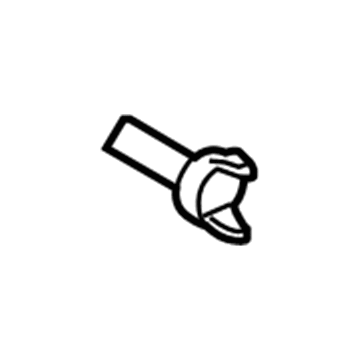
Chevrolet Avalanche 2500 Ignition Lock Cylinder Part Number: 15785100
$57.15 MSRP: $89.54You Save: $32.39 (37%)Ships in 1-3 Business Days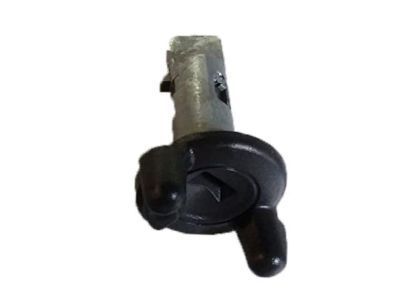

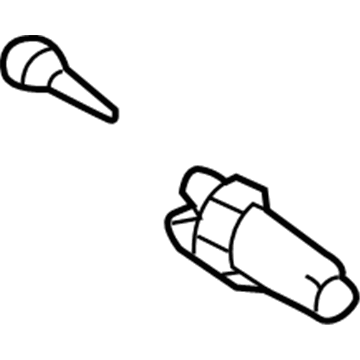
Chevrolet Avalanche 2500 Ignition Lock Cylinder Part Number: 12472981
$50.85 MSRP: $79.65You Save: $28.80 (37%)Ships in 1-2 Business Days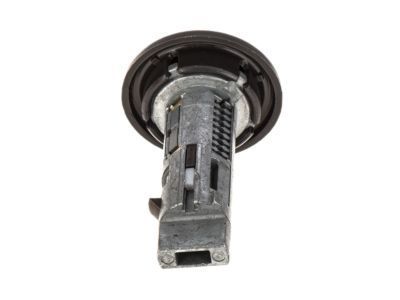
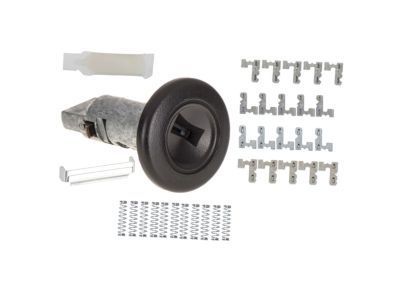
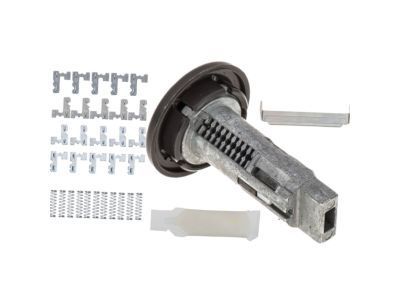
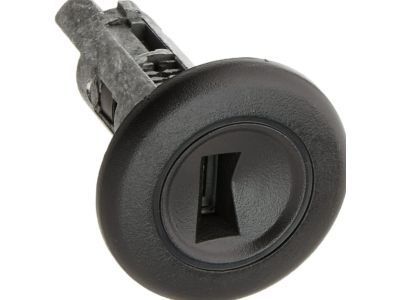
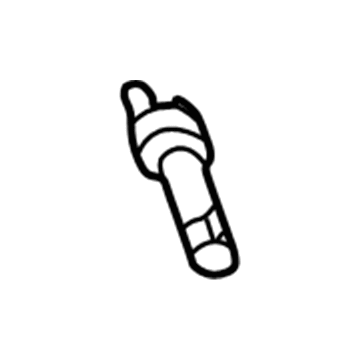
Chevrolet Avalanche 2500 Ignition Lock Cylinder Part Number: 15799769
$62.29 MSRP: $111.24You Save: $48.95 (44%)
Chevrolet Avalanche 2500 Ignition Lock Cylinder
Want to cut long-term maintenance and repair costs? Choose OEM Ignition Lock Cylinder. Those parts deliver top durability you can trust. On our site, you'll find a huge catalog of genuine Chevrolet Avalanche 2500 parts. Prices are unbeatable, so you can keep more in your pocket. Every OEM Chevrolet Avalanche 2500 Ignition Lock Cylinder includes a manufacturer's warranty. You can also get an easy return policy that keeps buying risk free. Fast delivery, get your car on the road quickly. It's simple to search, compare, and order. Stop guessing about quality or fit. Order today and save with parts that last.
Chevrolet Avalanche 2500 Ignition Lock Cylinder Parts Questions & Experts Answers
- Q: What are the features and assembly instructions for the Ignition Lock Cylinder on Chevrolet Avalanche 2500?A:The ignition keys are double sided and reversible with master key and valet key that having a transponder that responds to theft deterrent system when turned. The keys have 10 cut positions and 4 different depths. The master key opens all locks, the valet key opens the door locks and ignition only, while the emergency key, which has no transponder, opens only the door locks and ip storage compartment lock. In order to cut keys, retrieve key code from the 4-digit number found on the key tag that comes with the original master and valet keys cross reference to the cut and tumbler sequence. The transponder in the master and valet keys need to be programmed to the vehicle. First, you need to cut the blank key to its correct depths and sequence and next, test the mechanical functioning of the key with all the lock cylinders. In the case of replacing a master or valet key, program the transponder of the key for the car's use. The Ignition Lock Cylinder has made use of seven of the ten cuts namely 3 to 9 in a staggered tumbler positions. Assemble the Ignition Lock Cylinder by placing tumbler springs and loading in the cylinder according to the cut positions of a key. Make sure the tumblers are flush before lubricating the surfaces of the cylinder. For Door Lock Cylinder, this that also has seven cut positions, pick cylinder with the four tumbler spring wells up, then put springs in, and load the tumblers with them staying in. Once checking for optimal loading, lubricate the tumbler surfaces, plate springs, and put everything together with the shutter assembly and detent components. The ip for storage compartment lock cylinder requires the use of 4 out of the 10 cut positions, namely position 7 to 10 along with a retainer tumbler that is already pre-installed. Assemble this lock cylinder by getting the tumblers to enter tumbler springs and loading the tumblers for them to be flush with the cylinder. Remember that keys or lock cylinder are not sold separately; the console lid assembly has to be replaced to replace them.
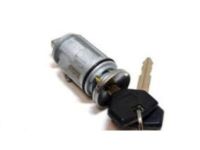
Related Chevrolet Avalanche 2500 Parts
 Chevrolet Avalanche 2500 Automatic Transmission Shift Levers
 Chevrolet Avalanche 2500 Idler Arm
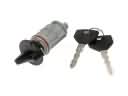 Chevrolet Avalanche 2500 Ignition Lock Assembly
 Chevrolet Avalanche 2500 Power Steering Cooler
 Chevrolet Avalanche 2500 Rack And Pinion
 Chevrolet Avalanche 2500 Steering Angle Sensor
 Chevrolet Avalanche 2500 Steering Column
 Chevrolet Avalanche 2500 Steering Column Cover
 Chevrolet Avalanche 2500 Steering Column Seal
 Chevrolet Avalanche 2500 Steering Shaft
 Chevrolet Avalanche 2500 Steering Wheel
 Chevrolet Avalanche 2500 Upper Steering Column Bearing