ChevyParts
My Garage
My Account
Cart
OEM Chevrolet Silverado 1500 Classic Brake Disc
Disc Rotor- Select Vehicle by Model
- Select Vehicle by VIN
Select Vehicle by Model
orMake
Model
Year
Select Vehicle by VIN
For the most accurate results, select vehicle by your VIN (Vehicle Identification Number).
5 Brake Discs found
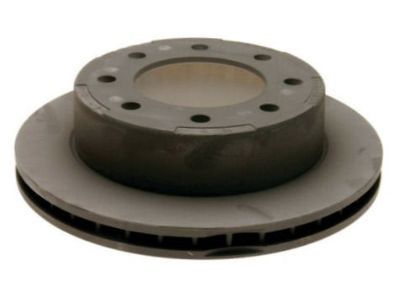
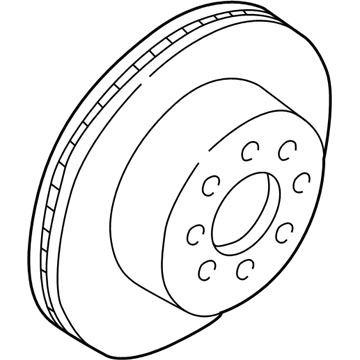
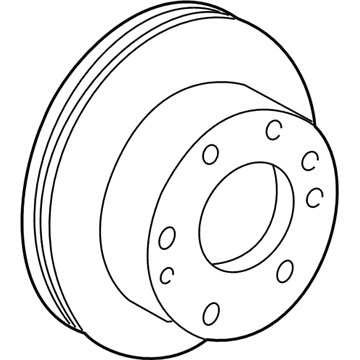
Chevrolet Silverado 1500 Classic Rotor Part Number: 15712801
$96.36 MSRP: $180.93You Save: $84.57 (47%)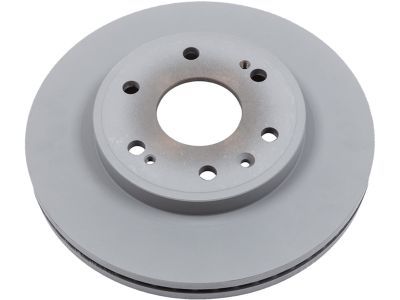
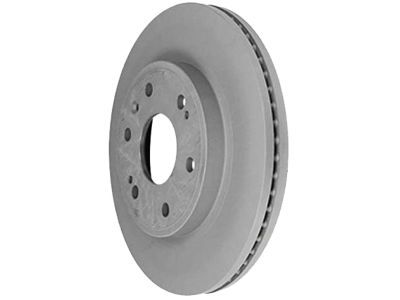
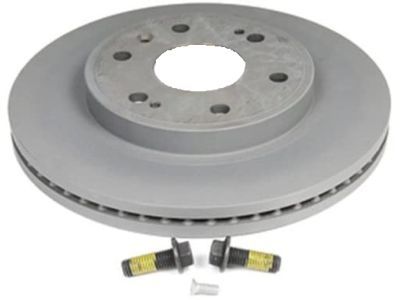
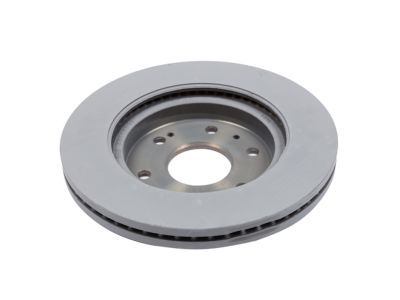
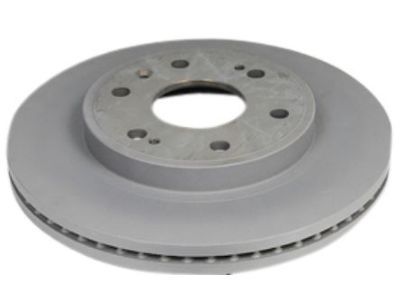
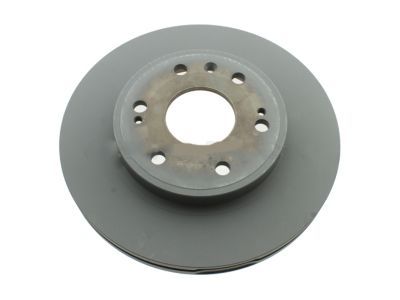
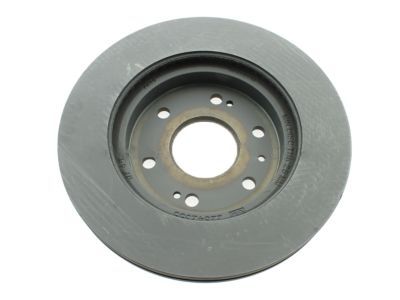
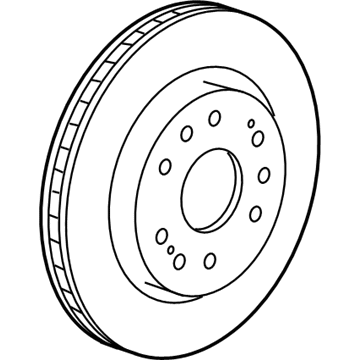
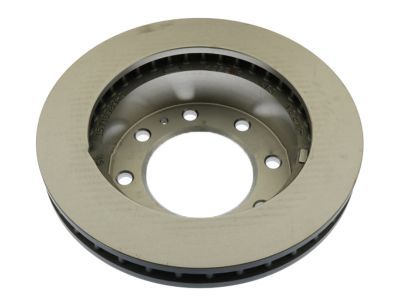
Chevrolet Silverado 1500 Classic Rotor, Front Part Number: 22950036
$131.59 MSRP: $257.65You Save: $126.06 (49%)Ships in 1-3 Business Days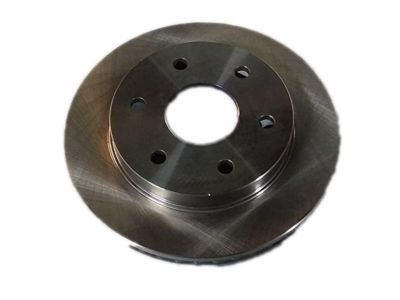
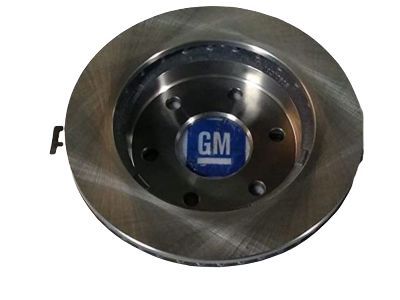
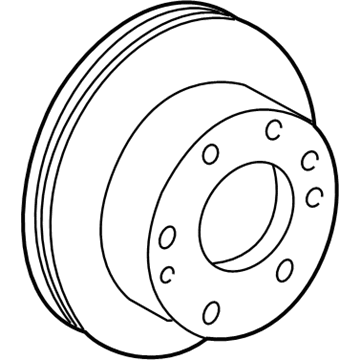
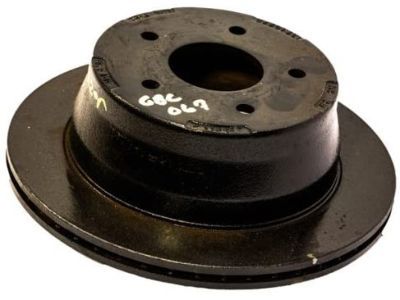
Chevrolet Silverado 1500 Classic Rotor, Front Part Number: 19210603
$94.27 MSRP: $182.96You Save: $88.69 (49%)Ships in 1-2 Business Days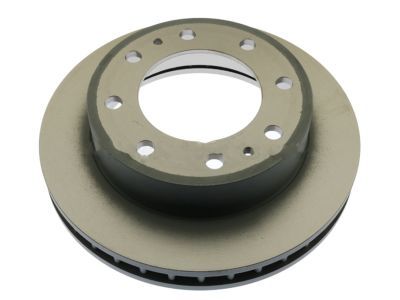
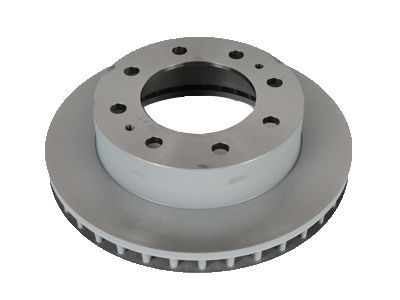
Chevrolet Silverado 1500 Classic Rotor, Front Part Number: 15942195
$154.61 MSRP: $302.70You Save: $148.09 (49%)Ships in 1-2 Business Days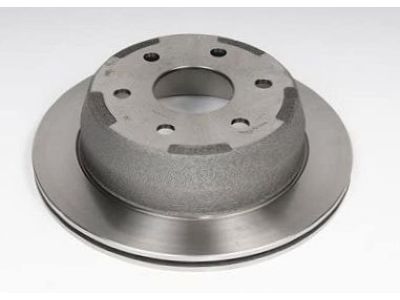
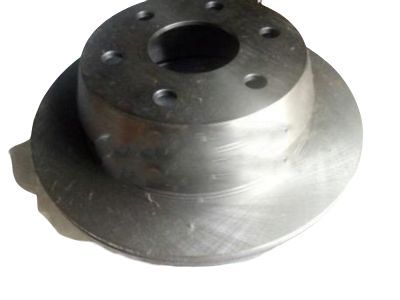
Chevrolet Silverado 1500 Classic Rotor Part Number: 19211496
Chevrolet Silverado 1500 Classic Brake Disc
Want to cut long-term maintenance and repair costs? Choose OEM Brake Disc. Those parts deliver top durability you can trust. On our site, you'll find a huge catalog of genuine Chevrolet Silverado 1500 Classic parts. Prices are unbeatable, so you can keep more in your pocket. Every OEM Chevrolet Silverado 1500 Classic Brake Disc includes a manufacturer's warranty. You can also get an easy return policy that keeps buying risk free. Fast delivery, get your car on the road quickly. It's simple to search, compare, and order. Stop guessing about quality or fit. Order today and save with parts that last.
Chevrolet Silverado 1500 Classic Brake Disc Parts Questions & Experts Answers
- Q: How to replace the rear brake disc on Chevrolet Silverado 1500 Classic?A:To replace the rear Brake Disc, collect the following tools: slide hammer with adapter (J 2619-01) and disc resurfacing kit (J 41013), wheel hub resurfacing kit (J 42450-A); disc removal tool (J-46277). Start by depowering the park brake and checking the Brake Master Cylinder reservoir fluid level should be in the middle point between the most upper and most lower limits. Mark the disc's relationship to the hub, take off the tire and wheel assembly. Use a large c-clamp so you can compress the brake caliper pistons then remove the Brake Caliper Bracket and the brake caliper and bracket as an assembly to support the caliper as part of the brake caliper without disconnecting the Hydraulic Hose. If it applies, remove Brake Disc retaining push nuts, and if it is required, apply a deadblow hammer to split the disc from the hub. In case the disc cannot be disassembled, assemble the disc removal tool (J-46277) and attach it to the slide hammer with adapter (J 2619-01) and push the tool between the disc friction surfaces to facilitate its removal. Examine the park brake parts for any damage, and replace damaged ones if necessary. Clean the hub/axle flange and Brake Disc mating surfaces with the aid of the wheel hub resurfacing kit (J 42450-A) and disc resurfacing kit (J 41013) to remove rust and contaminants. Line up and mount the disc and check the assembled lateral runout (LRO) for best brake performance. Forward any deviation in specifications of the lro to be corrected. Install the caliper and the caliper bracket, keeping in mind to clean the bolting threads and apply threadlocker gm p/n 12345493 (Canadian P/N 10953488) while tightening the caliper bracket bolts to 200 nm (148 ft. Lbs.). Finally, replace the tire and wheel assembly and pedal the brake pedal slowly to seat the caliper pistons and pads before topping off the master cylinder reservoir with clean brake fluid if needed.
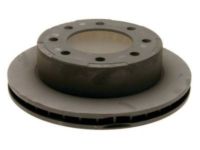
Related Chevrolet Silverado 1500 Classic Parts
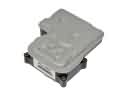 Chevrolet Silverado 1500 Classic ABS Control Module
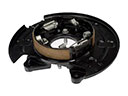 Chevrolet Silverado 1500 Classic Brake Backing Plate
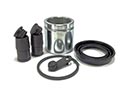 Chevrolet Silverado 1500 Classic Brake Caliper Repair Kit
 Chevrolet Silverado 1500 Classic Brake Line
 Chevrolet Silverado 1500 Classic Brake Pad
 Chevrolet Silverado 1500 Classic Brake Shoe
 Chevrolet Silverado 1500 Classic Parking Brake Shoe
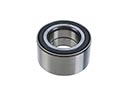 Chevrolet Silverado 1500 Classic Wheel Bearing
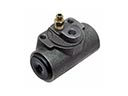 Chevrolet Silverado 1500 Classic Wheel Cylinder
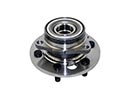 Chevrolet Silverado 1500 Classic Wheel Hub
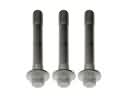 Chevrolet Silverado 1500 Classic Wheel Hub Bolt
 Chevrolet Silverado 1500 Classic Wheel Speed Sensor