ChevyParts
My Garage
My Account
Cart
OEM Chevrolet K3500 Oxygen Sensor
Oxygen O2 Sensor- Select Vehicle by Model
- Select Vehicle by VIN
Select Vehicle by Model
orMake
Model
Year
Select Vehicle by VIN
For the most accurate results, select vehicle by your VIN (Vehicle Identification Number).
6 Oxygen Sensors found
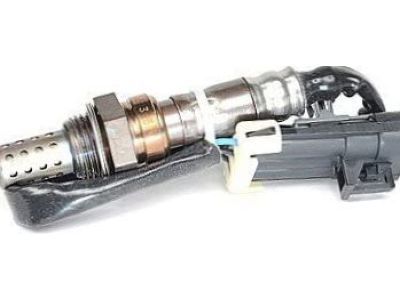
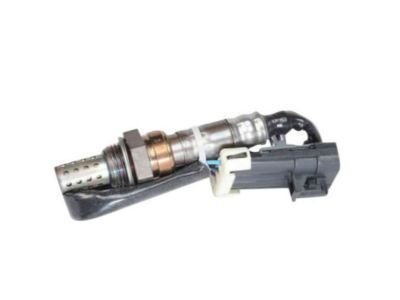
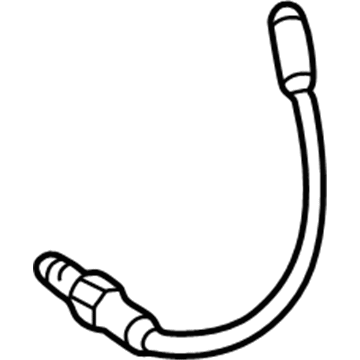
Chevrolet K3500 Oxygen Sensor Part Number: 19178938
$63.56 MSRP: $129.10You Save: $65.54 (51%)Ships in 1-2 Business Days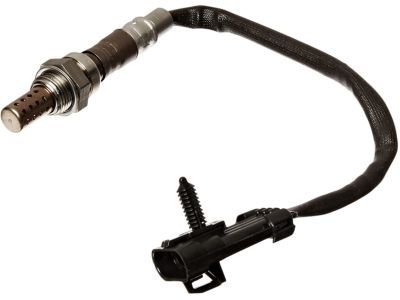
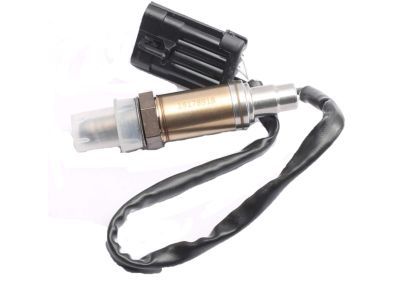
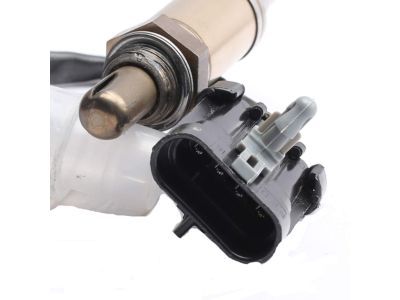
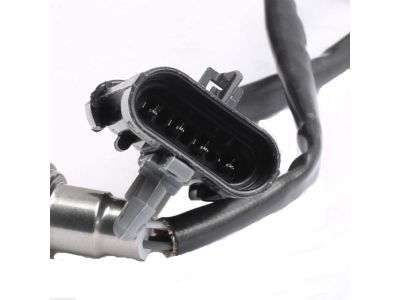
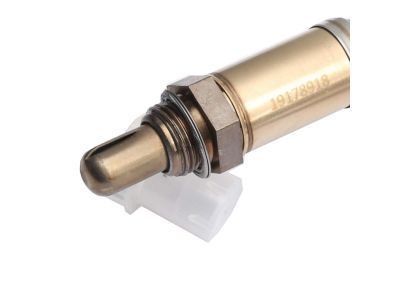
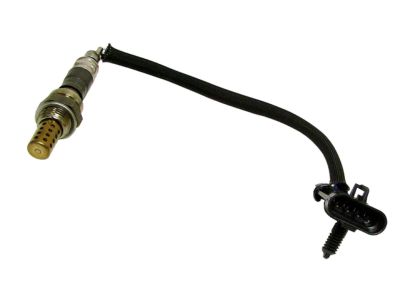
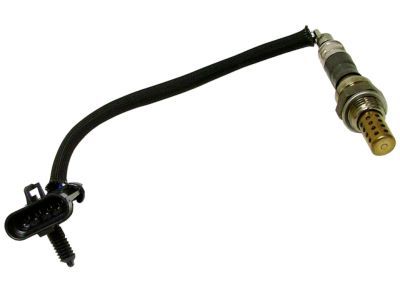
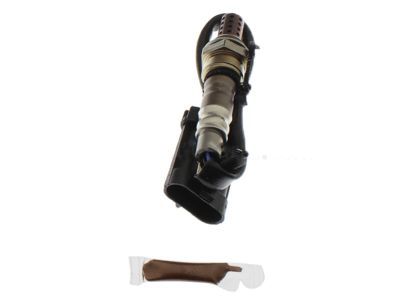
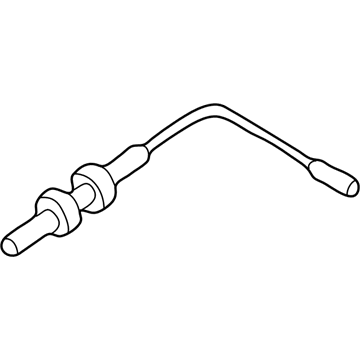
Chevrolet K3500 Oxygen Sensor Part Number: 19178918
$70.38 MSRP: $142.96You Save: $72.58 (51%)Ships in 1-2 Business Days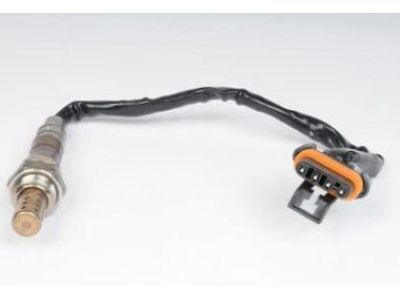
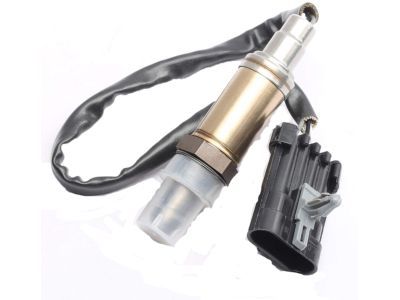
Chevrolet K3500 Oxygen Sensor Part Number: 19178934
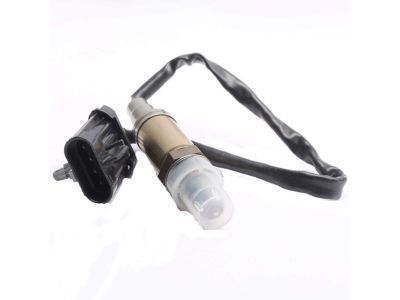
$72.07 MSRP: $146.38You Save: $74.31 (51%)Ships in 1-2 Business DaysChevrolet K3500 Oxygen Sensor Part Number: 25176708
$55.59 MSRP: $112.89You Save: $57.30 (51%)Ships in 1-2 Business Days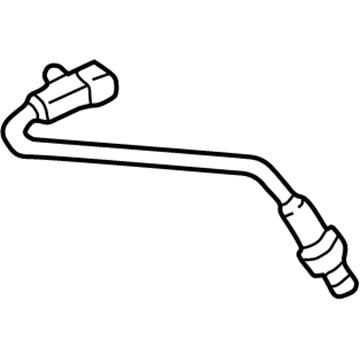
Chevrolet K3500 Heated Oxygen Sensor Assembly Part Number: 19355306
$62.07 MSRP: $126.08You Save: $64.01 (51%)Ships in 1-2 Business Days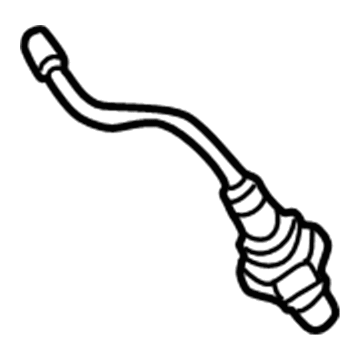
Chevrolet K3500 Oxygen Sensor Part Number: 19211437
$19.00 MSRP: $33.92You Save: $14.92 (44%)
Chevrolet K3500 Oxygen Sensor
Want to cut long-term maintenance and repair costs? Choose OEM Oxygen Sensor. Those parts deliver top durability you can trust. On our site, you'll find a huge catalog of genuine Chevrolet K3500 parts. Prices are unbeatable, so you can keep more in your pocket. Every OEM Chevrolet K3500 Oxygen Sensor includes a manufacturer's warranty. You can also get an easy return policy that keeps buying risk free. Fast delivery, get your car on the road quickly. It's simple to search, compare, and order. Stop guessing about quality or fit. Order today and save with parts that last.
Chevrolet K3500 Oxygen Sensor is one of those components that contribute to the practically thinking and dependable construction of Chevrolet's K3500 models from 1988-2002. This Oxygen Sensor specifically contributes to determine the presence of unburned oxygen in the exhaust emissions and therefore contributes to setting up the correct air-fuel mixture and reducing emissions. Chevrolet K3500 Oxygen Sensor hitherto produces a voltage signal concerning the amount of oxygen in its surroundings so that the engine control computer can alter the fuel injector pulse width to achieve a closed loop functioning which in turn optimises converters dispatching efficiency. K3500 compatible, the Oxygen Sensor is usually made from zirconium dioxide and consists of the upstream and downstream sensors that allow instant feedback on catalytic activity of the converter. SOME OF INSTRUMENTS,NEWER K3500 MODELS MAY CONTAIN SATELLITE WIDTH BAND AIR-TO-FUEL RATIO SENSORS WHICH ALLOW TO MEASURE A WIDER RANGE OF PARAMETERS. Chevrolet K3500 is built to be strong and comes out fitted with exquisite Vortec engines, which make it suitable for tasks that require heavy usage. The Oxygen Sensor is also very important to the entire working of the vehicle because it helps enhance efficiency and safety by regulating the output of the engine while at the same time minimizing on the emission of gases into the atmosphere. Other qualities like further state of the art emission control with on-board diagnostics 2 OBD II make the K3500 more appealing in the automotive market. In summation, the features of the Chevrolet K3500 Oxygen Sensor fit the Chevrolet brand's image of innovation and reliability in the market and consequently strengthens the brand in the automotive market's sector.
Chevrolet K3500 Oxygen Sensor Parts Questions & Experts Answers
- Q: How to service the oxygen sensor properly on Chevrolet K3500?A:Requirements for servicing the Oxygen Sensor include using the right tool, dealing with the sensor with care and ensuring the heated Oxygen Sensor (HO2S), the louvered end and all connectors are not contaminated. Do not take the pigtail off the ho2s or Oxygen Sensor (02S), since this will reduce the sensor's effectiveness. In case the pigtail, connector or terminal is broken, you should replace the Oxygen Sensor, since it's best not to fix these types of problems yourself. Contact cleaner should not be applied to the sensor or to the connector harness and the sensor pigtail and harness wires should not be exposed or bent, as this might result in problems with performance. Leave the Oxygen Sensor ground wire in place, because it could be essential for the sensor and double-check the seal on the connector in order to avoid water getting inside the wiring. It may be hard to remove the ho2s if the engine is not warm enough and applying strong force might damage the threads in the exhaust system. At first, remove the negative Battery Cable and then lift the vehicle before taking out the ho2s sensor connector heat shield, if it exists. Remove the ho2s sensor harness next and then take out the heated Oxygen Sensor using the j 39194 wrench carefully. Coat the threads of the Oxygen Sensor with gm p/n 5613695 or an equivalent, put the sensor in place with the wrench and tighten to 41 n.m (30 lb ft). Afterward, install the ho2s sensor harness connector, fit a heat shield if it's required, lower the vehicle to the ground and place the negative Battery Cable back where it came from.
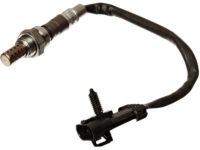
Related Chevrolet K3500 Parts
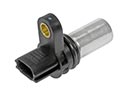 Chevrolet K3500 Camshaft Position Sensor
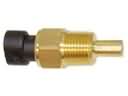 Chevrolet K3500 Coolant Temperature Sensor
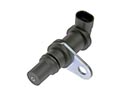 Chevrolet K3500 Crankshaft Position Sensor
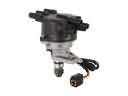 Chevrolet K3500 Distributor
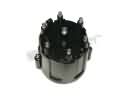 Chevrolet K3500 Distributor Cap
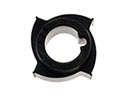 Chevrolet K3500 Distributor Reluctor
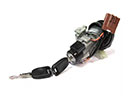 Chevrolet K3500 Igniter
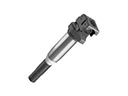 Chevrolet K3500 Ignition Coil
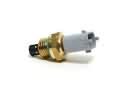 Chevrolet K3500 Intake Manifold Temperature Sensor
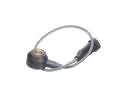 Chevrolet K3500 Knock Sensor
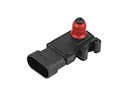 Chevrolet K3500 MAP Sensor
 Chevrolet K3500 Throttle Position Sensor