ChevyParts
My Garage
My Account
Cart
OEM Cadillac Escalade ESV Brake Line
Brake Hose- Select Vehicle by Model
- Select Vehicle by VIN
Select Vehicle by Model
orMake
Model
Year
Select Vehicle by VIN
For the most accurate results, select vehicle by your VIN (Vehicle Identification Number).
18 Brake Lines found
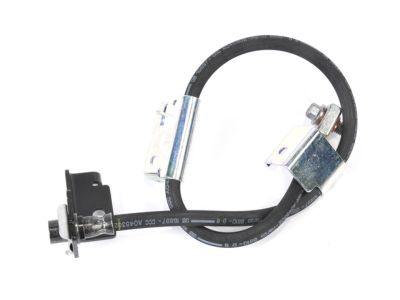
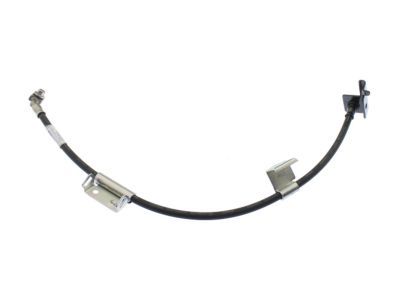
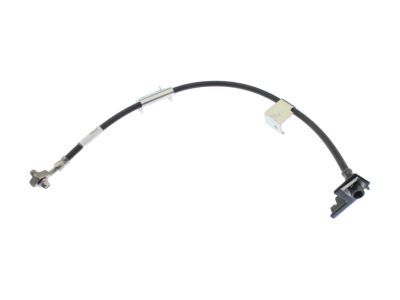
Cadillac Escalade ESV Flex Hose, Front Passenger Side Part Number: 19366696
$39.94 MSRP: $77.50You Save: $37.56 (49%)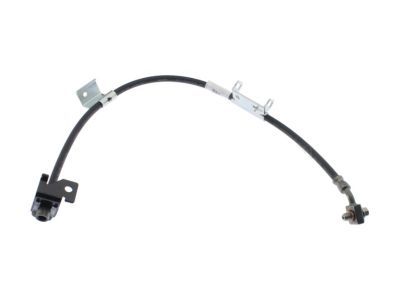
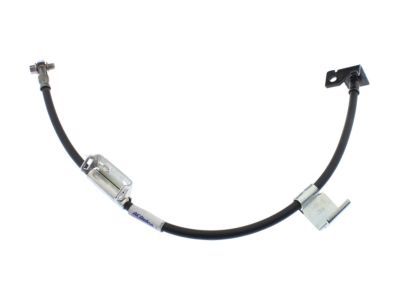
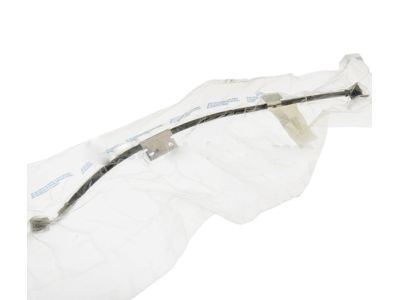
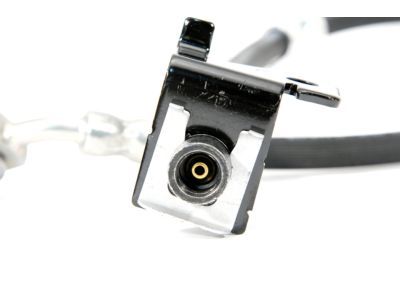
Cadillac Escalade ESV Flex Hose, Front Driver Side Part Number: 19366695
$41.40 MSRP: $77.27You Save: $35.87 (47%)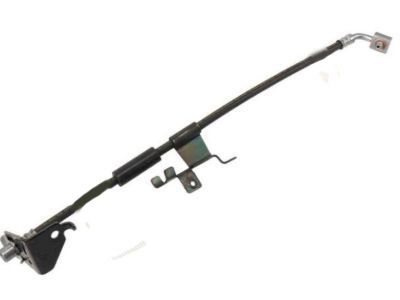
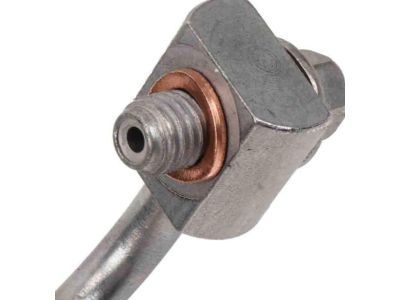
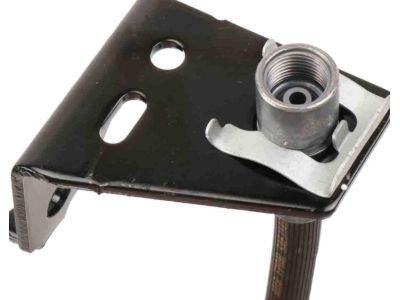
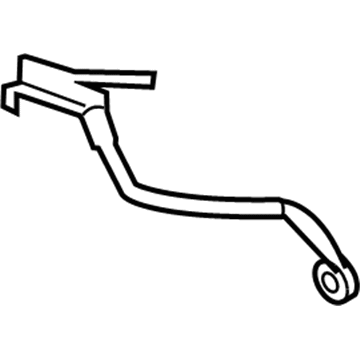
Cadillac Escalade ESV Flex Hose, Front Passenger Side Part Number: 84331228
$21.63 MSRP: $40.61You Save: $18.98 (47%)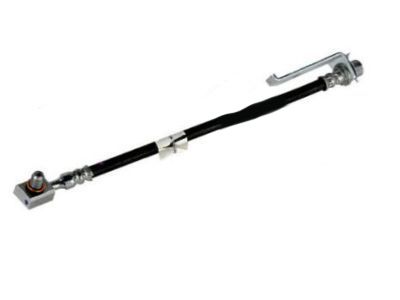
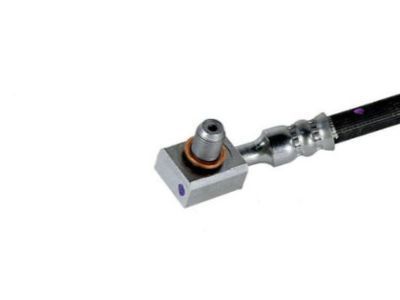
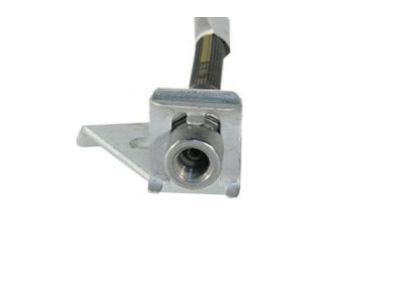
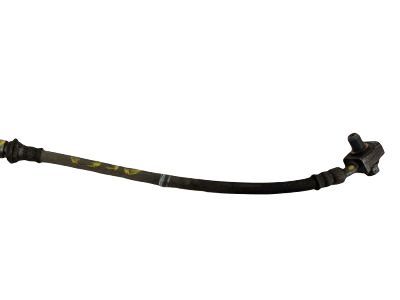
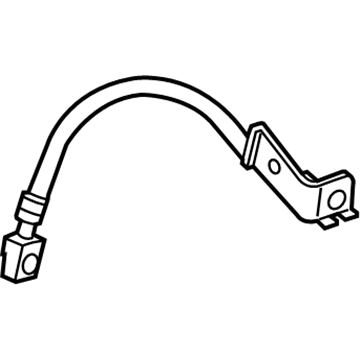
Cadillac Escalade ESV Flex Hose, Driver Side Part Number: 84331226
$39.06 MSRP: $76.46You Save: $37.40 (49%)Ships in 1-2 Business Days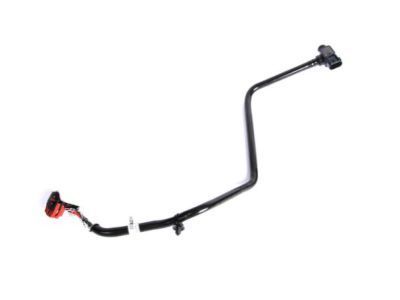
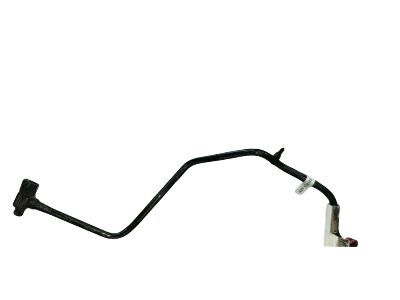
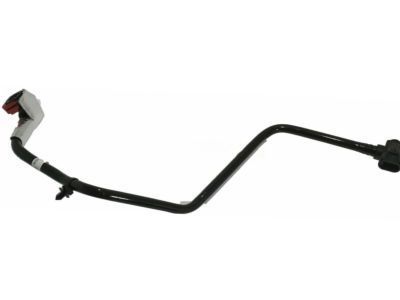
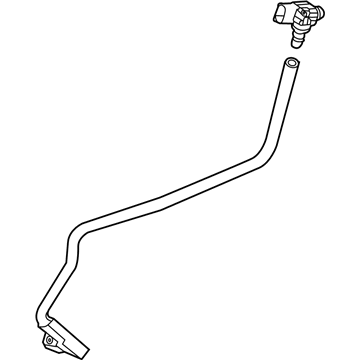
Cadillac Escalade ESV Vacuum Tube Part Number: 23135228
$54.05 MSRP: $104.25You Save: $50.20 (49%)Ships in 1-2 Business Days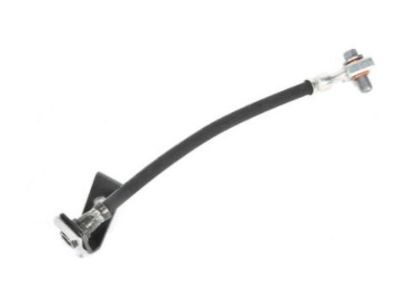
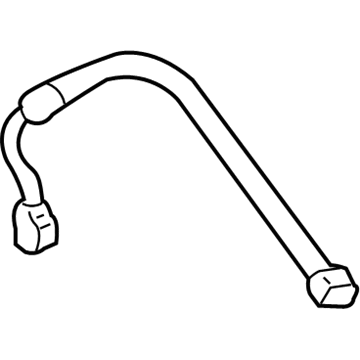
Cadillac Escalade ESV Flex Hose, Rear Driver Side Part Number: 19366704
$36.15 MSRP: $70.15You Save: $34.00 (49%)Ships in 1-2 Business Days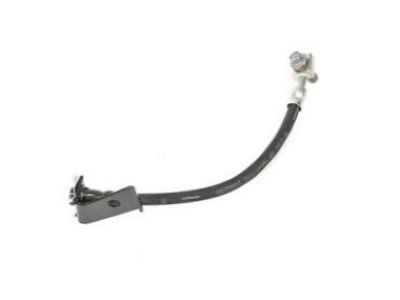
Cadillac Escalade ESV Flex Hose, Rear Part Number: 19366703
$38.84 MSRP: $76.03You Save: $37.19 (49%)Ships in 1-2 Business Days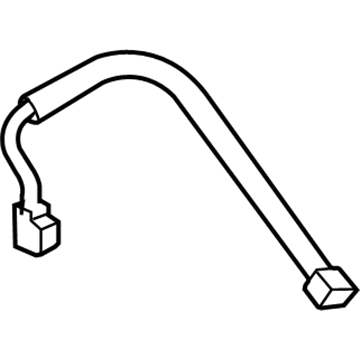
Cadillac Escalade ESV Flex Hose, Driver Side Part Number: 25906097
$62.83 MSRP: $123.01You Save: $60.18 (49%)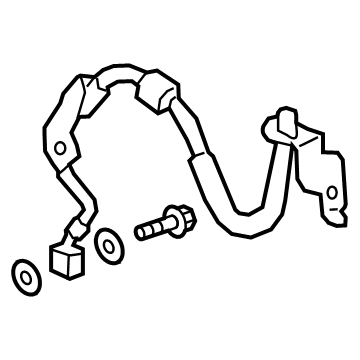
Cadillac Escalade ESV Flex Hose, Front Driver Side Part Number: 84956404
$32.45 MSRP: $57.93You Save: $25.48 (44%)Ships in 1-3 Business DaysCadillac Escalade ESV Flex Hose, Front Driver Side Part Number: 84331227
$21.20 MSRP: $39.81You Save: $18.61 (47%)
Cadillac Escalade ESV Flex Hose Part Number: 84331224
$36.69 MSRP: $71.83You Save: $35.14 (49%)Ships in 1-2 Business Days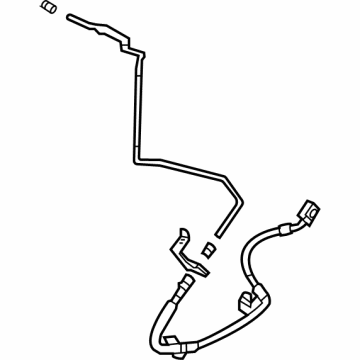
Cadillac Escalade ESV Flex Hose, Driver Side Part Number: 85542392
$71.27 MSRP: $127.27You Save: $56.00 (44%)Cadillac Escalade ESV Flex Hose, Passenger Side Part Number: 85542391
$42.38 MSRP: $75.68You Save: $33.30 (44%)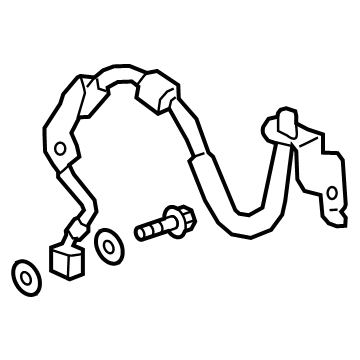
Cadillac Escalade ESV Flex Hose, Front Passenger Side Part Number: 84956405
$30.27 MSRP: $54.07You Save: $23.80 (45%)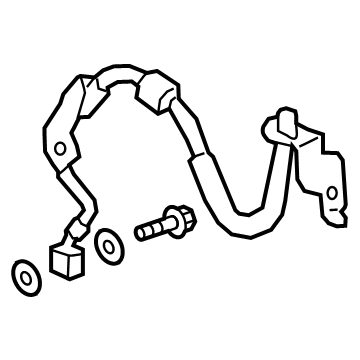
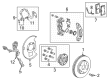
Cadillac Escalade ESV Flex Hose, Front Passenger Side Part Number: 84956403
$29.40 MSRP: $55.22You Save: $25.82 (47%)Ships in 1-3 Business DaysCadillac Escalade ESV Flex Hose, Front Driver Side Part Number: 84956401
$22.65 MSRP: $40.46You Save: $17.81 (45%)Ships in 1-3 Business DaysCadillac Escalade ESV Flex Hose, Passenger Side Part Number: 84331225
$34.06 MSRP: $63.97You Save: $29.91 (47%)Cadillac Escalade ESV Flex Hose, Passenger Side Part Number: 25906096
$70.44 MSRP: $137.91You Save: $67.47 (49%)
Cadillac Escalade ESV Brake Line
Want to cut long-term maintenance and repair costs? Choose OEM Brake Line. Those parts deliver top durability you can trust. On our site, you'll find a huge catalog of genuine Cadillac Escalade ESV parts. Prices are unbeatable, so you can keep more in your pocket. Every OEM Cadillac Escalade ESV Brake Line includes a manufacturer's warranty. You can also get an easy return policy that keeps buying risk free. Fast delivery, get your car on the road quickly. It's simple to search, compare, and order. Stop guessing about quality or fit. Order today and save with parts that last.
Cadillac Escalade ESV Brake Line Parts Questions & Experts Answers
- Q: How to replace the front brake line on Cadillac Escalade ESV?A:Perform the front brake hose replacement by raising the vehicle first and removing tire and wheel assembly. Clear off all foreign substances and dirt from both brake hose and pipe fitting ends after fitting rubber caps to protect the exposed pipe fitting from fluid loss and infiltration. A back up wrench should reach through the brake hose fitting end base to uncouple the brake pipe fitting end from the brake hose before capping the pipe end shut. First disconnect the brake hose retaining clip from the brake hose mounting bracket before removing the brake hose bracket bolt from the upper Control Arm and the Steering Knuckle and ending with the brake hose to caliper bolt from the brake caliper. Throw out the two stuck copper brake hose gaskets that were either attached to the brake caliper housing or the brake hose end. Install 2 new copper brake hose gaskets and the brake hose bolt to the brake hose before installing the brake hose to caliper bolt and 2 new washers to the brake caliper while torqueing the bolt to 40 nm (30 ft. Lbs.) without twisting or contacting any suspension components. Afterward, install the brake hose bracket bolt as well as the bracket to the Steering Knuckle and upper Control Arm while tightening both bolts to 9 nm (80 inch lbs.). Install the brake hose inside the brake hose bracket before placing the brake hose retaining clip in position. Begin by removing the rubber brake pipe fitting end's cap. Thread the brake pipe fitting end against the brake hose while you tighten the brake hose fitting end with a back up wrench to 25 nm (18 ft. Lbs.). Do not bend the mounting bracket or brake pipe during this process. Use the proper brake bleeding procedure and then install the tire/wheel assembly but maintain the brake hose free from any suspension or tire contacts while checking brake hose condition during hard right and left turns. Finally, lower the vehicle.
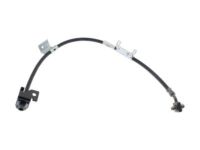
Related Cadillac Escalade ESV Parts
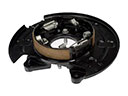 Cadillac Escalade ESV Brake Backing Plate
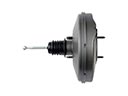 Cadillac Escalade ESV Brake Booster
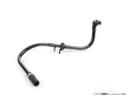 Cadillac Escalade ESV Brake Booster Vacuum Hose
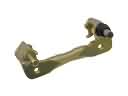 Cadillac Escalade ESV Brake Caliper Bracket
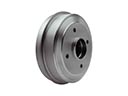 Cadillac Escalade ESV Brake Drum
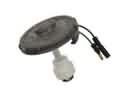 Cadillac Escalade ESV Brake Fluid Level Sensor
 Cadillac Escalade ESV Brake Master Cylinder
 Cadillac Escalade ESV Brake Pad
 Cadillac Escalade ESV Hydraulic Hose
 Cadillac Escalade ESV Parking Brake Shoe
 Cadillac Escalade ESV Wheel Hub Bolt
 Cadillac Escalade ESV Wheel Speed Sensor