ChevyParts
My Garage
My Account
Cart
OEM Chevrolet Silverado 1500 Brake Pad
Disc Brake Pad Set- Select Vehicle by Model
- Select Vehicle by VIN
Select Vehicle by Model
orMake
Model
Year
Select Vehicle by VIN
For the most accurate results, select vehicle by your VIN (Vehicle Identification Number).
17 Brake Pads found
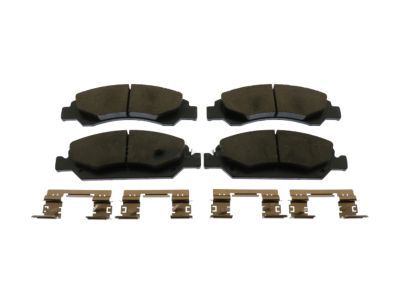
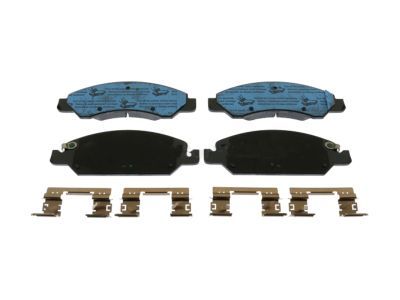
Chevrolet Silverado 1500 Brake Pads Part Number: 84320501
$102.16 MSRP: $214.06You Save: $111.90 (53%)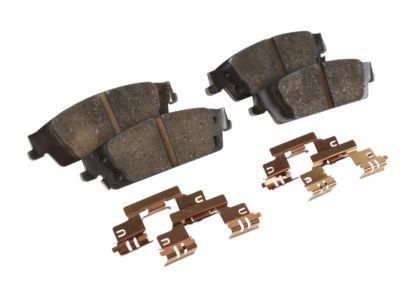
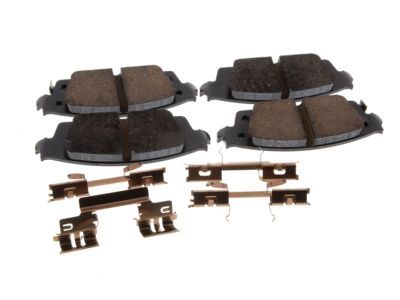
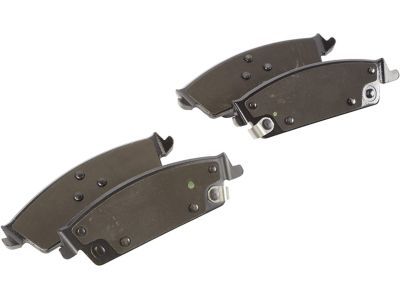
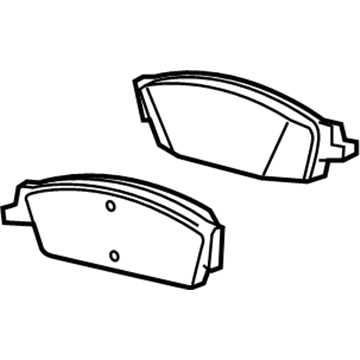
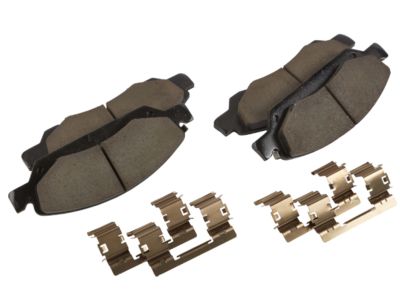
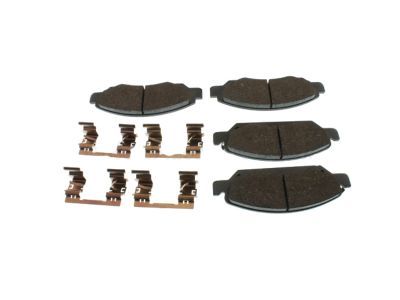
Chevrolet Silverado 1500 Brake Pads Part Number: 84176464
$86.00 MSRP: $178.61You Save: $92.61 (52%)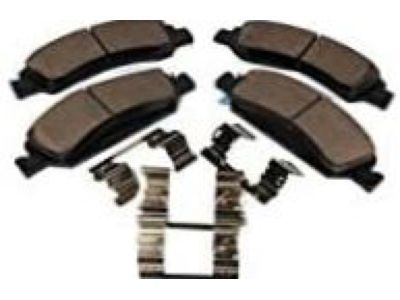
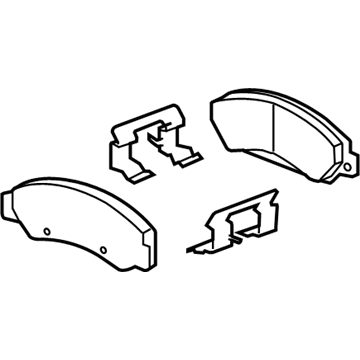
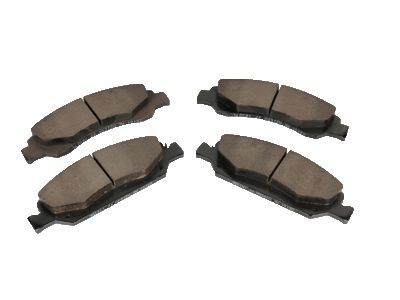
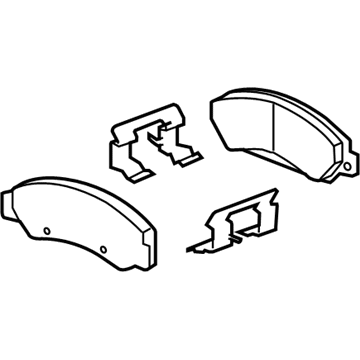
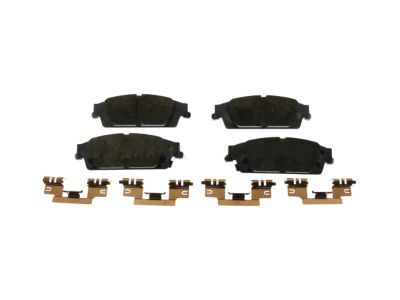
Chevrolet Silverado 1500 Brake Pads Part Number: 25910432
$126.02 MSRP: $244.58You Save: $118.56 (49%)Ships in 1-3 Business Days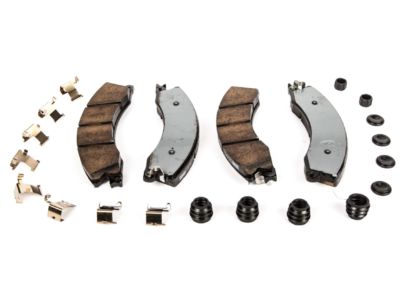
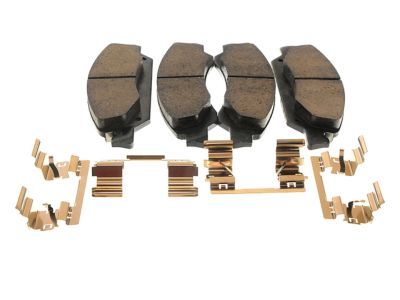
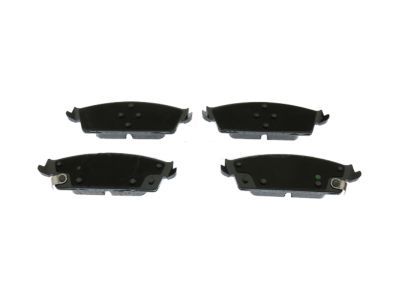
Chevrolet Silverado 1500 Rear Pads Part Number: 23270466
$99.24 MSRP: $199.54You Save: $100.30 (51%)Ships in 1-2 Business Days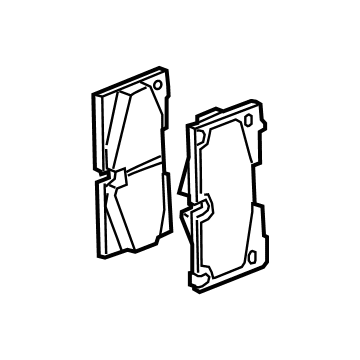
Chevrolet Silverado 1500 Brake Pads, Red Caliper Part Number: 84987498
$263.17 MSRP: $510.76You Save: $247.59 (49%)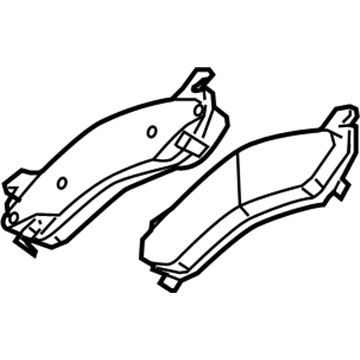
Chevrolet Silverado 1500 Brake Pads, Front Part Number: 19432941
$131.12 MSRP: $271.71You Save: $140.59 (52%)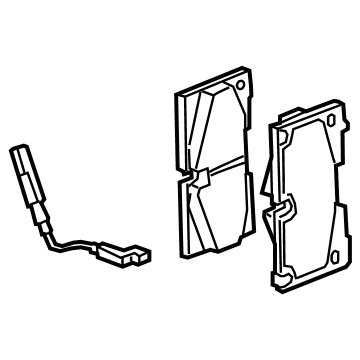
Chevrolet Silverado 1500 Brake Pads, Red Caliper Part Number: 85524066
$113.81 MSRP: $220.90You Save: $107.09 (49%)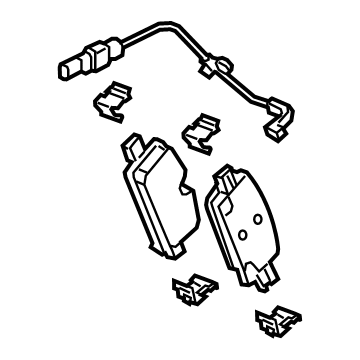
Chevrolet Silverado 1500 Brake Pads, Red Part Number: 85140320
$70.13 MSRP: $136.11You Save: $65.98 (49%)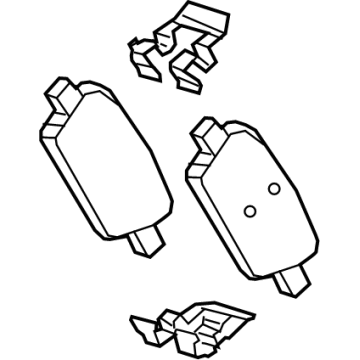
Chevrolet Silverado 1500 Brake Pads, Red Part Number: 84805877
$70.13 MSRP: $136.11You Save: $65.98 (49%)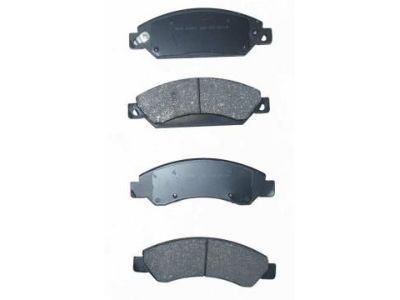
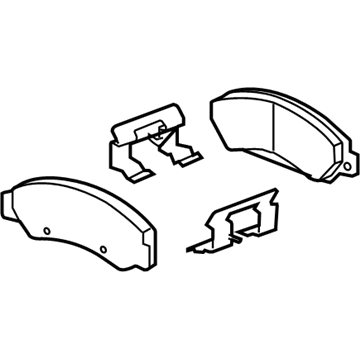
Chevrolet Silverado 1500 Brake Pads, Front Part Number: 25852957
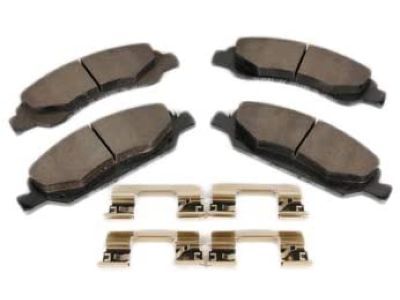
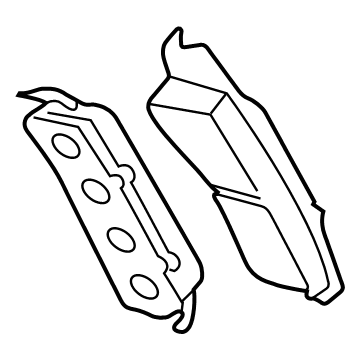
Chevrolet Silverado 1500 Brake Pads Part Number: 22742382
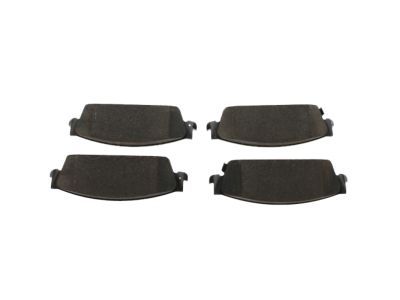
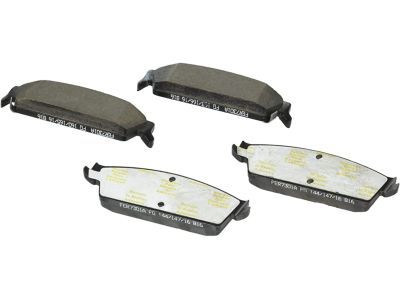
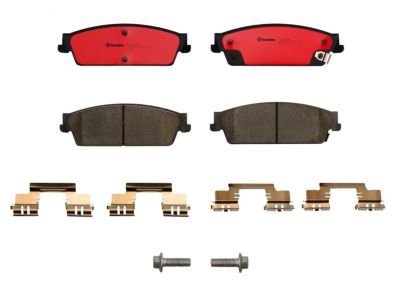
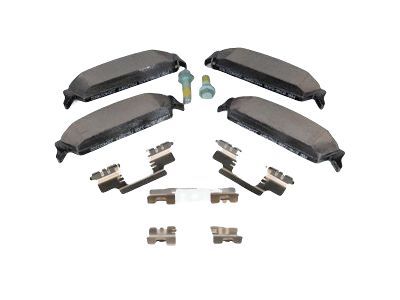
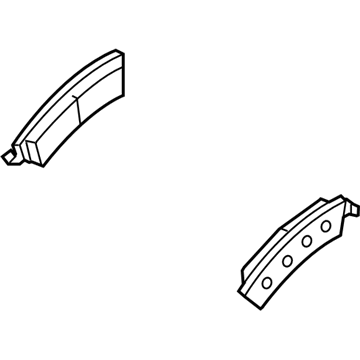
Chevrolet Silverado 1500 Brake Pads Part Number: 19329677
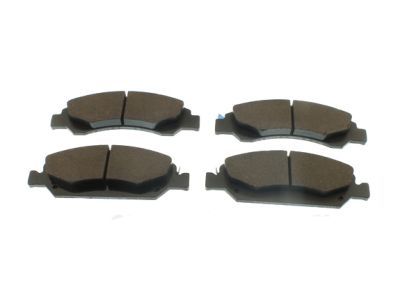
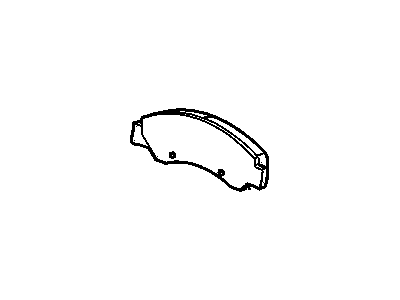
Chevrolet Silverado 1500 Front Pads Part Number: 19257667
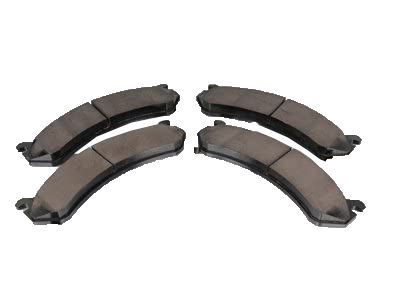
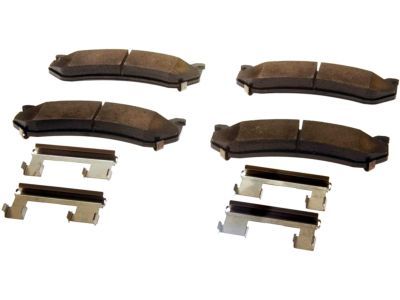
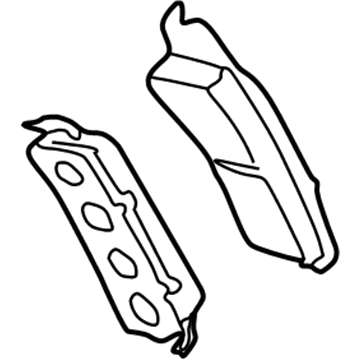
Chevrolet Silverado 1500 Brake Pads Part Number: 19210705
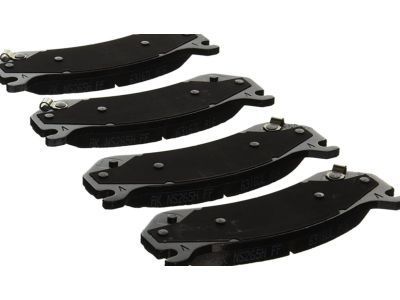
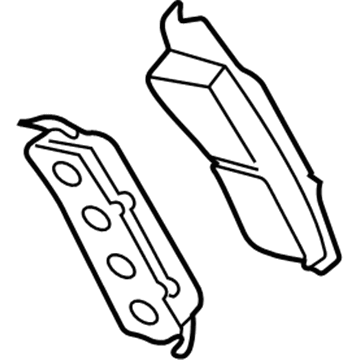
Chevrolet Silverado 1500 Brake Pads, Front Part Number: 18048101
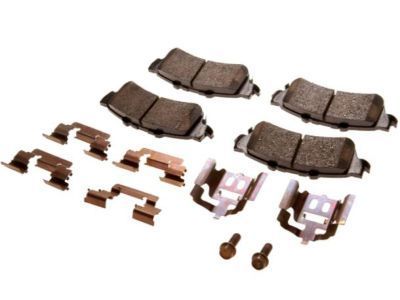
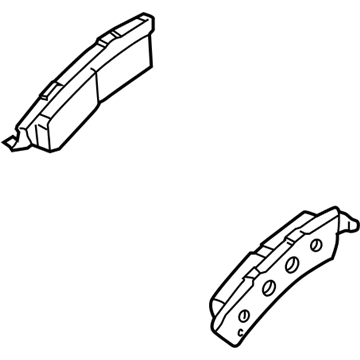
Chevrolet Silverado 1500 Brake Pads Part Number: 18043346
Chevrolet Silverado 1500 Brake Pads Part Number: 18048083
Chevrolet Silverado 1500 Brake Pad
Want to cut long-term maintenance and repair costs? Choose OEM Brake Pad. Those parts deliver top durability you can trust. On our site, you'll find a huge catalog of genuine Chevrolet Silverado 1500 parts. Prices are unbeatable, so you can keep more in your pocket. Every OEM Chevrolet Silverado 1500 Brake Pad includes a manufacturer's warranty. You can also get an easy return policy that keeps buying risk free. Fast delivery, get your car on the road quickly. It's simple to search, compare, and order. Stop guessing about quality or fit. Order today and save with parts that last.
Chevrolet Silverado 1500 Brake Pad Parts Questions & Experts Answers
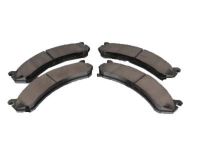
- Q: How to replace the rear brake pads on Chevrolet Silverado 1500?A:To replace the rear brake pads, first determine how much the fluid level is in the brake master cylinder reservoir. If it is half way between the max and min no need to remove any fluid but if it is above mid remove fluid til it is at midway. Then, take off the tyre and wheel assembly and compress Brake Caliper Piston with a large c-clamp over the top of the caliper housing against the back of the outboard pad, fully pressing down until the pistons are compressed back into caliper bores, remove the c-clamp. Unbolt the brake caliper bolts and remove the brake caliper from Brake Caliper Bracket and suspend it using heavy mechanic's wire keeping the hydraulic brake flexible hose connected. Remove the brake pads and Brake Pad retainers and then examine the caliper and caliper bracket. For installation use a c-clamp to bottom the piston into caliper bore, using old Brake Pad or wooden block to protect the piston and caliper boot. Use a small flat-bladed tool to lift the inner edge of caliper boot to release any trapped air, so that the boot will be below the piston face. Mount the Brake Pad retainers on the caliper bracket with the wear sensor directed at the leading edge of the inner pad when the car travels in the forward direction and then mount the brake pads and the caliper on to the caliper bracket. Replace new brake caliper bolts and tighten them to 108 nm (80 ft. Lbs.), and then replace the tire and wheel assembly. You should do everything with the engine off by gradually applying the brake pedal to around 2/3 of travel distance, releasing it slowly, and repeating the process until a firm pedal is achieved in order to ensure that the caliper pistons and pads are seated to their required dimensions. Lastly, top off the master cylinder reservoir if needed, with clean break fluid, and burnish the pads and the rotors.
Related Chevrolet Silverado 1500 Parts
 Chevrolet Silverado 1500 ABS Sensor
 Chevrolet Silverado 1500 Brake Backing Plate
 Chevrolet Silverado 1500 Brake Booster
 Chevrolet Silverado 1500 Brake Caliper Piston
 Chevrolet Silverado 1500 Brake Caliper Repair Kit
 Chevrolet Silverado 1500 Brake Calipers
 Chevrolet Silverado 1500 Brake Disc
 Chevrolet Silverado 1500 Brake Drum
 Chevrolet Silverado 1500 Brake Line
 Chevrolet Silverado 1500 Hydraulic Hose
 Chevrolet Silverado 1500 Parking Brake Cable
 Chevrolet Silverado 1500 Wheel Hub Bolt