ChevyParts
My Garage
My Account
Cart
OEM Buick Regal Crankshaft Seal
- Select Vehicle by Model
- Select Vehicle by VIN
Select Vehicle by Model
orMake
Model
Year
Select Vehicle by VIN
For the most accurate results, select vehicle by your VIN (Vehicle Identification Number).
9 Crankshaft Seals found
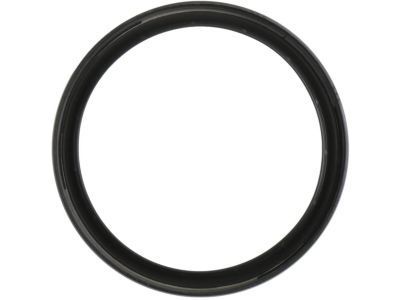
Buick Regal Rear Main Seal, Green Line Part Number: 12591866
$22.96 MSRP: $39.10You Save: $16.14 (42%)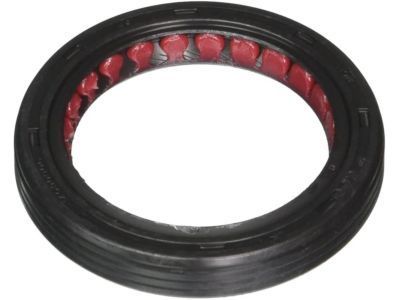
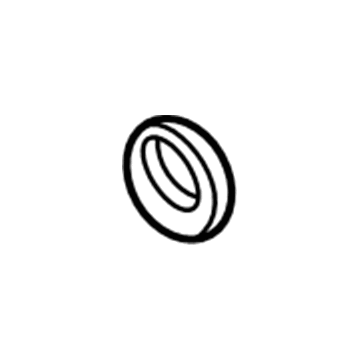
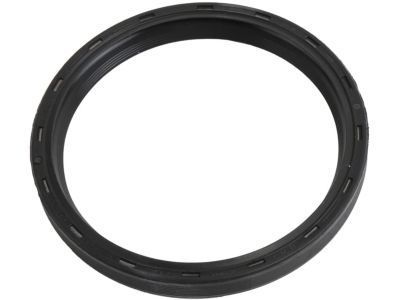
Buick Regal Rear Main Seal, Front Part Number: 14090906
$21.53 MSRP: $35.47You Save: $13.94 (40%)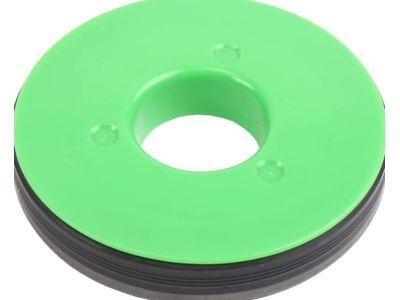
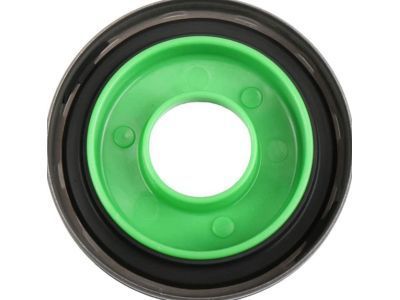
Buick Regal Crankshaft Seal, Front Part Number: 12626923
$19.87 MSRP: $32.73You Save: $12.86 (40%)Ships in 1-2 Business Days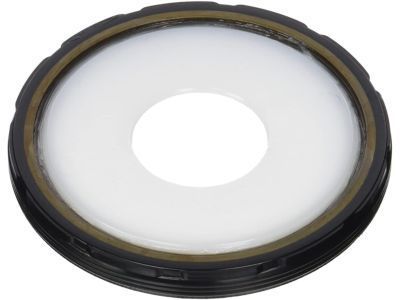
Buick Regal Rear Main Seal Part Number: 12592195
$45.01 MSRP: $76.64You Save: $31.63 (42%)Ships in 1-2 Business Days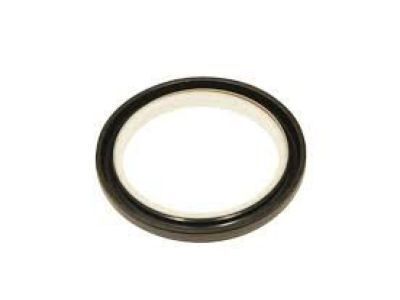
Buick Regal Rear Main Seal Part Number: 12582320
$24.58 MSRP: $40.49You Save: $15.91 (40%)Ships in 1-2 Business Days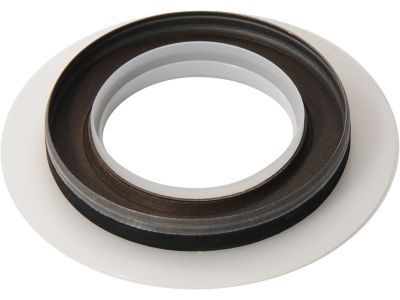
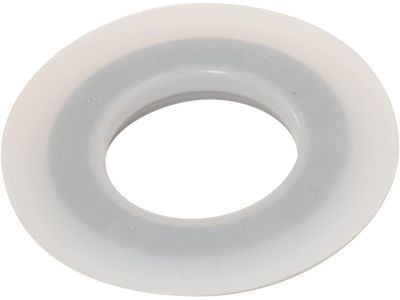
Buick Regal Crankshaft Seal, Front Part Number: 12582313
$14.72 MSRP: $24.24You Save: $9.52 (40%)Ships in 1-3 Business Days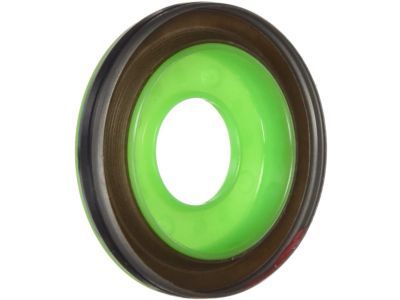
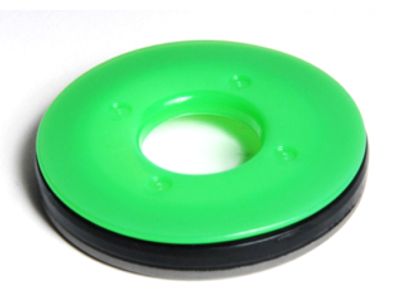
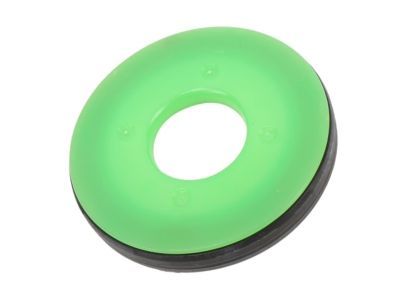
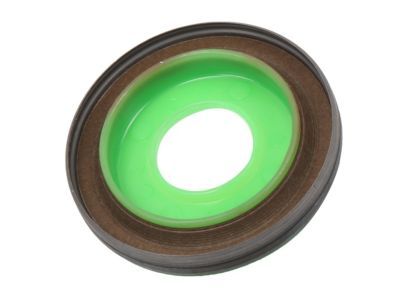
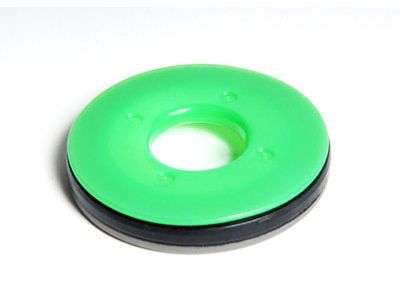
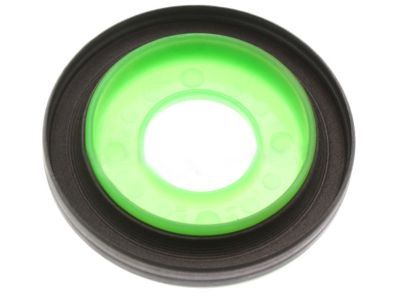
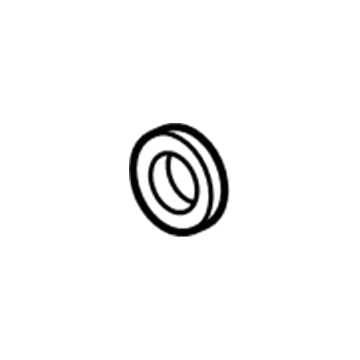
Buick Regal Oil Seal, Green Line, Front Part Number: 12584041
$9.13 MSRP: $15.04You Save: $5.91 (40%)Ships in 1-3 Business Days
Buick Regal Rear Main Seal Part Number: 24500058
$13.11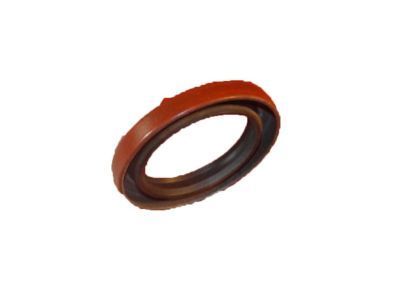
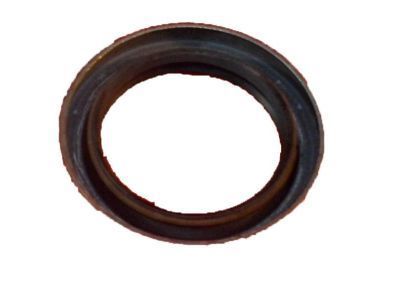
Buick Regal Oil Seal Part Number: 552711
Buick Regal Crankshaft Seal
Want to cut long-term maintenance and repair costs? Choose OEM Crankshaft Seal. Those parts deliver top durability you can trust. On our site, you'll find a huge catalog of genuine Buick Regal parts. Prices are unbeatable, so you can keep more in your pocket. Every OEM Buick Regal Crankshaft Seal includes a manufacturer's warranty. You can also get an easy return policy that keeps buying risk free. Fast delivery, get your car on the road quickly. It's simple to search, compare, and order. Stop guessing about quality or fit. Order today and save with parts that last.
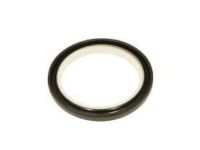
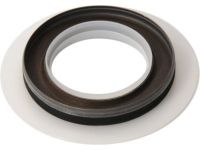
Buick Regal cars' Crankshaft Seal is another important part situated within the front of the car at the engine part. Usually an aluminium rubber product it is circumferential in shape and it is always attached to the crankcase in order to minimize the chances of oil spillage. The Crankshaft Seal keeps every part of the engine protected and minimizes friction resulting in wear and tear of critical components of the engine. If there are such indications as high or unknown number of runs oracus oil leakage, then it is necessary to change the Crankshaft Seal in order to ensure the normal functioning of the engine.
Buick Regal Crankshaft Seal Parts and Q&A
- Q: How to replace the rear crankshaft seal and housing on Buick Regal?A:Start by jacking up the vehicle and putting it on supports. Next, drain both the cooling system and engine oil to minimize cleanup. Next, take out the engine Flywheel and Oil Pan, removing the Crankshaft rear oil seal housing bolts and then the housing. Make sure not to scratch or mark the Crankshaft as you lift the housing off. Take out the old Crankshaft rear oil seal and gaskets from the housing and the cylinder block, checking and repairing or replacing the Crankshaft bore and outside diameter surfaces if they exhibit any defects. Use a gasket scraper to remove the old gasket, then place a new gasket on the bolts before mating the housing and the cylinder block. Align the housing carefully before securing it and don't forget to tighten the bolts just enough for initial installation. Coat the (J 41349) gripping ring on both sides with a small amount of oil and then slide it over the Crankshaft, turning as you go. Measure the step height at both sides of the housing and adjust it if necessary until each side's maximum step is less than 0.004 inch or 0.1016 mm. Replacement of the housing may be necessary if correcting its position is beyond the allowable range. Tighten the housing bolts to 15 nm (11 ft. Lbs.) and then rotate them an extra 50 degrees with the (J 36660-A) tool. Remove the plug and determine if the step height is within specifications. If the alignment needs adjustment, follow the earlier steps once more. After completing all the other steps, replace the new Crankshaft rear oil seal, Oil Pan and engine Flywheel. Then lower the vehicle to the ground, refill the engine cooling system and crankcase with engine oil and check for leaks.
- Q: How to replace the front crankshaft seal on Buick Regal?A:Begin the crankshaft front oil seal replacement by removing the crankshaft balancer while protecting the crankshaft from any harm. Using a flat bladed tool such as a large screwdriver replace the crankshaft front oil seal while protecting the crankshaft front oil seal bore and all contact surfaces. Scrutinize both the crankshaft balancer and the engine front cover for any detected scratches. The new crankshaft front oil seal installation requires the Seal Installer (J 35354-A) which properly seats the seal through torque bolt tightening in the engine front cover. Reinstall the crankshaft balancer and check for leaks before completing the CKP system variation learn procedure after removing the Seal Installer (J 35354-A).
Related Buick Regal Parts
 Buick Regal Balance Shaft Gear
 Buick Regal Camshaft Seal
 Buick Regal Coolant Filter
 Buick Regal Crankshaft Gear
 Buick Regal Dipstick Tube
 Buick Regal Intake Valve
 Buick Regal Oil Filler Cap
 Buick Regal Oil Pan
 Buick Regal Piston
 Buick Regal Pushrod
 Buick Regal Timing Cover
 Buick Regal Timing Cover Gasket