ChevyParts
My Garage
My Account
Cart
OEM Chevrolet Classic Brake Line
Brake Hose- Select Vehicle by Model
- Select Vehicle by VIN
Select Vehicle by Model
orMake
Model
Year
Select Vehicle by VIN
For the most accurate results, select vehicle by your VIN (Vehicle Identification Number).
3 Brake Lines found
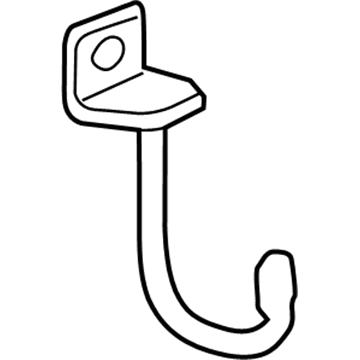
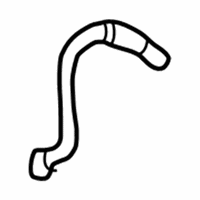
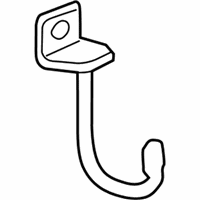
Chevrolet Classic Flex Hose, Rear Driver Side Part Number: 22164521
Chevrolet Classic Flex Hose, Rear Passenger Side Part Number: 22164520
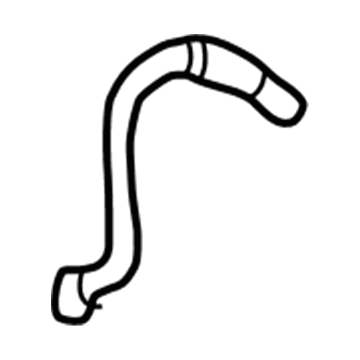
Chevrolet Classic Flex Hose, Front Part Number: 19366738
Chevrolet Classic Brake Line
Want to cut long-term maintenance and repair costs? Choose OEM Brake Line. Those parts deliver top durability you can trust. On our site, you'll find a huge catalog of genuine Chevrolet Classic parts. Prices are unbeatable, so you can keep more in your pocket. Every OEM Chevrolet Classic Brake Line includes a manufacturer's warranty. You can also get an easy return policy that keeps buying risk free. Fast delivery, get your car on the road quickly. It's simple to search, compare, and order. Stop guessing about quality or fit. Order today and save with parts that last.
Chevrolet Classic Brake Line Parts and Q&A
- Q: How to replace the front brake line on Chevrolet Classic?A:To replace the front brake hose lift and support the vehicle, remove front wheel and tire assembly. Clean all dirt and alien material from the brake hoses and brake pipe fittings. Install a rubber cap or plug on the exposed hole of the brake pipe fitting, so as to prevent the loss and contamination of the brake fluid, and afterwards remove the front brake pipe fitting and cap the end. Take off the brake hose retaining clip from the front brake hose mounting bracket and remove the brake hose out of the bracket. Then, take out the front brake hose banjo bolt from the brake caliper and disconnect the brake hose from the caliper discarding the 2 copper brake hose gaskets that might stick to the brake caliper or hose end. Preparing the car for installation use the new copper brake hose gaskets with the front brake hose banjo bolt and the brake hose and attach this complete assembly to the caliper and tighten up the banjo bolt to 50 nm (37 ft. Lbs). Pull out the rubber cap or plug from the brake pipe fitting end, insert brake hose in the mounting bracket, and attach the retaining clip. Connect the front brake pipe to the front brake hose and tighten the fitting to 23 nm (17 ft. Lbs.). Note. Bleed the hydraulic brake system, replace with the front wheel and tire assembly, and with a visual examination of the hose not to touch other components of its suspension; check on the extreme right and left turn conditions. If there is the contact, remove the hose and fix the condition prior to lower the vehicle.
- Q: How to replace the rear brake line on Chevrolet Classic?A:To change the rear brake hose, lift and support the vehicle, remove the rear wheel and tire assembly. Remove any dirt and foreign material from the brake hoses and fittings and install a rubber cap or plug on the exposed brake pipe fitting end to prevent the brake fluid loss and contamination. Prise the rear brake pipe from the brake hose and cap end of the brake pipe. Then, remove the retainer clip of the brake hose and pull out the brake hose from the bracket . Pop-off the rear brake hose bracket retaining bolt from the rear brake hose bracket and unscrew the rear brake hose banjo bolt from the rear brake hose and Wheel Cylinder and discard the 2 copper brake hose gaskets before disturbing the brake hose from the vehicle. For installation, use the 2 copper brake hose gaskets and the rear brake hose banjo bolt to the brake hose, installing the banjo bolt with gaskets to the wheel cyinder, tightening it to 50 nanometers (37 f-ibbs). Then attach the rear brake hose bracket retaining bolt to the rear brake hose bracket, with a torque of 25 nm (18 ft. Lbs), and attach the brake hose to the bracket, and add back the retainer clip to the brake hose. To expose the other end of the brake hose to ensure that it can be connected to the rear brake pipe, one must remove the rubber cap or plug found at the exposed brake pipe end. Finally let it be connected to the rear brake pipe and tighten it up and down using a special tool and after that only fit the fancy on it which is also known as tightening that is 23 nm (17 ft. Lbs.) you are supposed to do this. Finally, bleed the brake hydraulic system, reinstall the rear wheel and tire assembly, visually inspect that the hose did not contact any part of the suspension, and if necessary, dressed any contact before lowering the vehicle.
Related Chevrolet Classic Parts
 Chevrolet Classic Brake Backing Plate
 Chevrolet Classic Brake Caliper Repair Kit
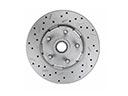 Chevrolet Classic Brake Disc
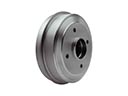 Chevrolet Classic Brake Drum
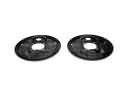 Chevrolet Classic Brake Dust Shields
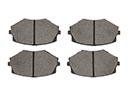 Chevrolet Classic Brake Pad
 Chevrolet Classic Brake Shoe
 Chevrolet Classic Hydraulic Hose
 Chevrolet Classic Parking Brake Shoe
 Chevrolet Classic Wheel Bearing
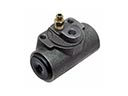 Chevrolet Classic Wheel Cylinder
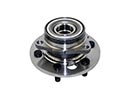 Chevrolet Classic Wheel Hub