ChevyParts
My Garage
My Account
Cart
OEM Chevrolet Express 2500 Brake Line
Brake Hose- Select Vehicle by Model
- Select Vehicle by VIN
Select Vehicle by Model
orMake
Model
Year
Select Vehicle by VIN
For the most accurate results, select vehicle by your VIN (Vehicle Identification Number).
12 Brake Lines found
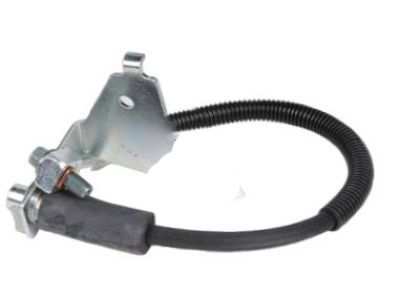
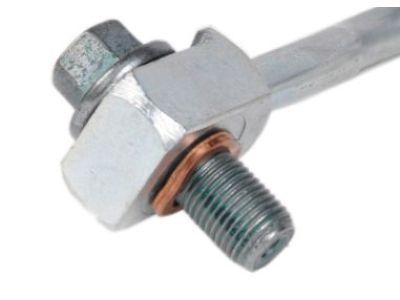
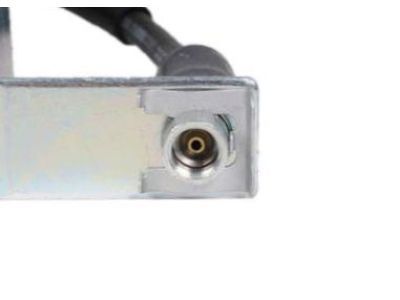
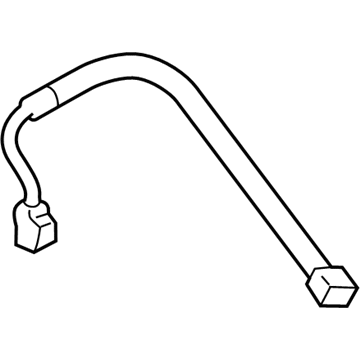
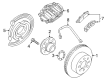
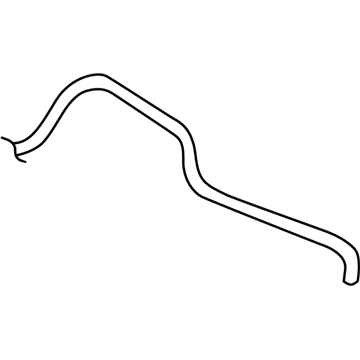
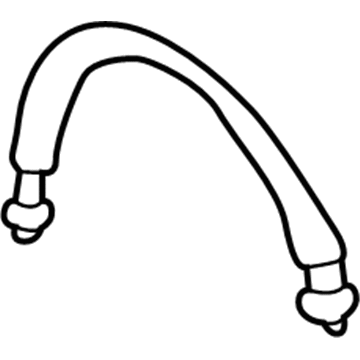
Chevrolet Express 2500 Flex Hose, Passenger Side Part Number: 84286062
$20.48 MSRP: $38.44You Save: $17.96 (47%)Ships in 1-2 Business Days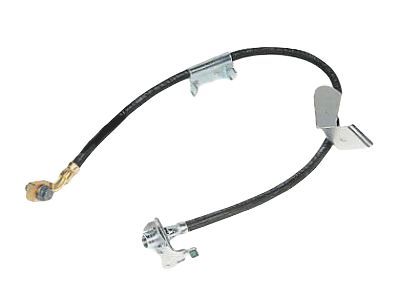
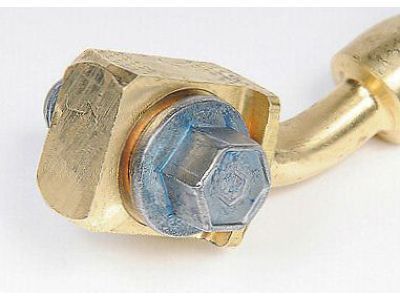
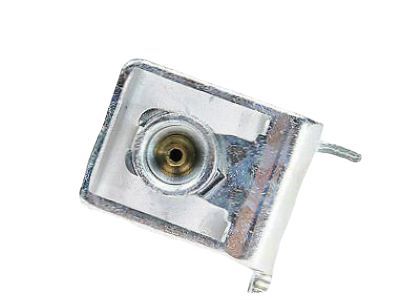
Chevrolet Express 2500 Flex Hose, Front Passenger Side Part Number: 84286064
$23.93 MSRP: $43.33You Save: $19.40 (45%)Ships in 1-2 Business Days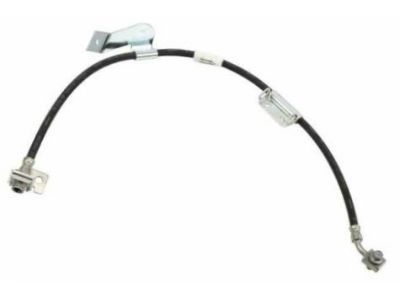
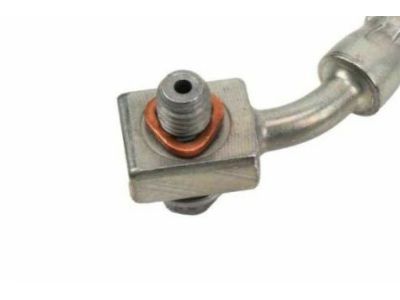
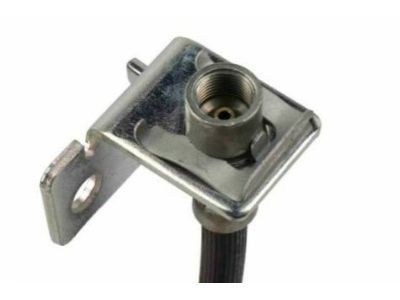
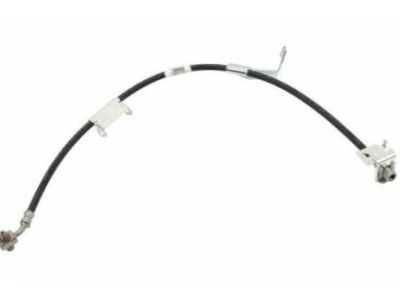
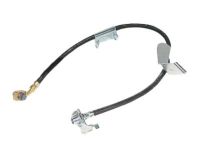
Chevrolet Express 2500 Flex Hose, Front Driver Side Part Number: 84286063
$20.86 MSRP: $37.77You Save: $16.91 (45%)Ships in 1-2 Business DaysChevrolet Express 2500 Flex Hose, Driver Side Part Number: 84859048
$22.53 MSRP: $40.25You Save: $17.72 (45%)Ships in 1 Business Day
Chevrolet Express 2500 Flex Hose, Front Driver Side Part Number: 19366788
$46.85 MSRP: $87.99You Save: $41.14 (47%)Ships in 1-2 Business DaysChevrolet Express 2500 Flex Hose, Front Passenger Side Part Number: 19366787
$49.89 MSRP: $90.31You Save: $40.42 (45%)Ships in 1-2 Business DaysChevrolet Express 2500 Flex Hose, Rear Driver Side Part Number: 19366777
$73.88 MSRP: $144.65You Save: $70.77 (49%)Ships in 1-2 Business Days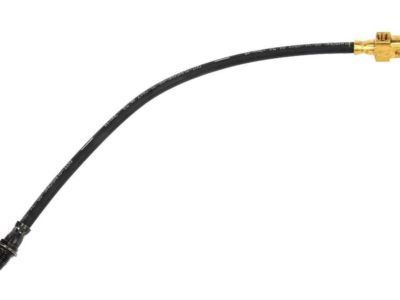
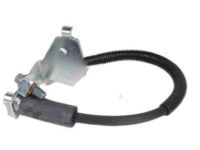
Chevrolet Express 2500 Flex Hose, Rear Part Number: 19366771
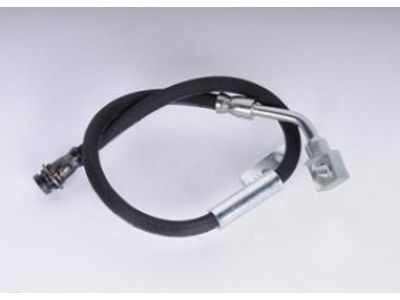
Chevrolet Express 2500 Brake Line
Want to cut long-term maintenance and repair costs? Choose OEM Brake Line. Those parts deliver top durability you can trust. On our site, you'll find a huge catalog of genuine Chevrolet Express 2500 parts. Prices are unbeatable, so you can keep more in your pocket. Every OEM Chevrolet Express 2500 Brake Line includes a manufacturer's warranty. You can also get an easy return policy that keeps buying risk free. Fast delivery, get your car on the road quickly. It's simple to search, compare, and order. Stop guessing about quality or fit. Order today and save with parts that last.
Chevrolet Express 2500 Brake Line Parts and Q&A
- Q: How to Service and Repair Brake Lines Using the J 45405 Brake Line Flaring Kit on Chevrolet Express 2500?A:Use the J 45405 Brake Pipe Flaring Kit (J 45405) and observe brake fluid safety steps before working with double-walled steel brake pipes. Start by observing the brake pipe area you need to replace and remove it from its retainers if needed. When sectioning the brake pipe choose a good spot that stays away from bends and mounting points before measuring the repair part plus flare extensions based on tube size. Use the pipe cutter included in J 45405 to make a straight cut through the brake pipe. Choose the correct brake pipe size and tube nut sets then use the J 45405 to remove nylon coating from the flare section and chamfer both inside and outside pipe ends with deburring tool. Fit the tube nuts after clearing both the J 45405 and brake pipe of dirt then set the dies by placing the proper die set inside the die cage for forming. Press the clamping screw until it reaches full strength then push the tube end into the dies for a good placement. Insert the pipe end into the forming mandrel and finishing cone to make the flare shape and check if it meets the correct dimensions. Use the brake pipe bending tool to work on the new pipe when needed while keeping 19 mm (3/4 in) space from all moving parts. Mount the pipe by placing its unions into place first then secure them to the retainer while performing a hydraulic brake bleed test alongside another person.
- Q: How to replace the front brake line on Chevrolet Express 2500?A:The replacement process of front brake hoses begins with vehicle elevation and tire-wheel removal. Clean all dirt and foreign material from the brake hose end and brake pipe fitting then install a rubber cap or plug on the exposed brake pipe fitting end to stop brake fluid loss and contamination. A back up wrench will disconnect the brake pipe fitting from the brake hose while you cap or plug the exposed pipe end. First disconnect the brake hose retaining clip from the brake hose mounting bracket then undo the brake hose bracket bolt from the upper Control Arm and the Steering Knuckle. The brake caliper requires the brake hose to caliper bolt removal along with disposal of the 2 copper brake hose gaskets. During installation fitting position 2 new copper brake hose gaskets and the brake hose bolt together then install the brake hose to caliper bolt beside 2 new washers to the brake caliper before tightening the bolt to 44 n.m (32 lb ft) while making sure the brake hose remains free from suspension contact and untwisted motion. Fasten the brake hose bracket bolt and the bracket onto the Steering Knuckle and upper Control Arm while torquing both fasteners to 10 n.m (88 lb in). The brake hose should go into the brake hose bracket followed by installation of the brake hose retaining clip. After removing the brake pipe fitting end rubber cap or plug, connect it to the brake hose using a back up wrench on the brake hose fitting end while avoiding any bending of the mounting bracket or brake pipe. Secure the brake pipe fitting end with torque set to 25 n.m (18 lb ft). After bleeding the hydraulic brakes install the tire but maintain clearance between the brake hose and suspension parts and tire components while checking brake hose integrity during high-steering maneuvers. Finally, lower the vehicle.
Related Chevrolet Express 2500 Parts
 Chevrolet Express 2500 Brake Caliper Repair Kit
 Chevrolet Express 2500 Brake Calipers
 Chevrolet Express 2500 Brake Disc
 Chevrolet Express 2500 Brake Drum
 Chevrolet Express 2500 Brake Dust Shields
 Chevrolet Express 2500 Brake Pad
 Chevrolet Express 2500 Hydraulic Hose
 Chevrolet Express 2500 Parking Brake Shoe
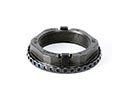 Chevrolet Express 2500 Spindle Nut
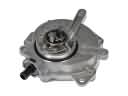 Chevrolet Express 2500 Vacuum Pump
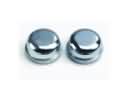 Chevrolet Express 2500 Wheel Bearing Dust Cap
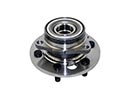 Chevrolet Express 2500 Wheel Hub